November 8, 2026
A well pump is crucial for providing your household with a consistent and reliable water supply. When it starts to fail, the consequences can range from minor inconveniences to severe issues that can affect your home's infrastructure and your family's quality of life. In many cases, scheduling a timely well pump install is necessary to prevent complete system failure. In this article, we will explore six major ways a failing well pump can impact your home. By understanding these implications, you can be better prepared to take preventive measures, book a well pump install when needed, and maintain the overall integrity of your water system.
1. Reduced Water Pressure
A failing well pump often results in reduced water pressure, which can have a significant impact on daily household activities. Without adequate water pressure, simple tasks like showering and washing dishes become challenging and time-consuming. When pressure drops drastically, homeowners might need to consult a professional for a new well pump install to restore functionality. The inconvenience is amplified in households with multiple occupants trying to use water simultaneously, leading to frustration and disruption of routine. Additionally, low water pressure can impair the performance of water-dependent appliances, exacerbating the inefficiency and time consumption of these devices. Overall, the lack of sufficient pressure translates to a degraded quality of life due to increased time and effort required for everyday chores.
The ramifications of low water pressure extend beyond mere inconvenience, as home appliances can also suffer. Devices like dishwashers and washing machines rely on consistent and robust water pressure to function optimally. When the pressure diminishes, these appliances may not clean effectively, requiring repeated cycles or manual intervention, which leads to additional water usage. Moreover, electric water heaters may become less efficient, as they take longer to heat water to the desired temperature under low pressure conditions. This inefficiency isn't just inconvenient—it's costly, leading to increased energy consumption and, consequently, higher utility bills that could be avoided with a modern well pump install.
Reduced water pressure can also strain your home's plumbing system significantly. Fluctuating or consistently low water pressure can introduce air pockets into the plumbing, causing noises, leaks, or even pipe bursts. The system's components can wear out more rapidly due to the added strain, potentially resulting in costly repairs or replacements. Over time, this can lead to an unplanned and extensive need for plumbing maintenance, further burdening your household budget. Additionally, inconsistent water supply due to pressure variations can cause interruptions that lead to the degradation of household routines and increased stress among family members.
2. Increased Water Bills
A failing well pump can lead to skyrocketing water bills, as the pump may run continuously trying to meet the pressure demands of the household. This constant operation not only drains energy but also puts excessive wear and tear on the pump, shortening its lifespan. According to HomeGuide, well pumps typically need replacement every eight to 15 years, but failures and frequent operations can lead to premature replacements. If you are experiencing endless running cycles, scheduling a well pump install can quickly resolve the energy waste. Persistently high electricity usage due to the pump's continuous operation will reflect significantly on monthly bills, escalating the cost of running your home. In essence, what starts as a mechanical issue quickly turns into a financial burden.
Water leaks are another unfortunate consequence of a malfunctioning pump, further driving up water bills. Leaks often occur because of irregular pressure, forcing water through compromised or weak points in the plumbing system. As water leaks or drips continuously, wastage can accumulate to significant levels, drastically increasing water expenses. Identifying and repairing these leaks can be challenging, often requiring professional intervention to prevent further damage. This could mean unexpected repair costs on top of already heightened utility expenses, simultaneously straining your finances and making budgeting more difficult.
The inefficiency of a failing pump can lead to improper water distribution, increasing household consumption levels unnecessarily. This inefficient distribution means that more water is used to accomplish water tasks than would be needed under optimal conditions. Additionally, to accommodate deficiencies in water supply or quality, households might purchase additional sources of water, such as bottled or bulk water. This further adds to household expenses, making water management a central concern for homeowners. Furthermore, delaying a necessary well pump install can cause hidden costs that continuously strain household finances over time.
3. Contamination Risks
Contamination of household water is a severe risk associated with failing well pumps. A malfunctioning pump can result in backflow within the water system, bringing contaminants upstream into your domestic water supply. If contaminants backflow into the system, they can pose a health hazard, making water unsafe for drinking, cooking, or bathing. This risk is especially prevalent in regions where waterborne bacteria and impurities are common in the environment. In severe contamination scenarios, a fresh well pump install alongside proper sanitation is the safest way forward to protect your household.
Sediment accumulation is another unwelcome byproduct of a failing pump. A failing pump may inefficiently draw water, causing sediment build-up that affects water clarity, taste, and safety. Over time, the sediment can accumulate in the water storage tank and household plumbing, further degrading water quality. Residents may notice a change in the appearance or flavor of their tap water, indicating the contamination issue. Consequently, homeowners often need to resort to filtration systems or require a complete well pump install to ensure the water remains potable and safe for use.
4. Damage to the Well Infrastructure
The well infrastructure is at significant risk from a failing well pump, particularly from issues like overheating. As the pump strives to maintain consistent pressure, it may run hotter, eventually overheating and causing severe damage or complete burnout. This impacts the operational efficacy of the pump, increasing both mechanical failure frequency and associated repair costs. The premature degradation of a pump can shorten its operational lifespan, deviating significantly from the typical 8 to 15-year replacement cycle advised by HomeGuide. Consequently, needing an urgent well pump install due to a total burnout can create sudden financial burdens.
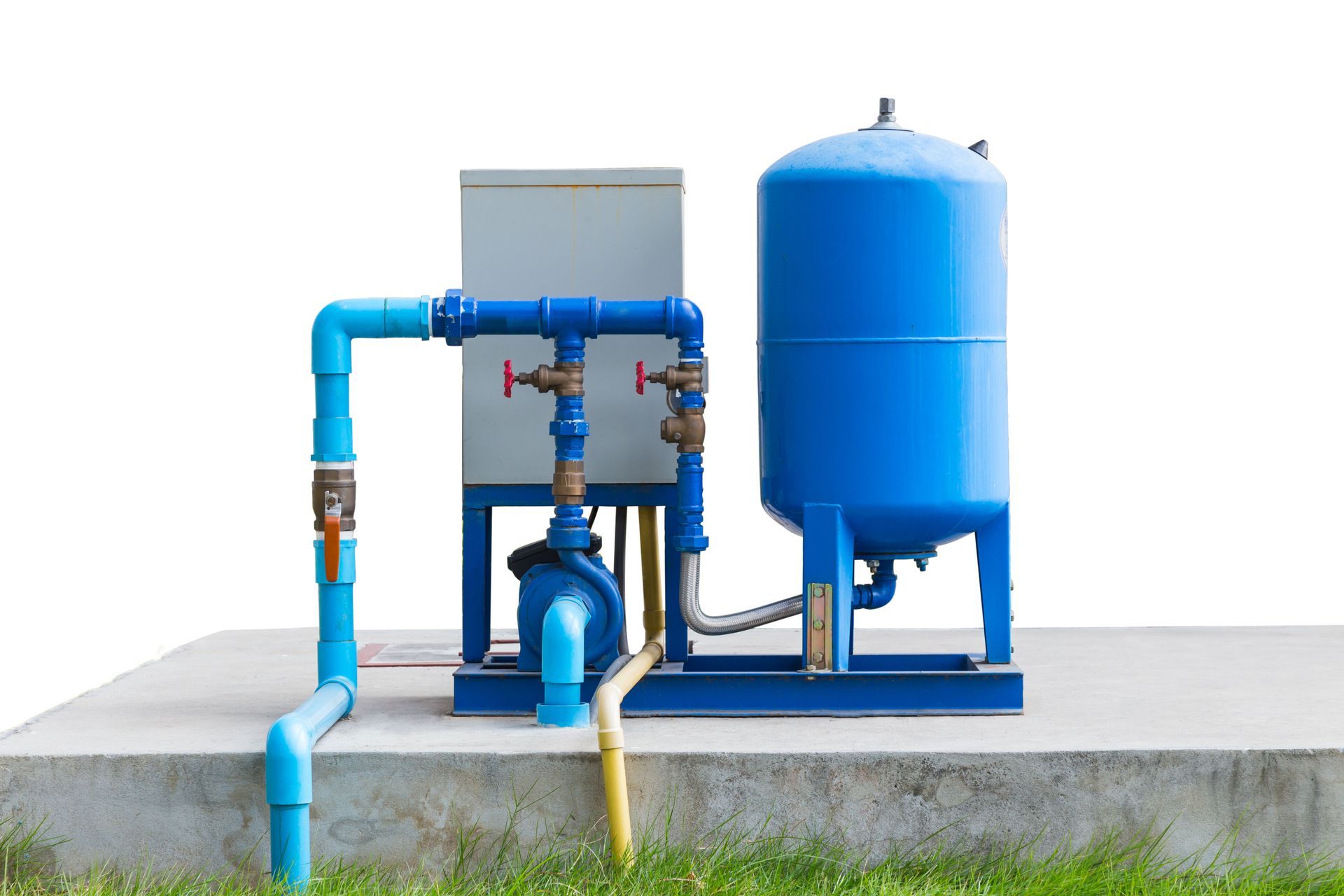
The pressure tank, an integral component of the well system, can face premature failure when paired with a failing pump. Continuous pump strain may over-pressurize the tank, leading to cracks or bursts that necessitate costly repairs or replacements. Pressure tank issues can disrupt water flow consistency even further, leading to increased pumping cycles that extend system inefficiencies. These repairs are not only costly but also cause interruptions in water supply, adversely affecting daily living conditions. Investing in a professional well pump install alongside tank maintenance safeguards long-term household plumbing systems.
The importance of a well-functioning pump cannot be overstated. As integral components of your household water supply, ensuring their proper operation is crucial to prevent a wide range of issues, from minor inconveniences to serious health and property concerns. Regular maintenance and a professional well pump install when your current unit reaches the end of its lifespan can mitigate these risks and help maintain the quality, safety, and efficiency of your home's water system. By understanding these potential impacts, homeowners can take proactive steps to ensure a reliable water supply and safeguard their homes and families. Ultimately, investment in a correct well pump install translates into preserving the economic worth and well-being of your entire home. Contact Dana's Wells today for more information.