August 21, 2026
Choosing a location for a new water well is a detailed process that involves much more than selecting an open area on a property. Professionals must evaluate underground geology, groundwater conditions, property layout, environmental factors, and applicable regulations before drilling begins. The goal is to identify a location that offers practical access to groundwater while also supporting safe and reliable well construction. Different properties can have significantly different subsurface conditions, even when they are located relatively close to one another. This is why experienced professionals rely on research, field observations, and knowledge of local conditions when developing a drilling plan. Property owners may not be able to see what exists beneath the surface, but drilling professionals have methods for gathering useful information before making important decisions. Careful site selection can also reduce potential complications related to access, contamination, construction, and future property use. Understanding the factors involved can help homeowners and property owners appreciate the planning that goes into a successful well project.
Evaluating Local Geological Conditions
The geology beneath a property plays a major role in determining where drilling should occur. Soil, sand, gravel, clay, and rock formations can all affect how groundwater moves beneath the surface. Professionals examine geological information to identify formations that may contain usable groundwater. Existing geological records can provide valuable information about the types of materials commonly found beneath nearby properties. Nearby well records may also reveal approximate drilling depths and the formations encountered during previous projects. However, professionals recognize that underground conditions can vary from one location to another, so nearby information is only one part of the evaluation. Experienced water well drillers combine regional information with observations and conditions specific to the property being considered. This allows them to make decisions based on multiple sources of information instead of relying on assumptions about what lies underground.
Assessing Groundwater Availability
The presence of groundwater does not automatically mean that every location will provide a suitable water supply. Professionals must consider the depth, movement, and characteristics of groundwater-bearing formations beneath the property. Some areas may contain productive aquifers, while other formations may provide limited water. Information from nearby wells can help establish patterns regarding water availability in the surrounding area. Seasonal groundwater changes may also be considered because water levels can fluctuate depending on weather and other environmental conditions. The intended use of the well is another consideration because household, agricultural, and other applications can have different water requirements. Water well drillers evaluate these factors when identifying areas that may offer a reasonable balance between groundwater availability and drilling practicality. Careful evaluation helps create a drilling plan that is based on the property's anticipated water needs.
Reviewing Nearby Well Information
Existing wells can serve as valuable reference points when professionals are evaluating a new drilling location. Well records may contain information about drilling depth, geological formations, water levels, and production characteristics. While one nearby well cannot guarantee the same result elsewhere, multiple records can reveal useful local patterns. Professionals may review these records to identify formations that have historically produced usable groundwater. They can also learn about common drilling depths and potential geological challenges in the surrounding area. Historical information becomes especially useful when combined with current observations from the property. Experienced water well drillers understand how to interpret these records while accounting for differences between individual sites. Using available well information can help professionals develop more informed expectations before drilling equipment arrives.
Identifying Potential Contamination Sources
Protecting groundwater quality is an essential part of selecting a well location. Professionals look for possible sources of contamination that could affect the water supply, including septic systems, fuel storage, chemical areas, livestock operations, and waste disposal locations. The well must be positioned appropriately in relation to these potential hazards according to applicable requirements. Surface drainage is also important because rainwater can carry contaminants across the property and into vulnerable areas. Professionals consider the surrounding landscape to determine whether runoff could create additional concerns for the proposed well. Selecting a location away from potential contamination sources can provide an important layer of protection for the groundwater supply. Water well drillers incorporate these environmental considerations into their site evaluations before recommending a drilling location. This careful approach supports both the safety of the water source and the long-term functionality of the well.
Considering Expected Drilling Depth
The expected depth of a well can influence equipment requirements, project planning, cost, and the selection of a practical drilling location. Some groundwater sources are located relatively close to the surface, while others require drilling through extensive layers of soil and rock. According to the U.S. EPA, drilled wells can extend thousands of feet underground, and their continuous casing makes them among the safer well options because it helps reduce contamination risks. The appropriate depth depends on local geological formations and the location of productive groundwater. Professionals use geological records and nearby well data to develop expectations about how deep drilling may need to go. Deeper drilling can require additional equipment, time, and planning, making the initial site evaluation especially important. Water well drillers consider these variables when determining how the proposed well can be constructed efficiently and safely. Understanding the potential depth before work begins helps property owners prepare for the scope of the project.
Examining Property Access and Layout
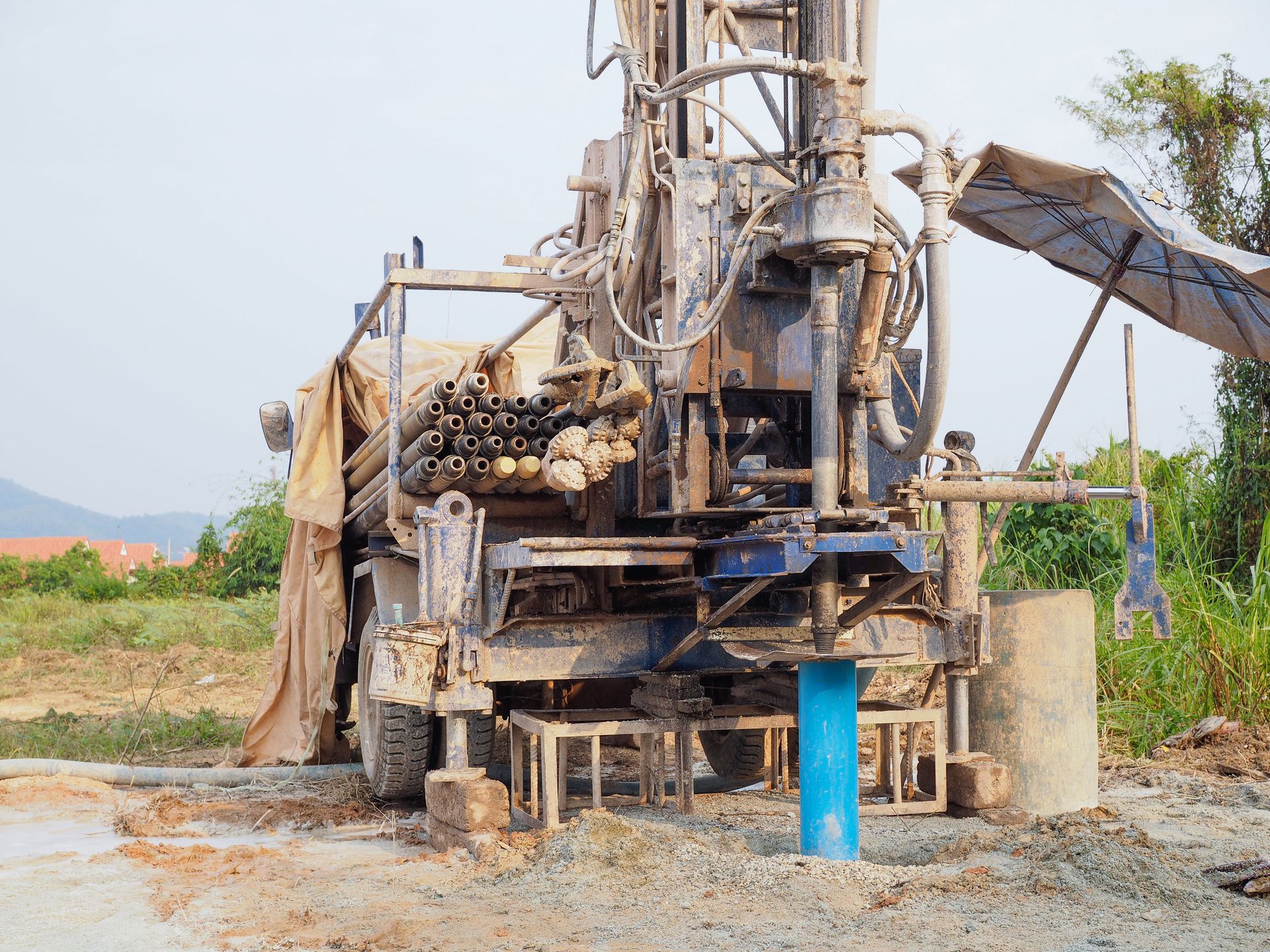
The physical layout of a property can significantly affect where drilling equipment can be placed. Large drilling machinery needs enough space to operate safely and efficiently during construction. Professionals evaluate driveways, slopes, buildings, fences, trees, utility lines, landscaping, and other physical obstacles before selecting a location. An area with favorable groundwater conditions may not be practical if drilling equipment cannot reach it safely. Access for delivery vehicles and support equipment may also influence the final placement. Professionals need to consider how drilling activities could affect the surrounding property during construction. Water well drillers balance these practical concerns with underground conditions to identify a location that works both above and below the surface. Proper access planning can reduce unnecessary delays, property damage, and equipment complications once drilling begins.
Following Applicable Well Regulations
Well placement is also influenced by local, state, and sometimes county requirements. Regulations can establish minimum distances between wells and septic systems, property boundaries, structures, drainage areas, or other potential hazards. Permitting requirements may need to be addressed before drilling equipment can be brought onto the property. Professionals must understand these rules when evaluating possible locations for a new well. A site that appears ideal from a geological perspective may not be suitable if it fails to meet applicable requirements. Reviewing regulations early in the planning process can prevent avoidable changes or delays later. Water well drillers familiar with the requirements in their service area can help property owners understand which regulations may affect their project. Following these standards supports proper construction while helping protect the groundwater resource and surrounding property.
Balancing Technical and Practical Factors
Selecting a drilling location ultimately requires professionals to balance several factors rather than relying on one specific indicator. Favorable geology is important, but it must be considered alongside groundwater availability, contamination risks, property access, regulations, and future land use. A location that appears promising underground may create challenges if it interferes with planned construction or cannot accommodate drilling equipment. Likewise, a convenient location may not provide the same potential for accessing a productive groundwater formation. Professionals consider the property's current needs as well as potential future changes to the land. This broader perspective allows them to identify locations that are practical for both the drilling process and long-term property use. Water well drillers apply their experience to weigh these different considerations and develop a location recommendation based on the overall conditions.
The location should also avoid areas that may become difficult to reach because of future landscaping, construction, or property improvements. Protecting the surrounding area from potential contamination sources should remain an ongoing priority after installation. Property owners should discuss their current situation and plans with the drilling professional before finalizing the location. These conversations can help identify potential conflicts that might otherwise become problems later. With careful planning, a well can be positioned to provide convenient access while supporting safe and dependable operation. Dana's Wells can help evaluate your property and develop a well-drilling approach based on its unique conditions and water needs, so contact us today to discuss your project and take the next step toward a dependable water supply.