5 Types of Water Well Pumps: Which One Is Right for You?

December 1, 2025

Choosing the right water well pump is essential for ensuring a reliable water supply from your well. With various types of pumps available, each designed for different well depths and water needs, making the right choice can feel daunting. Whether you're installing a new pump or replacing an old one, this guide will help you understand the different types of water well pumps available and which one might be the best fit for your specific situation. Many homeowners begin their project by consulting professionals who specialize in water well pump installation to ensure proper setup and long-term performance.


1. Jet Pumps

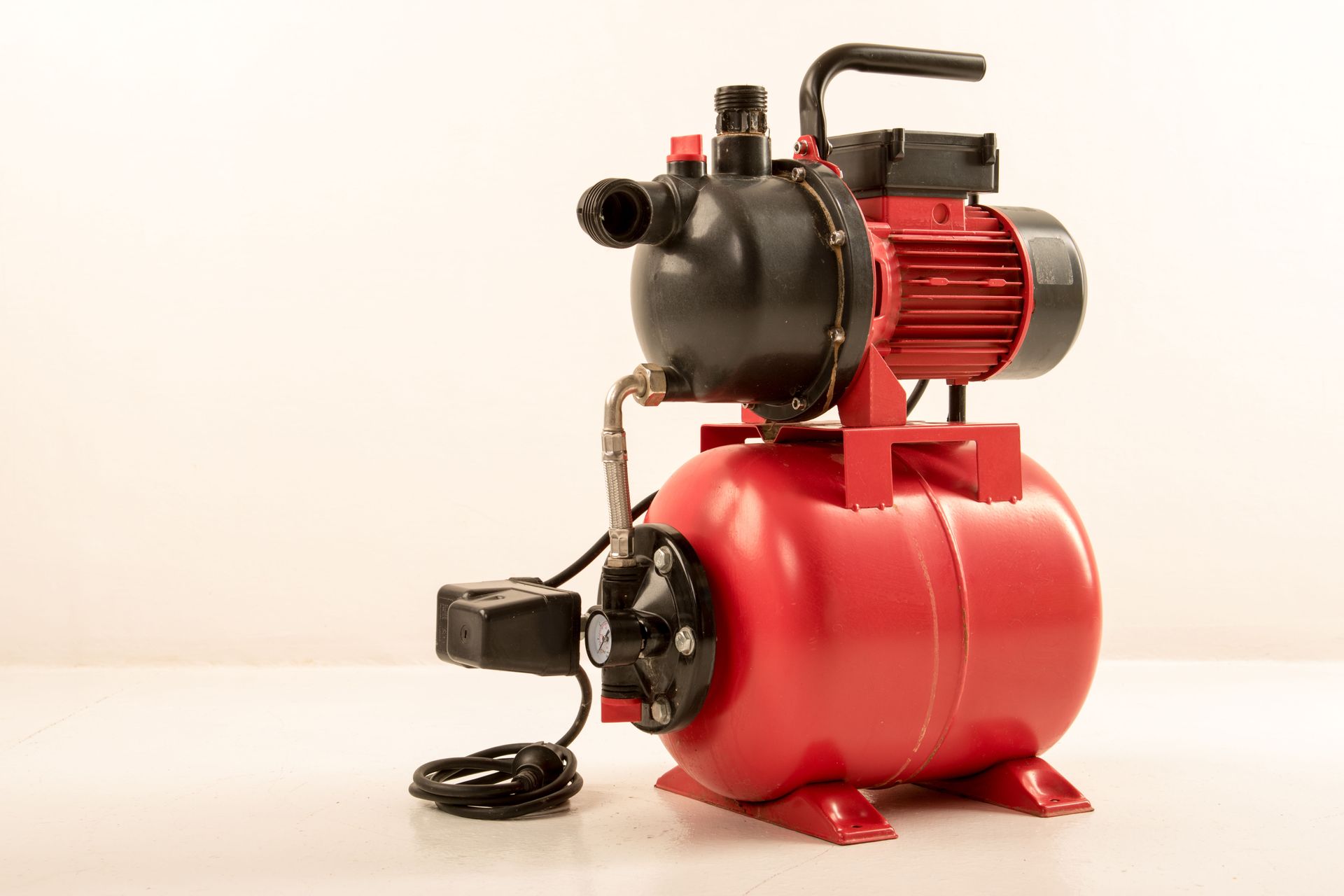
In our experience, jet pumps are a popular choice for shallow wells due to their efficiency in drawing water from depths of 25 feet or less. They work by creating a vacuum that draws water up into the well system. Jet pumps are mounted above the well and rely on the atmospheric pressure to draw water. These pumps are ideal for homes that sit on sandy soil, as the presence of sand can obstruct the flow of water if submersible pumps are used. Though they are less efficient for deep wells, their simplicity and ease of maintenance make them a great option for shallow well applications and a common recommendation during water well pump installation consultations.


2. Submersible Pumps

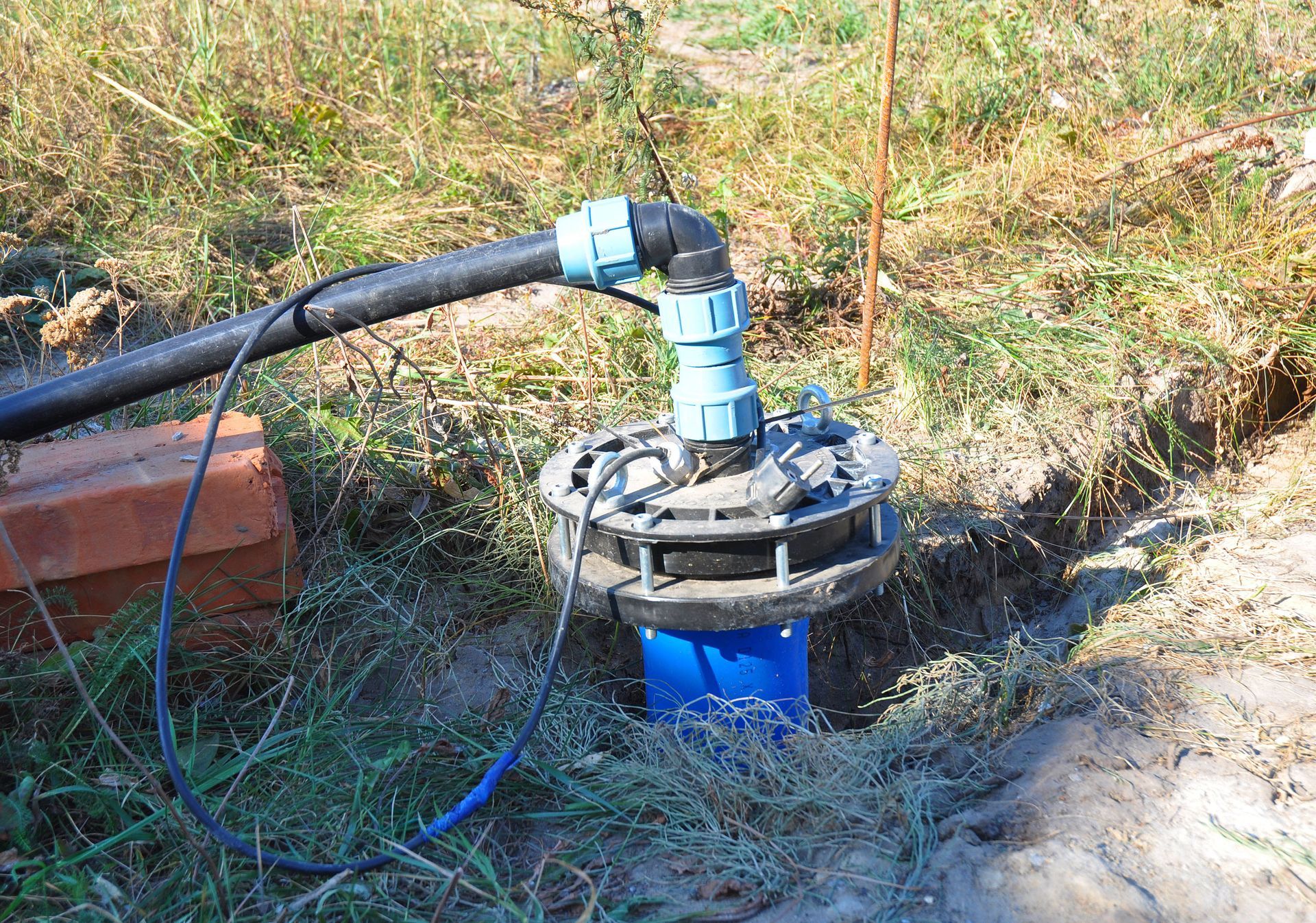
Submersible pumps are designed to operate underwater and are commonly used for deep wells. According to This Old House, submersible pumps can be used in wells up to 300 feet deep. These pumps are placed directly within the well and push water to the surface, which is more energy-efficient compared to pulling methods. Submersible pumps are often recommended for their durability and ability to provide a constant flow of water without requiring priming, making them a frequent choice during professional water well pump installation services.


3. Convertible Jet Pumps

Convertible jet pumps offer the benefits of both shallow and deep well jet pumps, making them an adaptable choice for varying well conditions. These pumps come with a dual-intake option, which allows them to efficiently draw water from both shallow and moderately deep wells, typically up to 90 feet deep. The pump switches between one-line systems for shallow wells and two-line systems for deeper ones, providing flexibility for homeowners who may experience changes in water table levels over time. This makes them a practical option if your well conditions fluctuate, and professionals often recommend them during water well pump installation for unpredictable well environments.


4. Solar-Powered Pumps

For environmentally conscious homeowners or those living off the grid, solar-powered pumps offer a sustainable and cost-effective solution. These pumps utilize solar panels to harness energy from the sun, reducing electricity costs and dependency on traditional power sources. Solar pumps are especially beneficial in areas with ample sunlight and can be used in both shallow and deep wells. Although the initial investment might be higher, the long-term savings and reduced environmental impact make solar-powered pumps an attractive option for eco-friendly water extraction and a growing trend in modern water well pump installation.


5. Hand Pumps

Hand pumps are a traditional option that still remains relevant today, especially in rural areas or regions without reliable power sources. They are simple, mechanical devices used to manually draw water from a well, making them a reliable backup in case of power outages or pump failures. While hand pumps are limited in their ability to extract water from deep wells, they are incredibly useful as a secondary water source or for emergency use. Their low maintenance and reliance on physical labor rather than electricity make them a dependable option for basic water needs.


Choosing the right water well pump is crucial for effective and efficient water extraction from your well. Understanding the specific needs of your well, such as depth and water requirements, will guide you in selecting the most appropriate pump type. Whether you're looking for a pump that operates efficiently at great depths or one that harnesses renewable energy, the right choice will ensure a consistent and reliable water supply. By considering factors such as well depth, power availability, and environmental impact, you can make an informed decision that best meets your needs. For expert guidance and dependable pump solutions, contact Dana's Wells Inc today. Our team is ready to help you select, install, and maintain the ideal pump system for long-term performance and peace of mind, ensuring your water well pump installation is completed with precision and reliability.


water well drillers
September 16, 2025
Professional water well drillers play a vital role in making sure that the water running through our taps is not only abundant but also safe to consume.
water well driller
June 17, 2025
A water well driller can help serve as a compelling selling point, especially for eco-conscious or homesteading-oriented buyers.
well pump installation
February 5, 2025
This blog post will delve into seven incredible advantages of investing in a well pump installation for your property. Read on to learn more!
well service
October 10, 2024
Looking to hire a professional well service? In this article, we discuss the topic of well abandonment services. Read on to learn more.
water well pump repair
August 13, 2024
Here are the top four signs you need a water well pump repair. Contact our team today for more information or to schedule a service.
well pump
October 27, 2023
What is a well pump, and what do you need to know about it? We have the answers here from our experts! Call today to schedule an appointment.
well pump repairs
April 21, 2023
If you notice any potential issues with your well pump, it's important to seek well pump repairs as soon as possible. Here are a few key reasons to do so.
well services
November 29, 2022
You never want your source of water to be compromised. If you use a well, read on to learn why you need to schedule regular well services.