March 11, 2026
According to the U.S. Geological Survey, more than 43 million people in the United States rely on well water each day. That single statistic reflects a wide range of households and properties that depend on groundwater for drinking, cooking, bathing, cleaning, and irrigation. For many families, a private well is not a backup option; it is the primary utility that supports daily routines and basic comfort. When a well system performs consistently, it can feel effortless. When it does not, the impact is immediate, affecting everything from sanitation to meal preparation and even the ability to heat or cool a home if equipment depends on reliable water pressure.
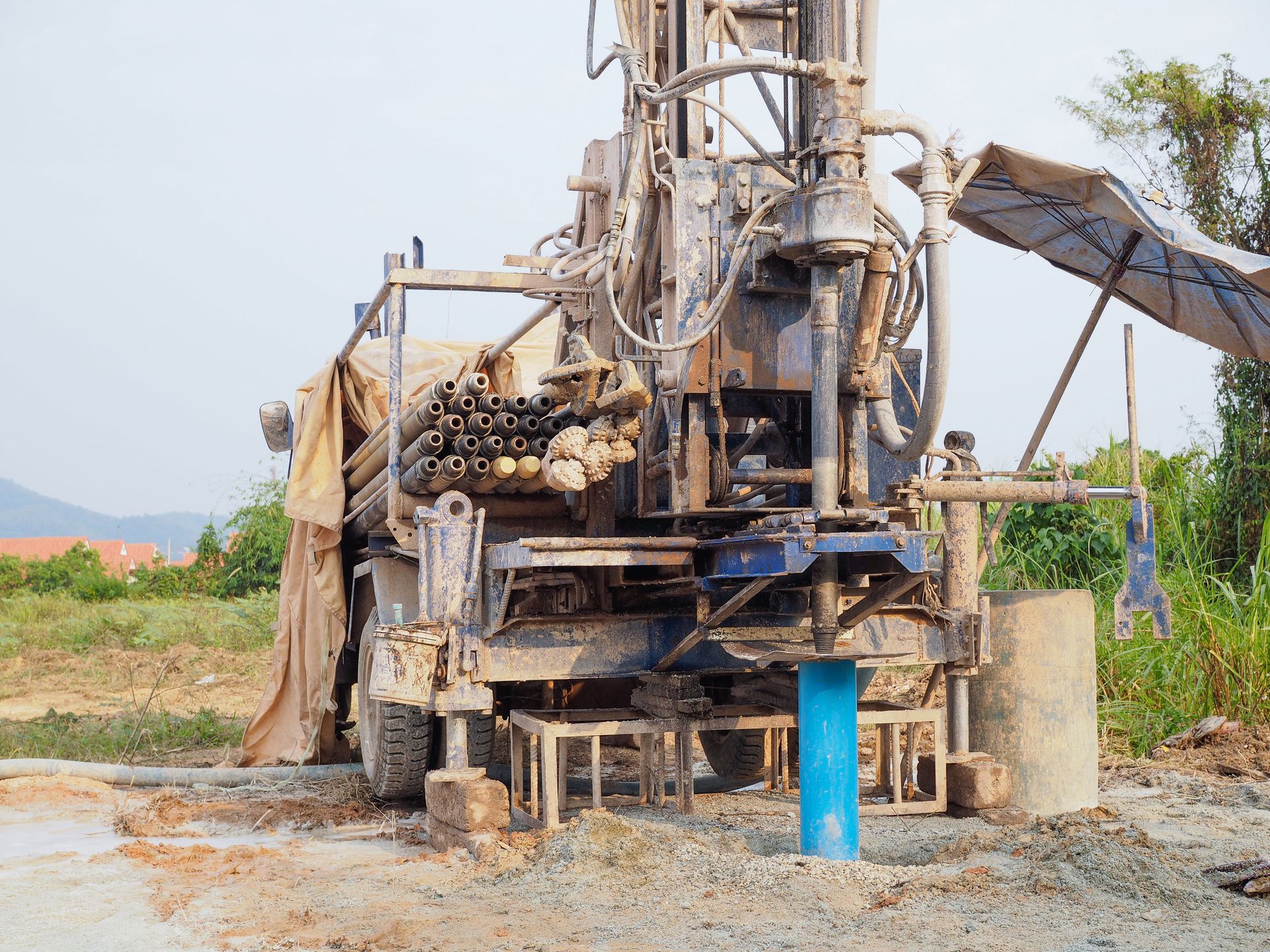
Because well systems are highly site-specific, owners often benefit from professional guidance that accounts for local conditions, water demand, and long-term performance. A water well driller plays a central role in building, maintaining, and restoring well systems so properties can access water steadily across changing seasons. While homeowners may handle basic monitoring, a water well driller brings technical expertise that supports safe construction practices, protects water quality, and helps owners respond effectively when problems arise.
Explaining Well Water Reliance in Everyday Communities
Well water dependence is not limited to remote areas. Many suburban and semi-rural neighborhoods use private wells, and countless farms and small businesses rely on wells for operational continuity. This reliance makes it important to understand how groundwater systems behave over time. Aquifer conditions can shift with seasonal rainfall patterns, drought cycles, and nearby development that affects recharge rates. Even when a well has served a property for years, changes in the surrounding environment can influence yield and water quality.
A water well driller helps property owners interpret these changes through practical observations and system checks. For example, reduced flow may point to a pump issue, a pressure system concern, mineral buildup, or declining water levels that require a deeper evaluation. A water well driller can also explain how normal fluctuations differ from warning signs, helping owners avoid unnecessary repairs while still addressing true risks early. When homeowners understand their system’s baseline performance, they can act faster when something shifts, which often reduces downtime and prevents secondary damage to plumbing components.
Supporting Well Construction and Siting Decisions
A well system is only as strong as the decisions made during planning and installation. Location, depth, casing design, and site protection all influence whether the system performs reliably over the long term. A water well driller evaluates property conditions to support informed siting decisions, including the relationship between the well and potential contamination sources such as septic systems, drainage areas, and chemical storage. In many regions, setbacks and construction standards exist to protect groundwater, and professional planning helps align the installation with those expectations.
A water well driller also considers the household’s current and future water needs. A growing family, planned additions, irrigation demands, or livestock use can change the required output, and sizing choices matter. When a well is designed to match real demand, it reduces stress on pumps and pressure tanks and can support more stable water delivery. In addition, the right casing and sealing methods help protect the well from surface intrusion during heavy rain or snowmelt, which is especially important for owners who want consistent water clarity and fewer sediment-related issues.
Improving Water Quality and System Protection
Water quality concerns often emerge gradually, which is why owners benefit from understanding what to watch for. Changes in taste, odor, staining, or visible sediment can indicate mineral shifts, bacterial intrusion, corrosion, or well integrity problems. In some cases, the issue is not the aquifer itself, but the pathway into the system. Poor seals, compromised caps, or aging components can allow contaminants to enter, especially after storms or during seasonal thaw conditions.
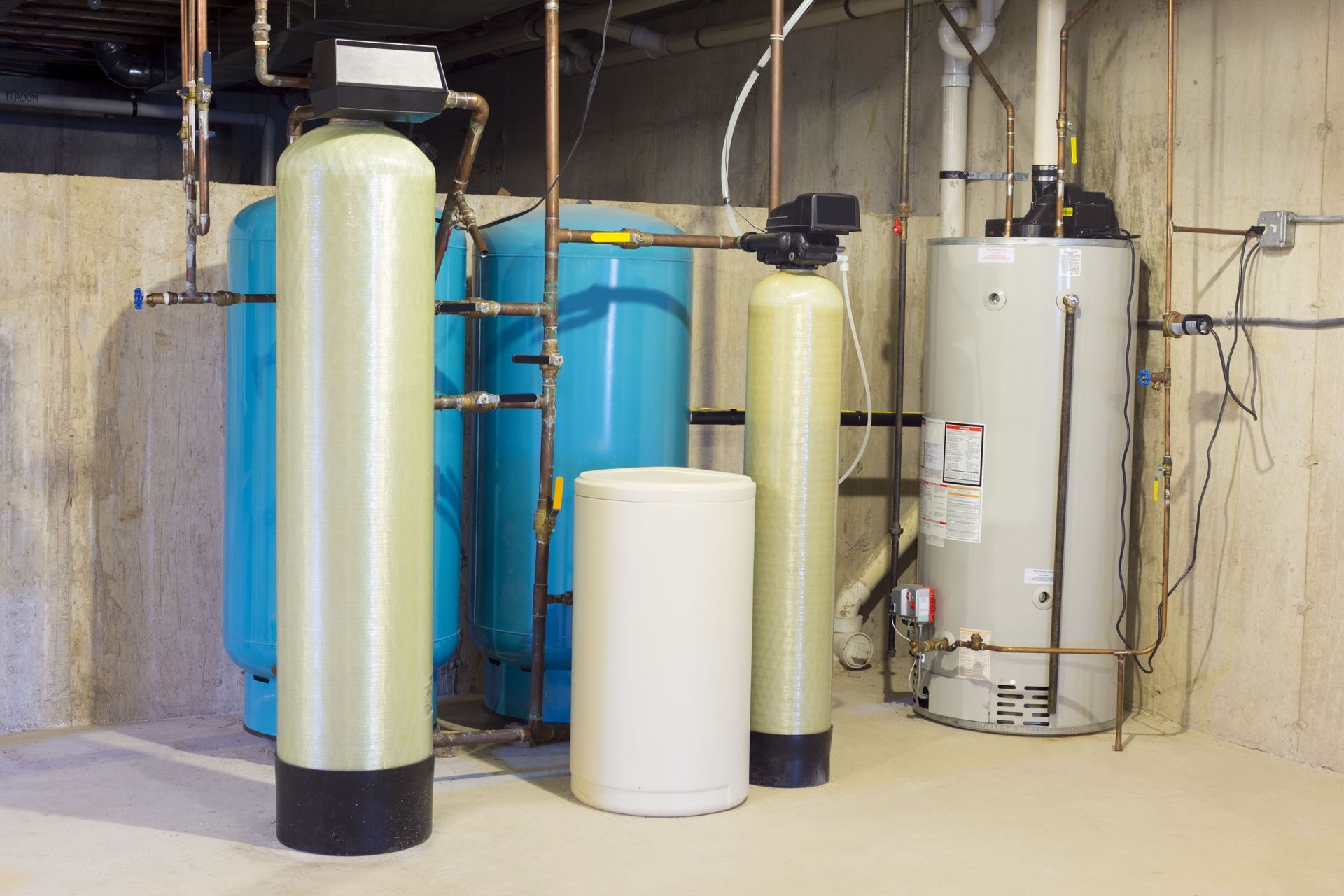
A water well driller supports water quality by focusing on system protection, including sanitary sealing and wellhead integrity. Regular inspections can identify cracked caps, damaged casing, or compromised seals that increase contamination risk. A water well driller may also recommend targeted testing when symptoms appear or when the system has not been evaluated in a long time. Testing is especially helpful after major weather events, property flooding, or any nearby construction that might disturb soil and drainage patterns. When results show concerns, solutions may include disinfection, improved sealing, or filtration tailored to the property’s water characteristics.
Maintaining Pumps and Pressure Performance
Many well complaints trace back to pressure performance, which can make the system feel unreliable even when the well produces enough water. Low pressure, short-cycling, sputtering faucets, or inconsistent flow can signal issues with the pump, pressure tank, control switch, or piping. These symptoms often disrupt daily routines, particularly in homes with multiple bathrooms or water-dependent equipment like dishwashers, washing machines, or water treatment systems.
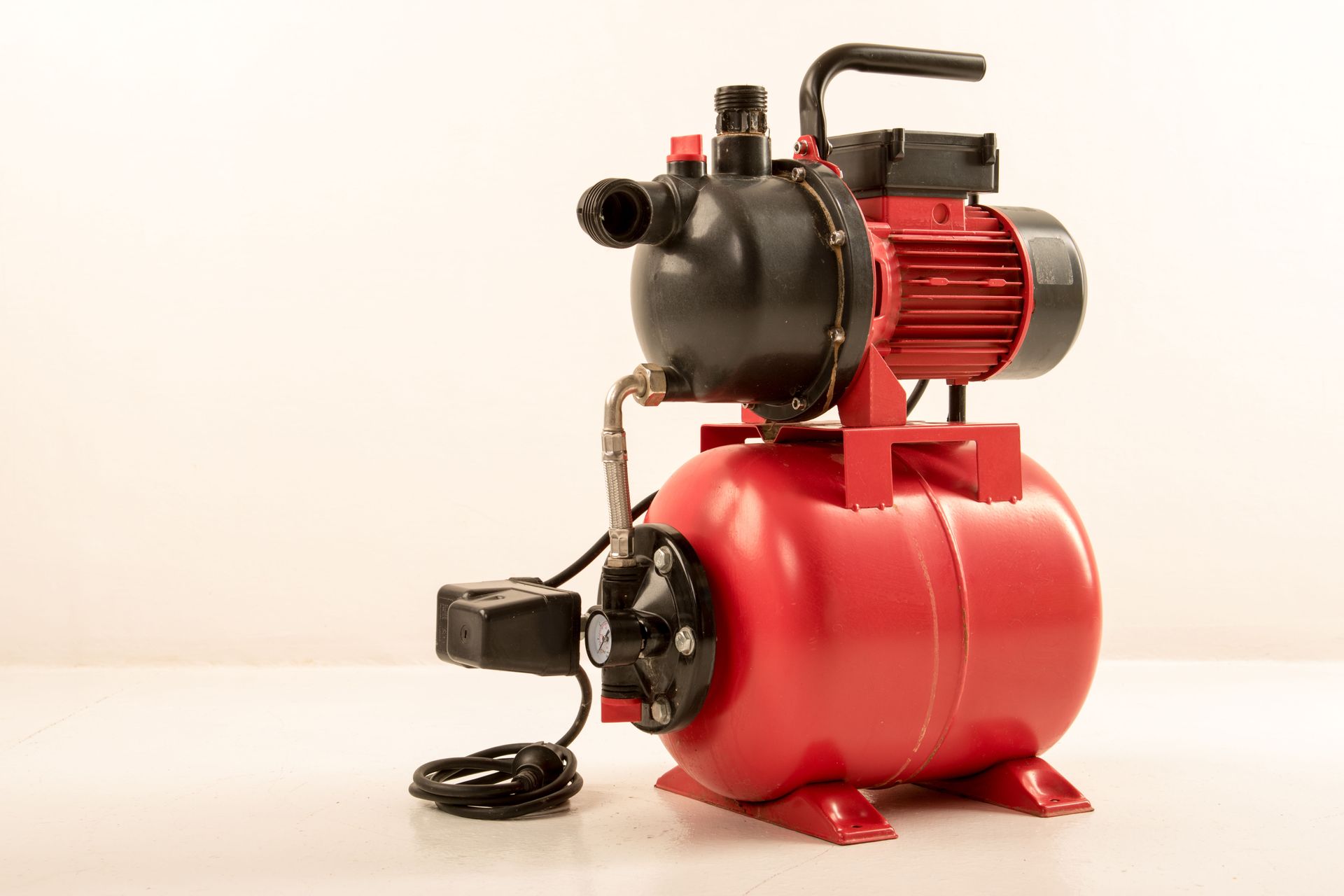
A water well driller can diagnose the root cause by evaluating the pump’s condition, checking electrical components, and assessing pressure tank performance. In some cases, the pump may be functional but incorrectly sized for the household’s demand, causing frequent cycling that accelerates wear. In other situations, a failing pressure switch or a waterlogged pressure tank may create unstable pressure and frequent on-off operation. A water well driller can recommend repairs or replacements that restore stable operation while also considering efficiency and component lifespan.
Responding to Emergencies and Preventing Future Failures
Sudden water loss is one of the most stressful problems a property owner can experience because it affects sanitation, cooking, cleaning, and sometimes heating systems. Emergency response often begins with determining whether the issue is electrical, mechanical, or related to the well itself. Tripped breakers, failed control boxes, damaged wiring, or pump failure can all produce similar symptoms, which is why structured troubleshooting matters.
A water well driller helps narrow down the cause using diagnostic steps that reduce unnecessary part replacements. Once the immediate issue is corrected, prevention becomes the next priority. A water well driller may suggest routine inspections, monitoring pressure behavior, and replacing aging components before they fail unexpectedly. Owners can also benefit from learning how early warning signs present, such as longer pump run times, unusual noises, pressure swings, or increasing sediment. In areas prone to freezing temperatures, additional prevention may involve protecting exposed piping or ensuring the wellhead is properly secured against seasonal damage. This combination of emergency readiness and prevention supports fewer disruptions and helps owners maintain confidence in their water system year-round.
Planning for Long-Term Well System Care
Long-term well ownership is easier when owners approach the system as something to monitor and maintain, rather than something to ignore until it fails. Over time, wells may experience mineral scaling, corrosion, pump wear, or changes in groundwater availability. Routine attention helps owners catch small issues before they become major repairs. Even simple tracking, such as noting pressure changes or documenting unusual sediment events, can provide useful information when service is needed.
A water well driller can guide long-term care planning based on the property’s specific conditions and usage patterns. For instance, a household that uses extensive irrigation may benefit from system adjustments that reduce stress on the pump during peak seasons. A property with high mineral content may need filtration or water treatment considerations to protect appliances and plumbing fixtures over time. In addition, owners sometimes benefit from evaluating whether the well’s current setup still matches the household’s needs, especially after renovations, added bathrooms, or new equipment. By aligning system design, maintenance, and practical monitoring, a water well driller helps owners protect water access, reduce downtime, and maintain stable performance through changing conditions and long-term property use. Call Dana's Wells today to schedule your well drilling or pump service.