November 26, 2026
Access to clean, reliable water is one of the most valuable features of any property that relies on groundwater. Unlike municipal water customers who receive a monthly bill and rely on city infrastructure, private well owners take on the responsibility of managing their own water supply from the ground up. When everything flows smoothly, it is easy to forget about the mechanical components working quietly underground and in the utility room. However, taking a proactive approach to system care delivers substantial rewards over the years. Scheduling routine water well service is one of the smartest decisions a property owner can make to protect their home, health, and long-term budget.
1. Protecting Your Household Water Quality
Clean water is essential for drinking, cooking, bathing, and daily household tasks. Over time, natural shifts in the surrounding soil, aging well casings, or worn seals can allow sediment, minerals, or surface contaminants to enter the water supply. Routine water well service includes thorough inspections and water testing that identify subtle changes in water composition before they affect your family.
Detecting Contaminants Before They Become Health Hazards
Many waterborne contaminants, including bacteria and nitrates, have no noticeable taste, odor, or color. Relying solely on how your water looks or smells leaves your household vulnerable to unseen issues. Regular testing through a professional water well service provides accurate data about what is in your water, allowing technicians to address vulnerabilities in the wellhead or casing before water safety is compromised.
Preventing Mineral Buildup and Sediment Accumulation
Groundwater naturally carries dissolved minerals such as iron, manganese, and calcium. Without periodic attention, these minerals can accumulate inside pipes, fixtures, and appliances, leading to staining, scale deposits, and reduced flow. Consistent maintenance keeps mineral buildup in check and helps preserve the clarity and freshness of your water year after year.
2. Extending the Lifespan of Your Entire System
A private well is a major infrastructure asset, and getting the maximum number of years out of that asset makes sound financial sense. According to HomeGuide, a well that is installed by professionals has the potential to operate for three to five decades when it receives consistent upkeep. Reaching the upper end of that timeframe depends heavily on how well the individual components are cared for along the way.
Reducing Wear on Submersible Pumps and Motors
The pump is the heart of your water system, working hard every time a tap opens or an appliance fills. When pressure switches fall out of calibration or sediment enters the intake, the pump motor works harder and cycles more frequently than intended. Routine inspections keep operating pressures balanced, reducing mechanical strain and helping the pump reach its full expected lifespan.
Preserving Pressure Tanks and Control Boxes
Your pressure tank maintains steady water pressure throughout the home while minimizing how often the pump turns on and off. If the internal bladder loses air charge or becomes waterlogged, the pump begins short-cycling, which rapidly wears out both the pump and the electrical control box. Checking tank pressure and electrical connections during scheduled visits keeps the entire system operating in harmony.
3. Avoiding Unexpected Breakdowns and Water Outages
Few household inconveniences are as disruptive as turning on the faucet and getting nothing in return. System failures rarely happen without warning signs, yet those early indicators often go unnoticed until a complete outage occurs. Investing in routine water well service helps catch worn components early so repairs happen on your schedule rather than during an unexpected crisis.
Identifying Worn Parts During Scheduled Inspections
During a comprehensive evaluation, a technician checks electrical amperage, pressure switch contacts, valves, and visible water lines for early signs of fatigue. Replacing a failing pressure switch or tightening a loose electrical connection during a planned appointment prevents sudden system shutdowns at inconvenient times, such as holidays or severe winter weather.
Maintaining Reliable Flow During Peak Demand Seasons
Household water demand often fluctuates throughout the year, climbing during summer months when outdoor watering, gardening, and guest visits increase usage. Preparing your system ahead of peak demand ensures that pumps, tanks, and water lines can handle higher volume without faltering when your household needs water most.
4. Saving Money on Major Repairs and Replacements
While it may seem tempting to postpone maintenance when the water is running fine, reactive repairs almost always require more extensive work than preventive care. A small leak in a water line or a minor pressure imbalance can cascade into a burned-out pump motor or a damaged pressure tank if left unaddressed. Routine water well service keeps minor issues small and manageable.
Catching Underground Water Line Issues Early
Underground water lines connect your well to your home, and shifting soil or freeze-thaw cycles can create small leaks over time. Left unchecked, a leaking line forces the pump to run continuously to maintain pressure, driving up electricity usage and accelerating mechanical wear. Regular system checks spot pressure drops early so water line repairs can be completed before secondary damage occurs.
Lowering Monthly Utility Bills Through Efficient Operation
An inefficient well system quietly consumes extra electricity every single day. When pumps run longer than necessary due to restricted flow, mineral scaling, or improper pressure settings, energy consumption climbs steadily. Keeping every component clean, calibrated, and operating smoothly translates directly into lower power usage month after month.
5. Preserving Property Value and Simplifying Real Estate Transactions
For homes outside municipal water grids, the condition of the private well is a primary focus during property appraisals and real estate inspections. Buyers want assurance that the water supply is safe, dependable, and properly cared for. Documented history of regular water well service demonstrates responsible property stewardship and helps prevent delays when it comes time to sell.
Building a Documented History of System Care
Keeping records of inspections, water quality tests, and component replacements creates a clear maintenance timeline for your property. When prospective buyers or home inspectors review a well-documented service history, it removes uncertainty about the condition of underground equipment and supports stronger confidence in the property as a whole.
Avoiding Last-Minute Inspection Surprises
Real estate transactions frequently require water testing and well inspections before closing. Properties with neglected wells often uncover bacterial issues, low yield, or aging tanks right in the middle of negotiations. Ongoing maintenance ensures your system stays compliant and ready for inspection at any time.
6. Protecting Local Groundwater Resources
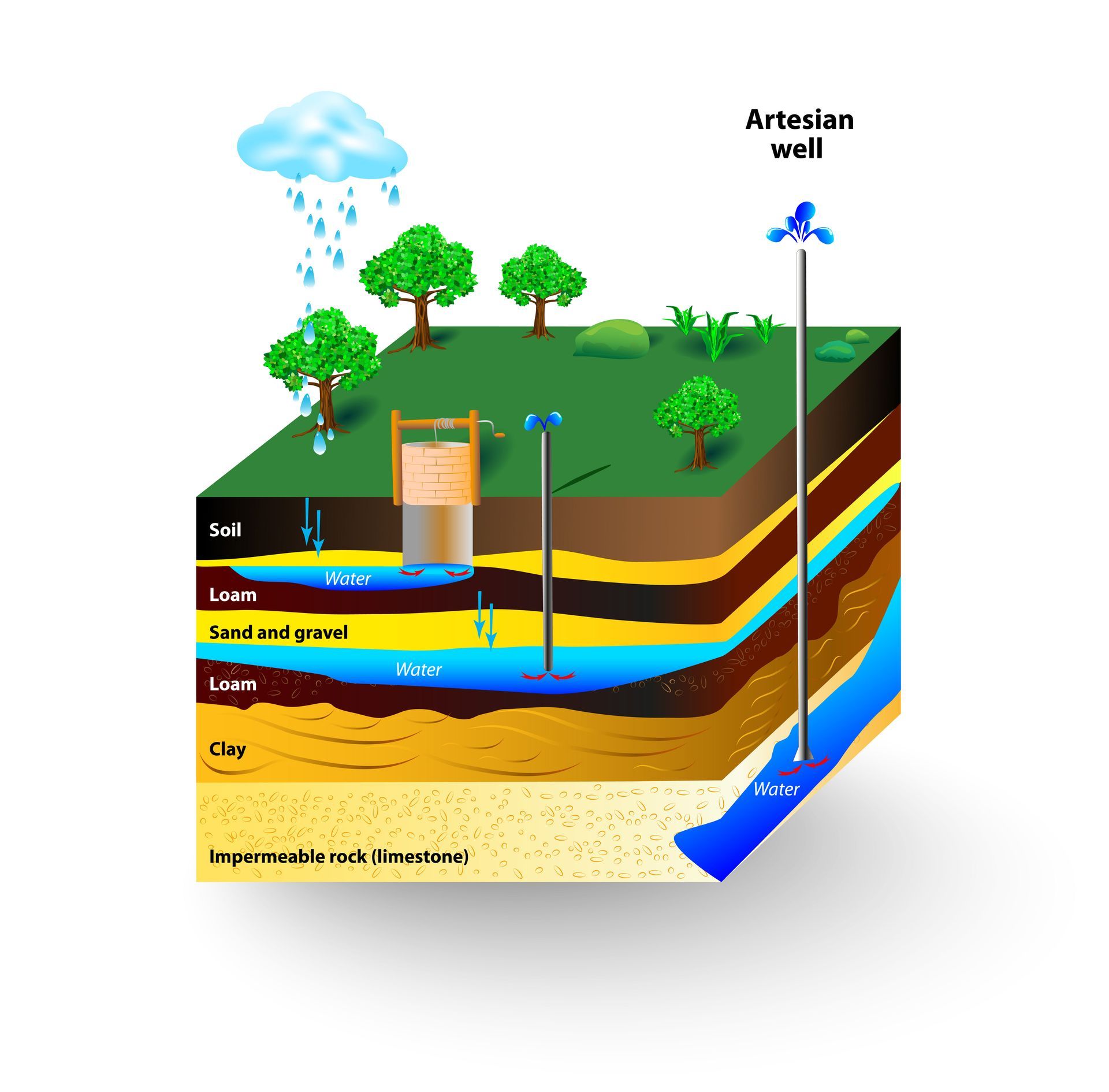
Every private well taps into a shared underground aquifer that supplies water to neighboring properties and the surrounding environment. A well that is poorly maintained or structurally compromised can become a pathway for surface runoff, fertilizers, or septic effluent to enter the aquifer. Responsible
water well service protects not just your own tap water, but the broader groundwater supply as well.
Keeping Wellheads and Seals Intact
The sanitary well seal and above-ground casing serve as the primary barrier keeping insects, rodents, and surface water out of the borehole. Over time, gaskets dry out and caps can become damaged by lawn equipment or weather. Regular visual checks and seal replacements keep the wellhead tight and secure against outside contamination.
Managing Unused or Aging Wells Responsibly
If a property contains an older, inactive well alongside an active system, leaving that unused well open poses a serious risk to groundwater quality. Proper well abandonment seals inactive boreholes permanently so surface contaminants cannot bypass natural soil filtration and reach the aquifer below.
Moving Forward With Confidence
Caring for a private well is one of the most practical investments you can make in your home's comfort, safety, and long-term value. By staying ahead of wear and tear, monitoring water quality, and keeping mechanical components calibrated, you avoid sudden disruptions and get decades of dependable performance from your water system. Reach out to Dana's Wells today to schedule your next inspection or maintenance appointment and keep your water flowing strong for years to come.