November 26, 2026
When planning a new home build or evaluating property upgrades, deciding how to supply clean water to the household is a foundational choice. For properties located outside city limits or in areas with expanding rural infrastructure, homeowners often weigh the pros and cons of connecting to a public utility versus investing in a private groundwater source. While municipal systems offer convenience for densely populated neighborhoods, an increasing number of property owners are recognizing the distinct advantages of private well drilling. Understanding the mechanics, water quality benefits, and long-term autonomy associated with groundwater systems helps clarify why private water supply remains a preferred route for many modern households.
Enhancing Water Quality and Natural Filtration
One of the primary motivations for choosing a private water supply centers on the purity and taste of the water itself. Municipal water systems draw from large surface reservoirs, rivers, or shared aquifers and must treat that water heavily to ensure it remains sanitary while traveling through miles of public distribution lines.
Avoiding Chemical Additives and Treatment Byproducts
Public water utilities rely on chemical disinfectants such as chlorine and chloramines to eliminate bacteria and pathogens during transit. While effective for public health management, these additives frequently leave behind a noticeable chemical taste and odor. Furthermore, chlorine can react with organic matter in the water to form disinfection byproducts. Private well owners bypass this centralized chemical treatment process entirely, drawing fresh groundwater directly from the earth without the need for routine chlorination.
Benefiting From Natural Geological Filtration
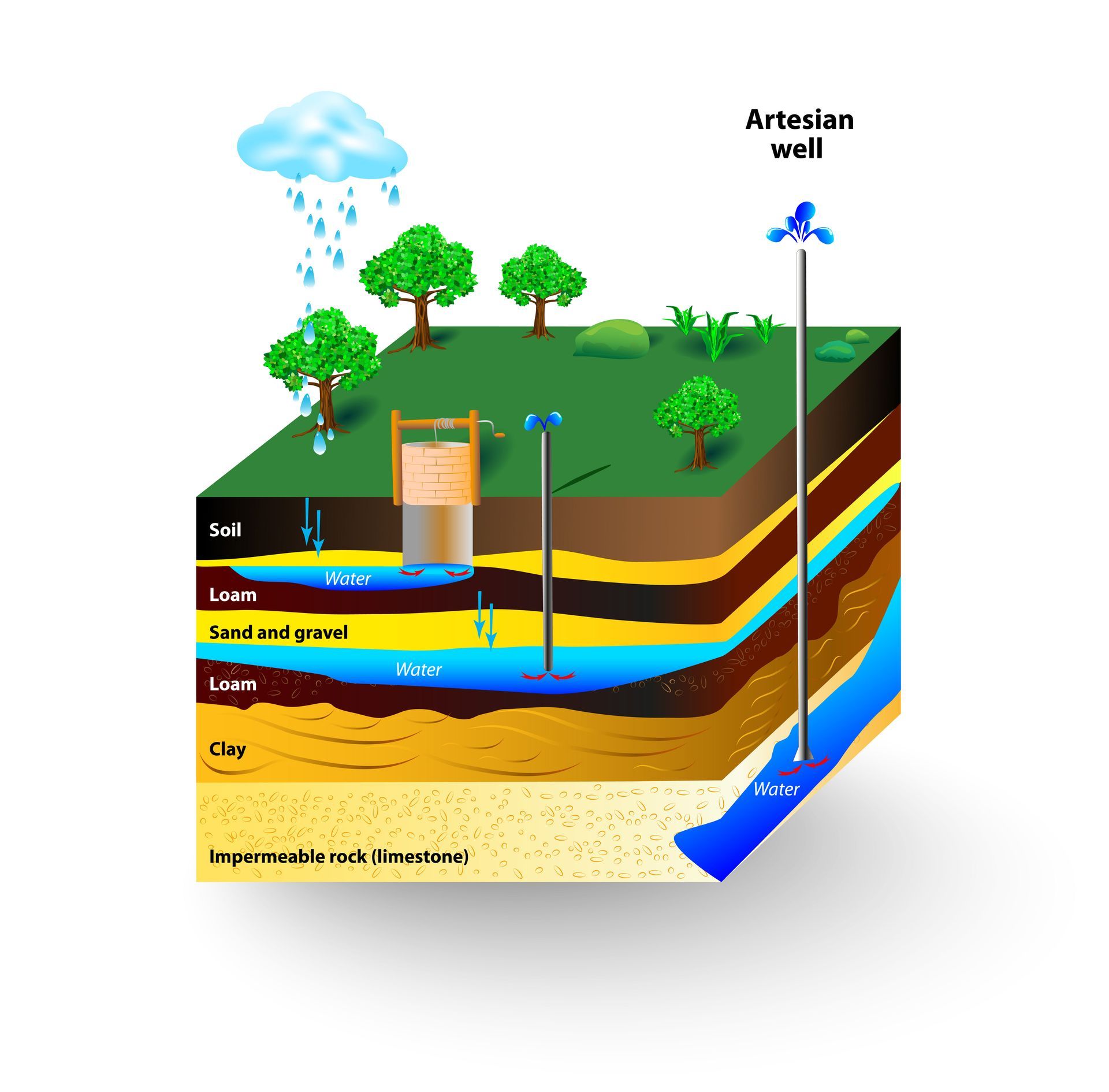
As rainwater and snowmelt seep through layers of soil, sand, gravel, and porous rock, the earth acts as a natural filtration system. This slow percolation process removes many surface impurities while allowing the water to absorb beneficial minerals such as calcium, magnesium, and potassium. Because the water comes straight from a protected underground aquifer, it often tastes cleaner and fresher than treated city water. When homeowners pair their private water source with periodic water testing and targeted well services, they gain precise control over their household water composition.
Securing Household Independence and Reliability
Relying on a municipal utility means placing complete dependence on external infrastructure, aging city pipes, and public water management authorities. Drilling a private well shifts that control directly back to the homeowner, creating a self-sustaining utility system right on the property.
Eliminating Monthly Utility Bills and Rate Hikes
Municipal water customers face ongoing monthly bills that cover water usage, sewer fees, and infrastructure maintenance assessments. Over decades of homeownership, these recurring expenses add up substantially, and rates frequently increase as municipalities upgrade aging treatment plants. Once a private water well is installed, homeowners no longer receive a monthly water bill. Aside from the minimal electricity required to run the submersible pump and routine well services to keep components operating smoothly, the water supply itself is free to draw.
Maintaining Resilience Against Public System Disruptions
Municipal water grids are vulnerable to widespread disruptions caused by water main breaks, construction accidents, power outages at central pumping stations, and contamination events that trigger boil-water advisories. A private well operates independently of the public distribution network. Even during extreme weather or regional infrastructure failures, a private system continues functioning as long as power is available to the home, which can easily be backed up with a standard household generator.
Understanding the Well Drilling and Installation Process
For homeowners accustomed to city utilities, the idea of tapping into an underground aquifer can seem complex. In reality, modern drilling techniques and professional well services make the transition straightforward, predictable, and tailored to the specific geology of the property.
Evaluating Site Geology and Aquifer Depth
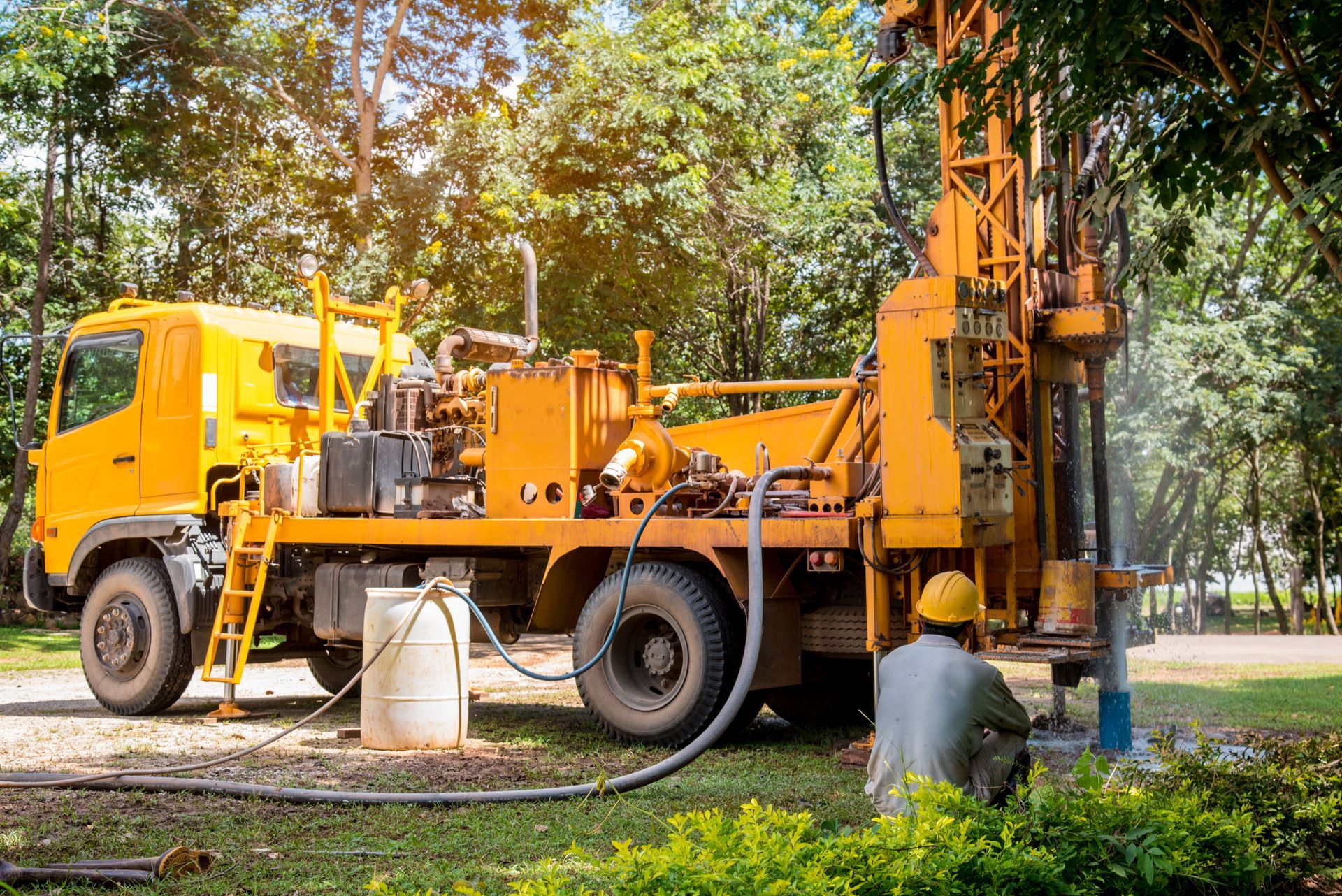
Before any equipment arrives on site, technicians assess local geological maps, neighboring well logs, and state environmental guidelines to determine the ideal placement for the borehole. Proper placement ensures adequate distance from septic systems, property lines, and potential surface runoff. According to HomeAdvisor, the depth needed to reach a viable groundwater supply for most homes typically falls between 100 and 300 feet. Reaching these deeper aquifers is essential because deeper groundwater is generally shielded from surface contaminants and seasonal fluctuations in rainfall.
Installing Essential Pumps, Tanks, and Controls
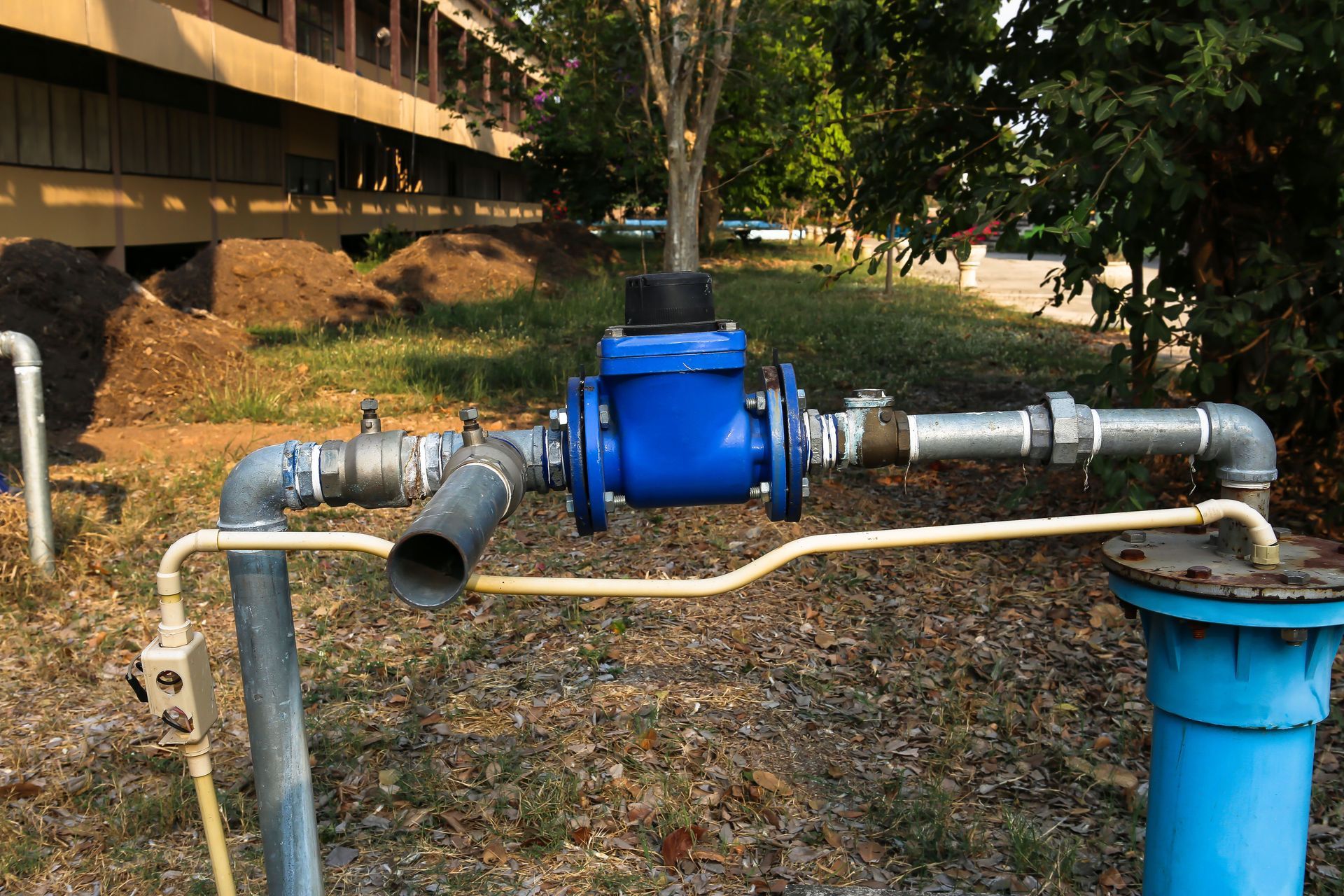
Once the borehole reaches the water-bearing formation, a protective casing is installed to prevent the walls from collapsing and to seal out shallow surface water. A screen is fitted at the bottom to keep sediment out while allowing clean water to enter. From there, technicians install a submersible pump, pressure tank, and control box to deliver consistent water pressure throughout the home. Engaging comprehensive well services during installation ensures that the pump size and pressure tank capacity match the exact daily water demands of the household.
Protecting Property Value and Long-Term System Health
Beyond daily convenience and water quality, a well-constructed private water system serves as a tangible asset that enhances the overall appeal and functionality of a residential property.
Increasing Market Appeal for Rural and Suburban Buyers
Properties equipped with a reliable, modern water well often stand out to prospective buyers seeking rural living, homesteading opportunities, or lower ongoing living expenses. Buyers appreciate knowing that the property has an established, self-contained water supply capable of supporting household needs, gardening, and landscaping without incurring municipal usage penalties or seasonal watering restrictions. Documented maintenance records from licensed well services further assure future buyers that the system has been properly cared for.
Extending Equipment Lifespan Through Routine Care
Like any mechanical system in a home, a private well performs at its peak when it receives consistent, preventative attention. Annual inspections allow technicians to check water pressure, test electrical components in the control box, inspect the pressure tank bladder, and evaluate overall pump efficiency. Addressing minor wear early through scheduled well services prevents unexpected interruptions and maximizes the lifespan of underground components. If a system ever experiences a drop in pressure or mechanical wear, targeted pump and pipe repair quickly restores normal operation.
Addressing Common Misconceptions About Private Wells
Despite the clear advantages, some homeowners hesitate to choose a private water source due to outdated assumptions about maintenance, safety, or water availability. Looking closely at how modern systems operate helps clarify what private well ownership truly entails.
Clarifying Water Safety and Testing Responsibilities
A frequent misconception is that private well water is unregulated and therefore less safe than municipal water. While the Environmental Protection Agency regulates public water systems, private well owners take on the straightforward responsibility of monitoring their own water quality. Periodic water testing for common parameters such as bacteria, nitrates, and pH levels provides clear, actionable data. When paired with professional well services, homeowners can easily address hard water or mineral imbalances using customized filtration or conditioning equipment tailored exclusively to their household's test results.
Ensuring Consistent Water Supply Year-Round
Another common concern is that a private well might run dry during summer droughts or periods of heavy household use. While shallow dug wells from generations past were susceptible to seasonal changes, modern drilled wells tap into deep, stable aquifers replenished by regional watersheds. Properly sized pressure tanks and well-maintained pumping systems ensure that multiple showers, appliances, and outdoor faucets can run simultaneously without noticeable pressure drops. Routine checkups with experienced
well services keep the entire system calibrated for steady year-round performance.
Choosing between a private well and municipal water ultimately comes down to priorities regarding water quality, financial predictability, and household autonomy. By tapping directly into naturally filtered underground aquifers, homeowners avoid chemical treatment additives, eliminate recurring monthly water bills, and insulate their households from public infrastructure disruptions. With proper site evaluation, quality installation, and periodic preventative maintenance, a residential well provides a dependable, clean water supply for decades. If you are planning a new well installation or need expert care for an existing water system, reach out to Dana's Wells today to schedule your consultation.