May 6, 2026
A reliable water supply depends heavily on the proper selection and installation of system components, especially when groundwater is the primary source. Among these components, pumps play a central role in delivering consistent pressure and dependable flow for residential and commercial use. When properly sized and installed, they support daily water needs without interruption, helping ensure everything from household fixtures to irrigation systems operates as expected.
Selecting and installing a pump is not a one-size-fits-all process. Professionals evaluate a range of environmental, mechanical, and usage-based factors before making recommendations. These considerations help reduce long-term wear, improve efficiency, and support system longevity. In many cases, careful planning during installation can prevent future performance issues that would otherwise require costly repairs or premature replacement.
The following article outlines three key factors professionals prioritize when installing and configuring well pumps, along with how each factor contributes to system reliability and safe water delivery.
1. Regulatory Separation Considerations and Site Conditions
Environmental Conditions and Groundwater Protection
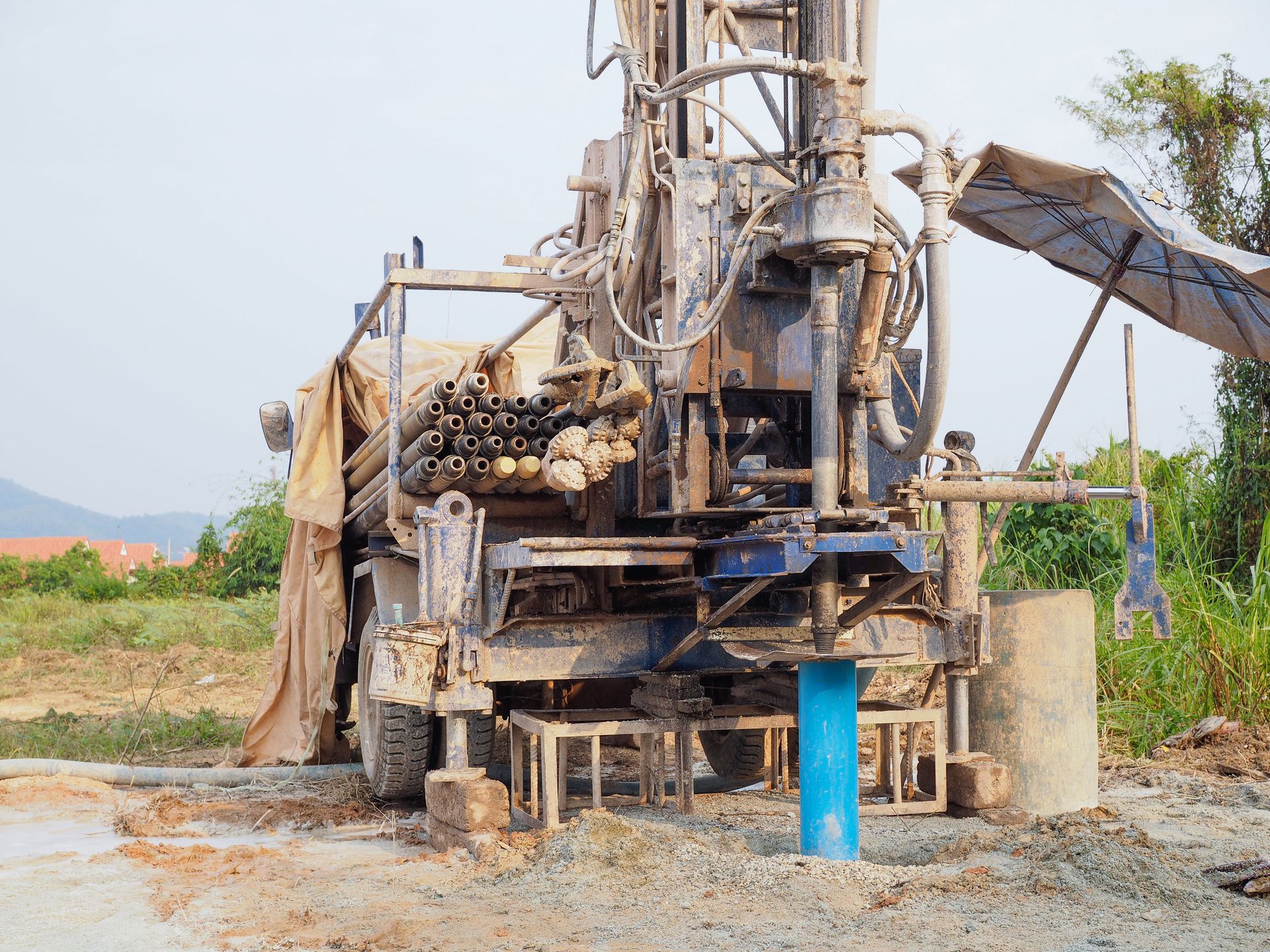
One of the first considerations in any installation is the physical environment surrounding the well site. Soil composition, water table depth, and surrounding land use all influence how well pumps are selected and configured. Sandy or loose soils, for example, may require additional safeguards to prevent sediment intrusion, while deeper aquifers may necessitate more powerful pump configurations to maintain steady output.
Professionals also assess long-term groundwater stability. Seasonal fluctuations can impact water availability and pressure consistency, which directly affects system performance. A pump that is too small for variable conditions may struggle during peak demand periods, while an oversized system may cycle excessively, increasing wear on connected components.
Regulatory Distance Requirements and Safety Standards
Regulatory guidelines play a critical role in ensuring water safety and protecting groundwater resources. One commonly referenced standard involves the placement of wells in relation to potential contamination sources. According to the Centers for Disease Control and Prevention, wells and pumps should be installed at least 50 feet away from septic systems to reduce the risk of exposure to harmful bacteria and chemical contaminants.
This separation requirement is especially important because groundwater contamination can compromise both system performance and water quality. When pumps are installed too close to septic infrastructure, the risk of cross-contamination increases significantly, particularly in areas with porous soil or high water tables.
Site Accessibility and Long-Term Service Planning
Beyond environmental and regulatory considerations, accessibility also plays a role in installation planning. Systems must be positioned in a way that allows for future servicing, inspection, and potential replacement of well pumps. Limited access can increase labor complexity and make routine maintenance more difficult, which may lead to delayed repairs or higher service costs over time.
Professionals often evaluate how equipment placement will impact future upgrades or repairs. This includes ensuring sufficient clearance for extraction equipment, maintaining safe working conditions, and accounting for potential landscaping or structural changes on the property. Thoughtful planning at this stage helps reduce long-term operational challenges and supports easier system management.
2. Hydraulic Demand, Sizing, and System Compatibility
Household Demand and Flow Rate Requirements
Another major factor in choosing a well pump is the water demand of the property. This includes the number of occupants, frequency of simultaneous water usage, and the types of appliances connected to the system. Homes with multiple bathrooms, laundry facilities, and irrigation systems typically require higher flow rates than smaller or minimally used properties.
Professionals calculate expected demand in gallons per minute to ensure the pump can meet peak usage without causing pressure drops. If demand exceeds capacity, users may experience inconsistent flow, reduced appliance efficiency, or system strain during high-use periods.
Pump Depth and Water Source Characteristics
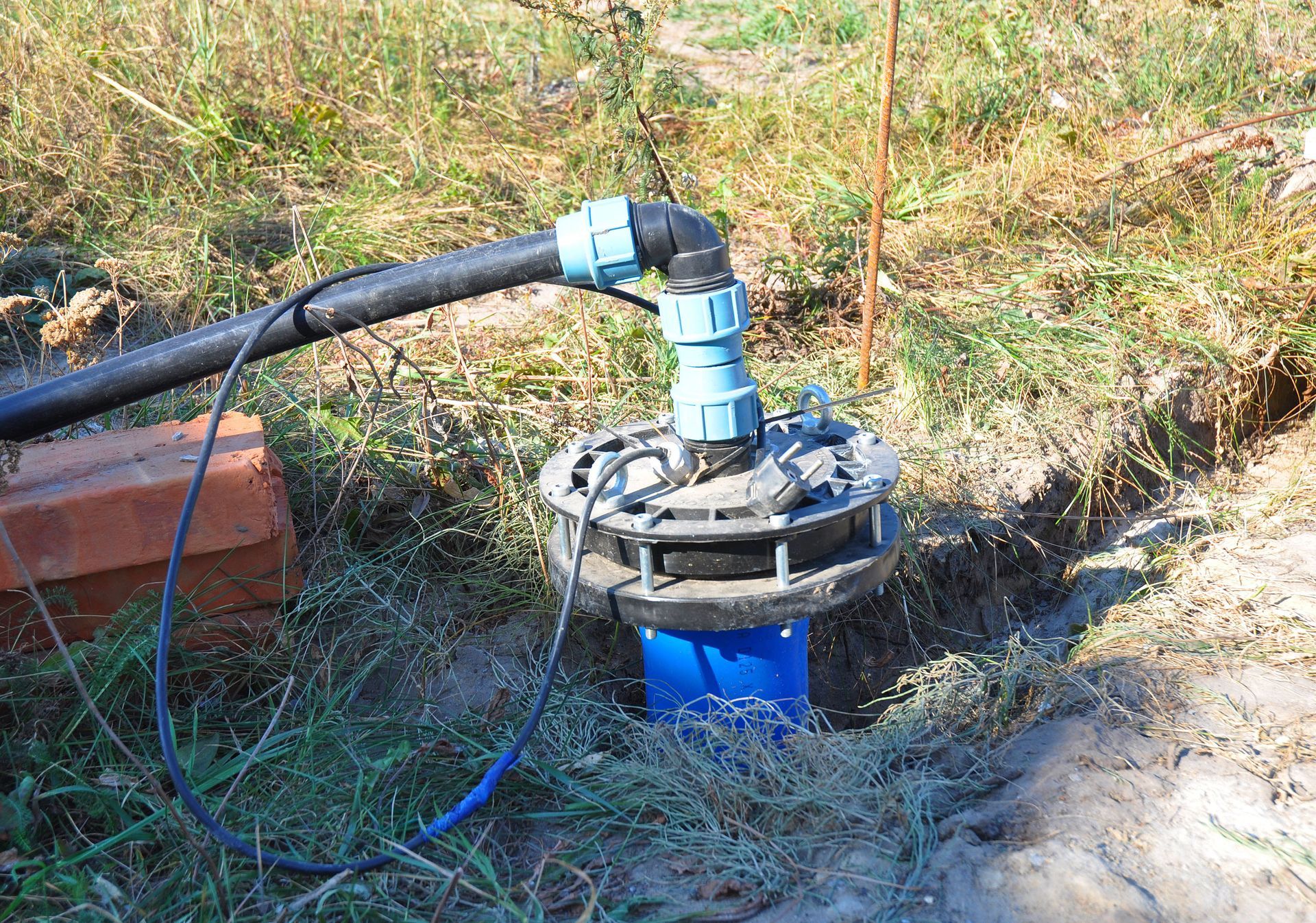
The depth of the water source is another critical factor influencing pump selection. Shallow wells may require different configurations than deep wells, as the distance water must travel directly impacts energy requirements and system design. Submersible configurations are often used in deeper applications because they allow well pumps to operate more efficiently under increased pressure conditions.
In addition to depth, professionals evaluate water quality characteristics such as mineral content and sediment levels. These factors can influence wear rates and determine whether additional filtration or protective components are needed. A system designed without considering these variables may experience reduced efficiency or increased maintenance needs over time.
Pressure Systems and Equipment Compatibility
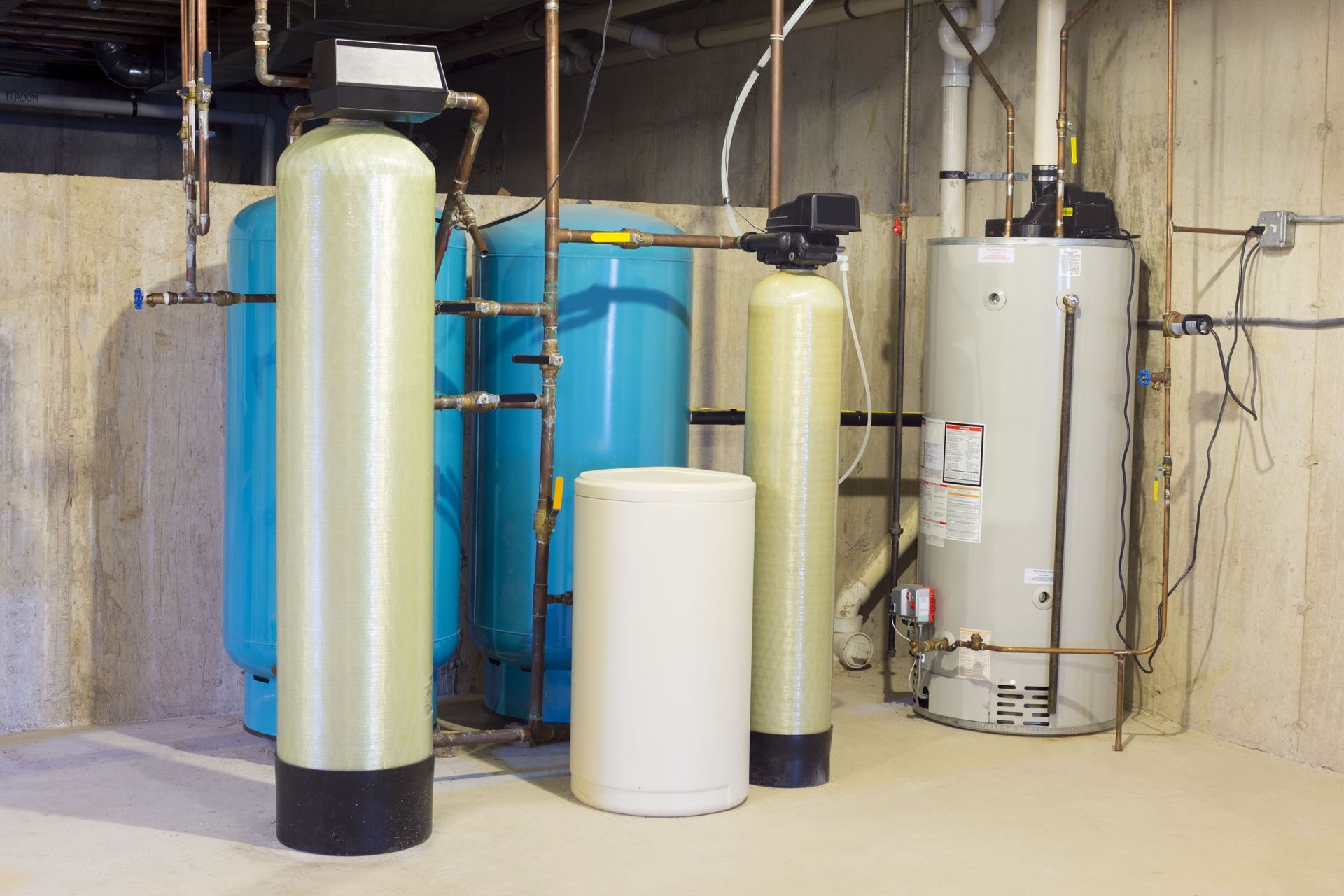
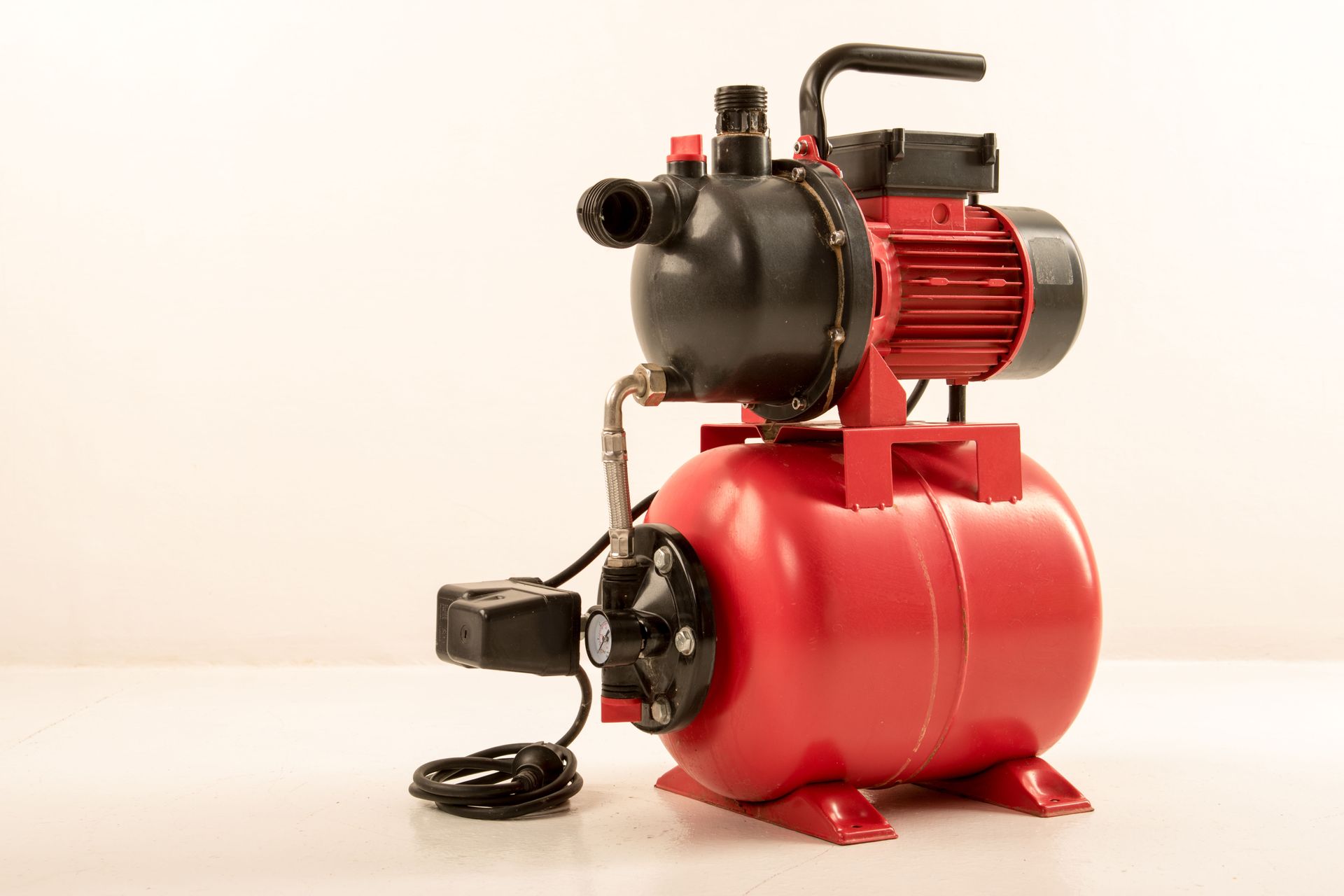
A well-functioning water system depends on more than just the pump itself. Pressure tanks, piping, and control components must all work together to maintain consistent performance. When pumps are installed, professionals carefully evaluate compatibility with existing or newly installed pressure systems to prevent issues such as short cycling or pressure instability.
An improperly matched pressure tank, for example, can cause the pump to turn on and off too frequently, leading to unnecessary wear. Similarly, mismatched pipe sizing can restrict flow and reduce overall efficiency. Ensuring system compatibility helps maintain steady pressure, reduces mechanical stress, and extends the operational life of all connected components.
3. Proper Installation Practices and Lifecycle Planning
Precise Installation and System Calibration
Proper installation is essential for ensuring that well pumps operate efficiently from the beginning of their service life. This includes accurate placement, secure mounting, and careful calibration of system components. Even minor installation errors can lead to long-term performance issues such as vibration, noise, or uneven pressure distribution.
Technicians typically test system output during installation to verify that pressure levels meet expected standards. Adjustments are made as needed to ensure smooth operation and balanced performance. This process helps confirm that the system is functioning correctly before it is placed into regular use.
Routine Maintenance and Performance Monitoring
Ongoing maintenance plays a significant role in extending the lifespan of well pumps. Over time, natural wear, sediment buildup, and changing water demand can affect performance. Regular inspections help identify early signs of inefficiency, such as fluctuating pressure or unusual cycling behavior.
Maintenance activities often include checking electrical connections, evaluating pressure consistency, and inspecting surrounding system components. These evaluations help ensure that small issues are addressed before they develop into larger system failures.
System Longevity and Replacement Considerations
Even well-maintained systems eventually reach a point where replacement becomes more practical than continued repair. As water well pumps age, efficiency may decline, and repair frequency may increase. When this occurs, professionals evaluate whether upgrading the system would provide better long-term value.
Factors such as increased household demand, outdated components, or repeated service issues often influence this decision. Modern replacement systems may offer improved reliability and better alignment with current water usage needs, reducing the likelihood of future disruptions. For professional evaluation and dependable installation support, it is always best to work with experienced specialists who understand the full scope of well system performance.
Installing a dependable groundwater system requires careful attention to environmental conditions, system demand, and long-term operational planning. Each of these factors plays a direct role in how well pumps perform and how reliably they deliver water over time. When properly selected and installed, these systems provide consistent pressure, stable flow, and reduced maintenance concerns.
From regulatory placement requirements to hydraulic sizing and ongoing maintenance strategies, each stage of planning contributes to overall system success. By addressing these considerations early, property owners can support a more efficient and durable water supply system that meets both current and future needs. For more information on expert water well and pump installation, reach out to Dana's Wells!