April 23, 2026
Professional water well services are essential for maintaining a reliable source of clean water for residential, agricultural, and industrial needs. This article will explore the various facets of these services, from initial assessments to ongoing maintenance, providing a comprehensive understanding of the expectations and benefits associated with these offerings.
Understanding the intricacies of these services is crucial for anyone relying on groundwater for daily operations. From site assessments to advanced technology, each component of water well service demands careful consideration.
Conducting Initial Site Assessment and Consultation
Analyzing the customer’s water needs is a foundational aspect of professional water well service. A detailed understanding of residential, agricultural, or industrial water consumption patterns allows for precise well sizing. This process involves accounting for daily usage, seasonal variations, and potential growth in water demand over time. Professionals work closely with clients to establish accurate estimates, providing that the constructed well effectively meets both current and future water requirements. Such assessments prevent under- or over-designing, optimizing both cost and efficiency.
Performing Geological and Hydrological Surveys
Geological and hydrological surveys are pivotal in the initial phase of water well development. By employing advanced methodologies, these surveys assess the geological makeup and water availability of specific sites. Detailed evaluations of soil layers, rock formations, and potential aquifers are conducted to determine the most effective drilling approach. This data helps professionals understand water flow patterns and identify potential challenges that may arise during
construction.
Navigating Environmental and Regulatory Considerations
Environmental and regulatory factors are integral to the planning and execution of water well projects. Professionals must navigate a complex landscape of local, state, and federal regulations to secure necessary permits. This involves understanding zoning laws, groundwater protection guidelines, and environmental conservation mandates. Proper adherence to these regulations not only prevents legal issues but also promotes sustainable water resource management. Aligning projects with environmental objectives contributes to the overall well-being of surrounding ecosystems in the United States.
Developing Budget and Cost Estimation
Developing a comprehensive budget and cost estimation framework is essential for the successful execution of water well projects. Site-specific parameters such as depth, geological conditions, and required infrastructure are meticulously evaluated to generate accurate cost estimates. This detailed budgeting process allows clients to plan financially and avoid unexpected expenses during construction. Transparent cost estimation also fosters collaboration between clients and service providers. Through careful financial planning, potential delays or disruptions can be minimized.
Establishing Timeline and Project Planning
Project planning and establishing a timeline form the backbone of any well-executed water well service. The timeline outlines each stage of the project, from site assessment to drilling and eventual maintenance. Synchronizing all tasks requires a meticulous approach to project management, accounting for various factors such as weather, availability of resources, and potential geological challenges. Professionals focus on identifying and mitigating delay factors. Transparent communication and regular updates between providers and clients further enhance the success of project planning.
Executing Well Drilling and Construction
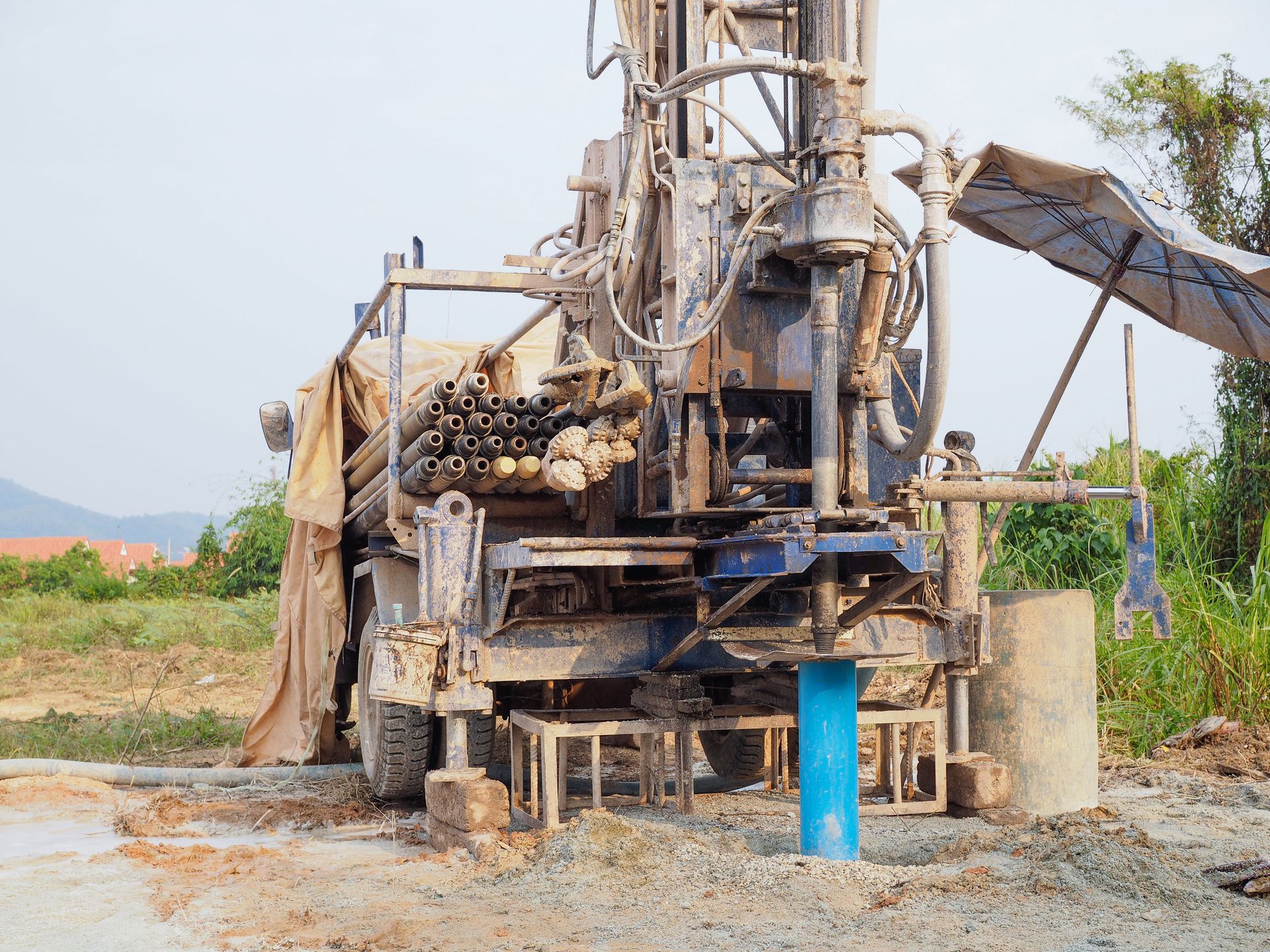
Choosing the appropriate drilling technique is vital for a successful project. Options such as rotary, percussion, and cable tool drilling offer varied benefits depending on geological conditions. Rotary drilling, for instance, is suitable for deeper wells with stable rock formations. Meanwhile, percussion and cable tool methods are ideal for softer soils, minimizing the risk of borehole collapse. Experienced professionals assess these techniques based on site characteristics to select the optimal approach.
Implementing Safety Measures and Protocols
Safety measures and protocols are paramount during the well-drilling and construction phase. Professionals adhere to strict industry guidelines to protect workers and maintain site integrity. By implementing comprehensive risk assessments and safety plans, potential hazards such as equipment mishaps and exposure to hazardous materials are effectively mitigated. The use of personal protective equipment further enhances worker safety. Prioritizing safety not only prevents harm but also avoids project delays and legal issues.
Focusing on Borehole Development and Design
Borehole development and design are critical components of a successful water well project. This process involves meticulous planning regarding depth, diameter, and geological conditions. Properly designing the borehole supports optimal water yield and long-term sustainability. Selecting suitable casing materials and screens is essential to prevent contamination and maintain water quality. According to data provided by This Old House, submersible pumps are capable of operating in wells reaching depths of up to 300 feet, which can influence the design specifications of deeper units.
Managing Pump System Installation
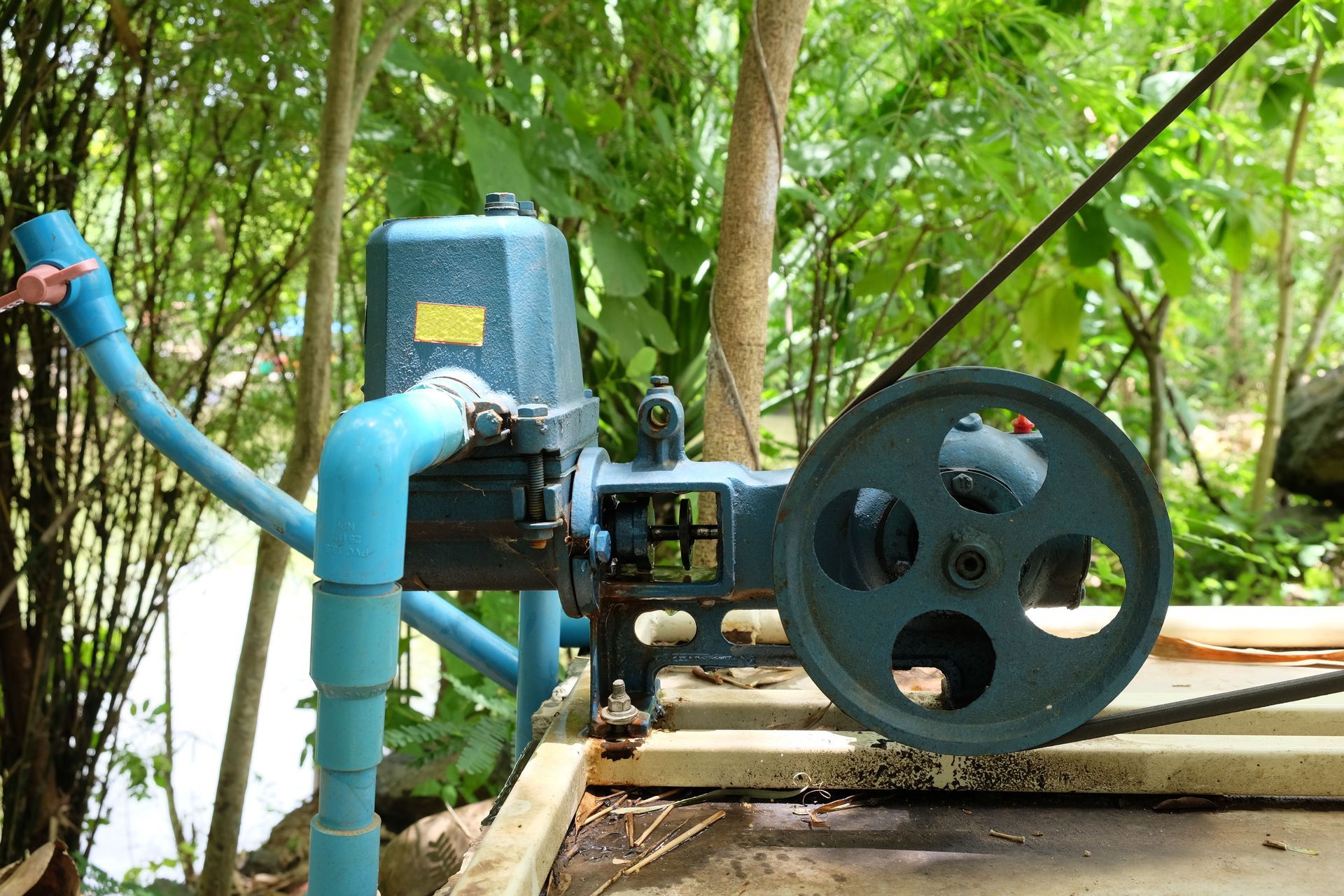
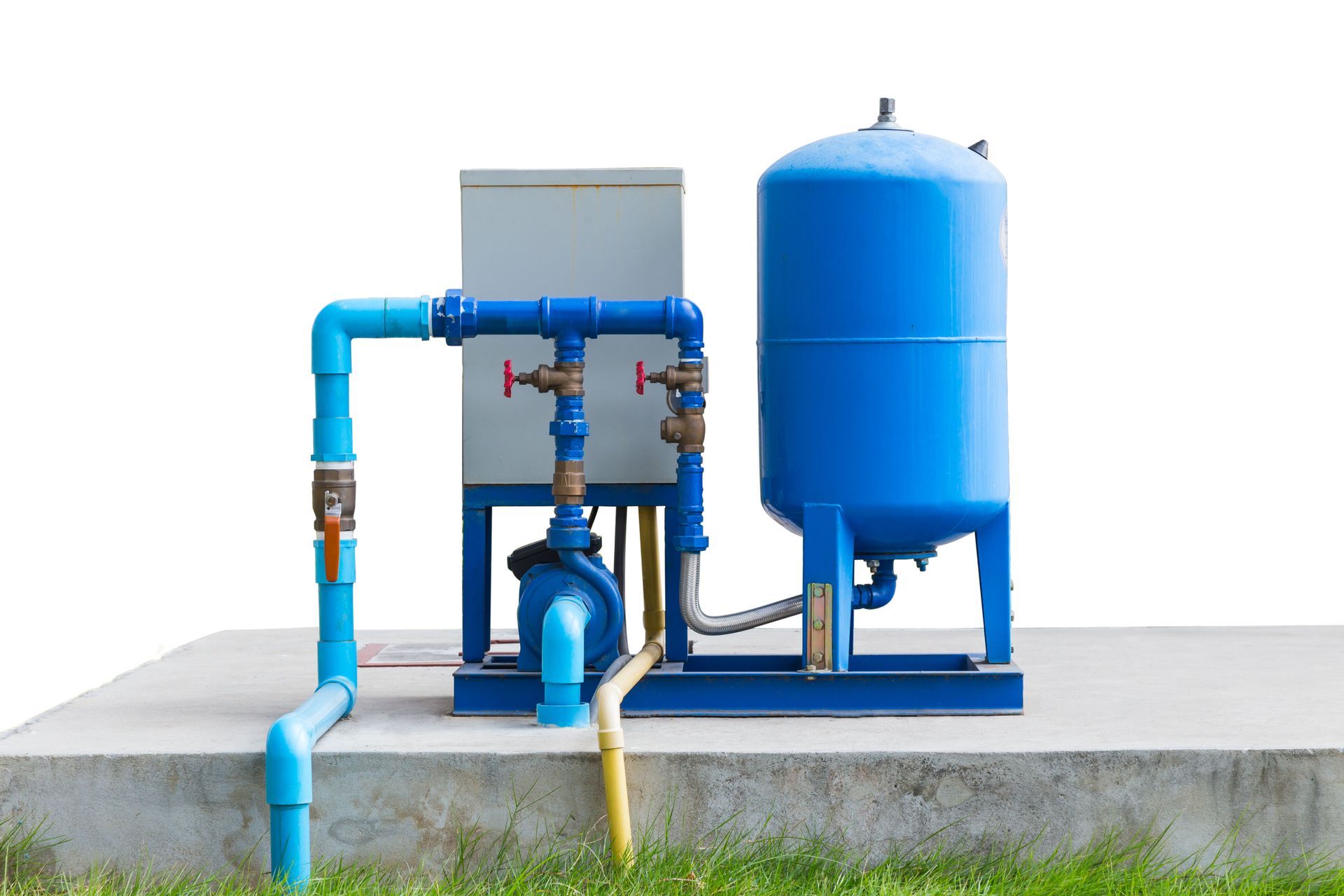
The installation of the pump system is a fundamental step in the construction process, dictating the efficiency and reliability of the water supply. Choosing the right pump type, such as submersible or jet pumps, is essential based on the well depth and intended usage. Submersible pumps are ideal for deeper wells, providing consistent water flow. Proper installation involves aligning the pump’s capacity with the borehole’s yield to support performance. Incorporating features like check valves and pressure tanks can enhance system functionality.
Performing Testing and Initial Quality Checks
After completing construction, testing, and conducting an initial water quality check, it is vital to verify that the well meets regulatory standards. Professionals assess water output, flow rate, and quality using standardized tests to detect any impurities. Compliance with local and federal regulations in the U.S. is paramount, providing the water is safe for consumption and meets environmental guidelines. This testing phase also provides valuable benchmarks for ongoing monitoring. Through rigorous testing, any issues are identified and addressed promptly.
Providing Regular Maintenance and Inspection
Scheduled preventive maintenance is a cornerstone of effective water well management. Regular maintenance tasks, including pump checks and system inspections, ensure that the well's components function as intended. Identifying issues early on prevents expensive repairs and prolongs the well's operational lifespan. By adhering to a strict maintenance schedule, professionals can mitigate potential problems before they escalate. This approach enhances the overall reliability of the water supply, providing clients with a consistent and dependable source.
Identifying and Addressing Common Issues
Experienced professionals are proficient in diagnosing and resolving common issues that can arise in well systems. Problems like reduced water flow and mechanical failures demand prompt attention to prevent disruptions. By employing advanced diagnostic tools, professionals can efficiently determine the root causes of these issues. Timely interventions provide that the well operates smoothly and maintains performance. Understanding typical challenges equips providers with the knowledge to educate clients on preventing future occurrences.
Offering Emergency Services and Repairs
Emergency services and repairs are essential offerings provided by professional water well service companies. In the event of sudden system failures or disruptions, timely intervention is crucial to minimize downtime. Professionals equipped with the necessary expertise and tools can quickly diagnose and address emergencies, restoring the well's operation efficiently. Having access to reliable emergency services provides clients with prompt assistance, reducing the impact of unexpected issues.
Professional water well service is the key to maintaining a safe, efficient, and long-lasting water supply. From the initial geological surveys to the integration of modern smart monitoring systems, every step in the process requires professional skill and attention to detail. By investing in regular maintenance and choosing high-quality construction methods, you support the health of your family and the efficiency of your operations for years to come.
If you are ready to secure your water future with a team that values quality and precision, contact Dana's Wells today. We provide comprehensive solutions to keep your system running at its peak, offering the expert water well service your property deserves.