May 4, 2026
Access to a reliable water source is one of the most important considerations for any property owner. Whether you are building a new home, upgrading an existing system, or seeking independence from municipal water, investing in a private well can offer long-term benefits. However, before moving forward with well installation, it is essential to understand the process, requirements, and long-term responsibilities that come with it.
Drilling a water well is not a simple undertaking. It involves careful planning, professional expertise, and a strong understanding of environmental conditions. Each decision, from where the well is placed to how it is constructed, can impact the performance and safety of your water supply. Without proper preparation, property owners may face unexpected challenges that affect both cost and reliability.
Taking the time to learn about the process ensures you are better equipped to make informed decisions. When approached correctly, a well can provide consistent, high-quality water while supporting your long-term goals for your property. Below are key considerations that will guide you through what to expect before starting your well installation project.
1. Understanding Site Selection Matters
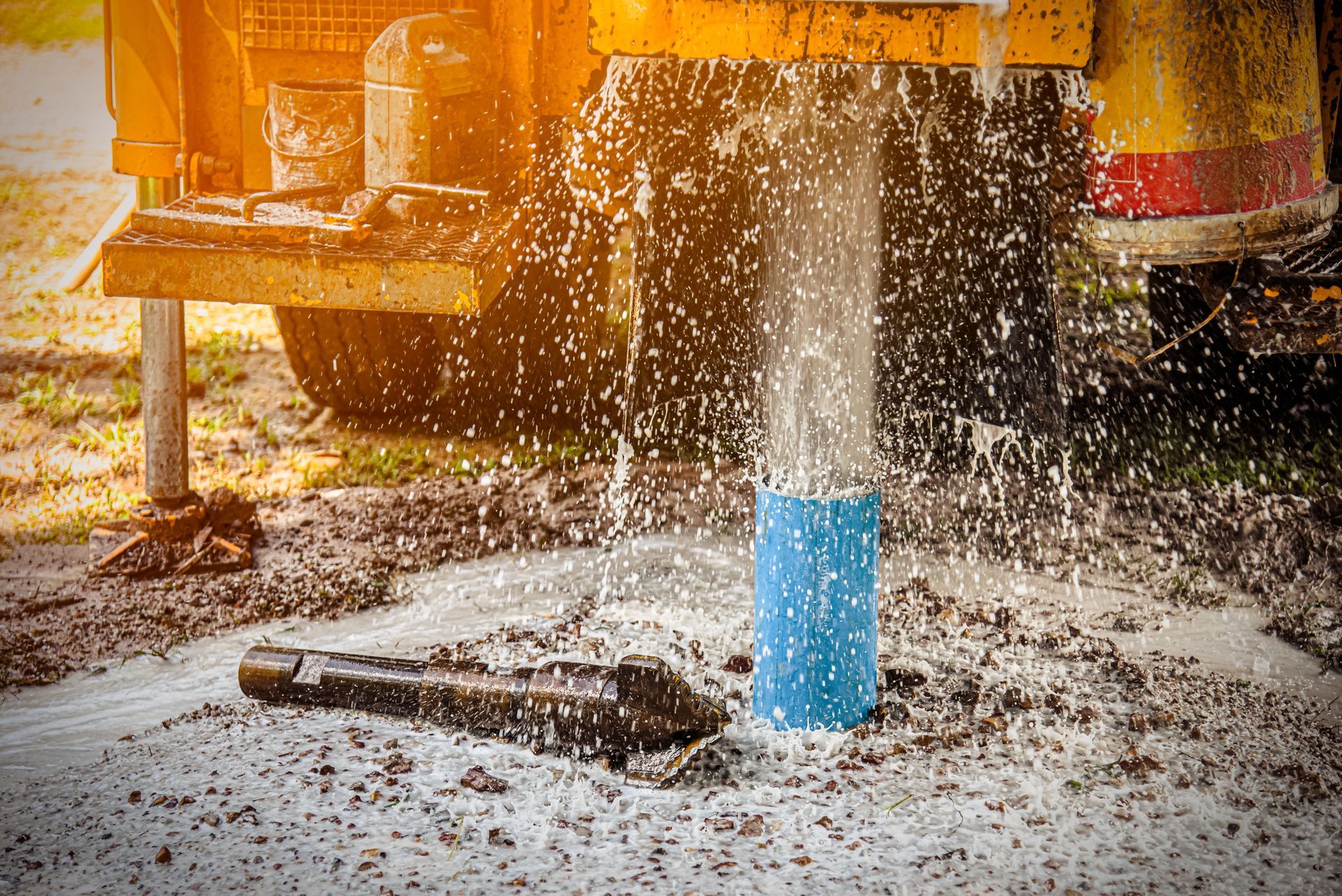
Selecting the right location for your well is one of the most critical steps in the entire process. The placement directly influences water quality, system efficiency, and long-term sustainability. Professional contractors carefully evaluate geological conditions, soil composition, and groundwater availability to determine the best possible site.
A properly chosen location reduces the risk of contamination and ensures a steady water supply. Wells must be positioned away from septic systems, drainage areas, and other potential pollutants. Even small environmental factors, such as slope or runoff patterns, can impact how water moves underground.
Accessibility is another important factor. The well site should allow room for drilling equipment, as well as future maintenance or repairs. A poorly placed well can make servicing difficult and costly over time. By prioritizing site selection, you lay the groundwork for a successful well installation that will perform reliably for years.
2. Knowing Local Regulations Is Essential
Well installation is governed by local and regional regulations that are designed to protect water sources and ensure safe construction practices. These regulations often include permitting requirements, inspection processes, and guidelines for how wells must be built and maintained.
Property owners must comply with rules regarding well depth, casing materials, and distances from nearby structures or environmental hazards. These standards are in place to prevent contamination and ensure that groundwater resources are used responsibly.
Navigating these requirements can be complex without professional guidance. Experienced contractors understand the legal landscape and can manage the permitting process on your behalf. This helps avoid delays, ensures compliance, and keeps your project moving forward efficiently.
Failing to follow regulations can lead to serious consequences, including fines or the need for costly corrections. Understanding and respecting these requirements is a vital part of any well installation project.
3. Evaluating Water Quality and Supply
Before drilling begins, it is essential to assess both the quality and availability of groundwater in your area. Not all water sources are suitable for consumption, and some may require treatment to meet safety standards.
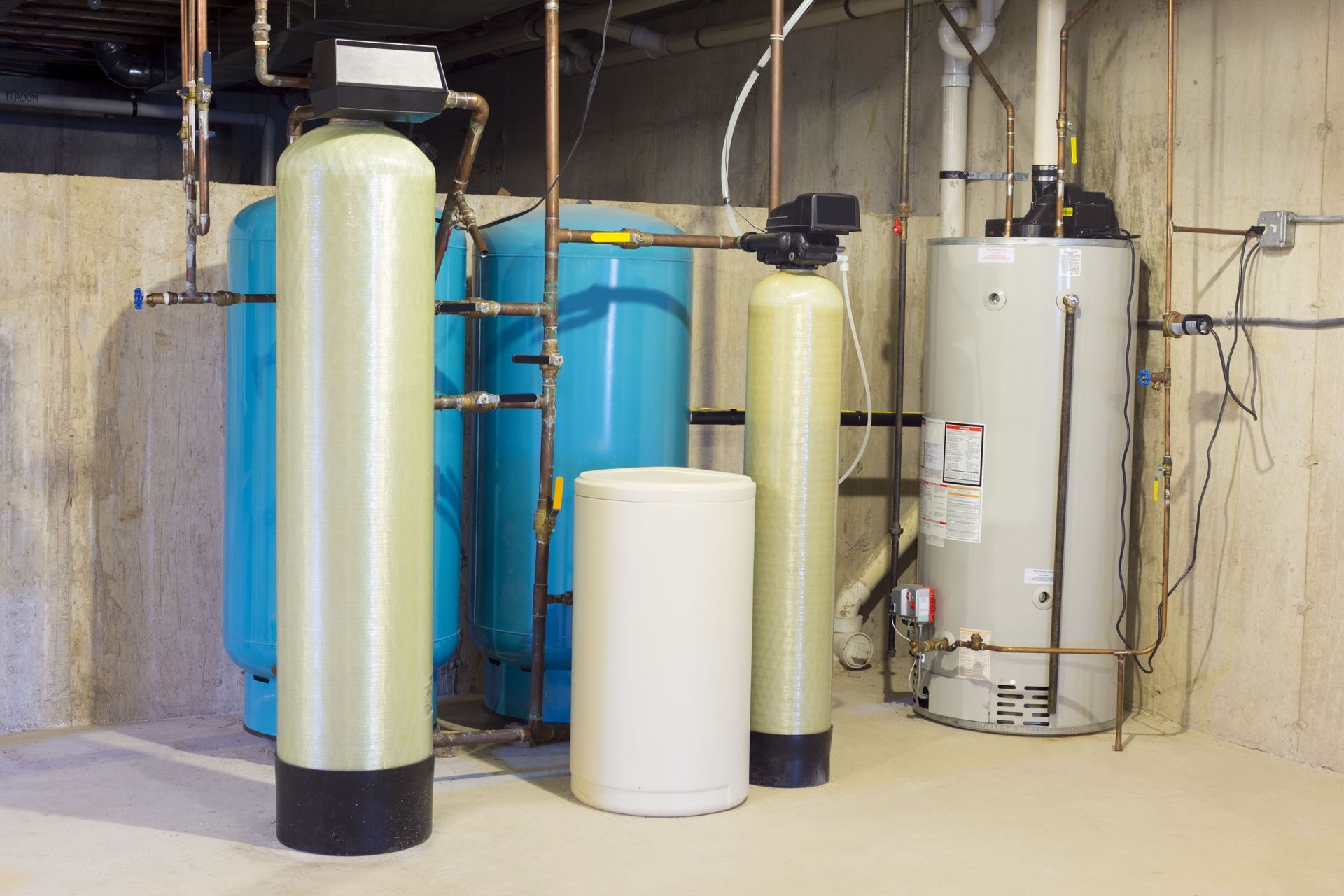
Water testing provides valuable insights into factors such as mineral content, clarity, and potential contaminants. These results help determine whether filtration or treatment systems will be needed to ensure safe usage. Addressing these considerations early helps prevent issues after the well is operational.
Equally important is evaluating the reliability of the water supply. A well should provide consistent access to water throughout changing conditions. Geological surveys and local data offer a clearer picture of groundwater levels and expected performance.
Understanding both quality and supply allows you to plan for a system that meets your household's needs while maintaining safety and efficiency. This step is a cornerstone of successful well installation.
4. Considering Equipment and System Components
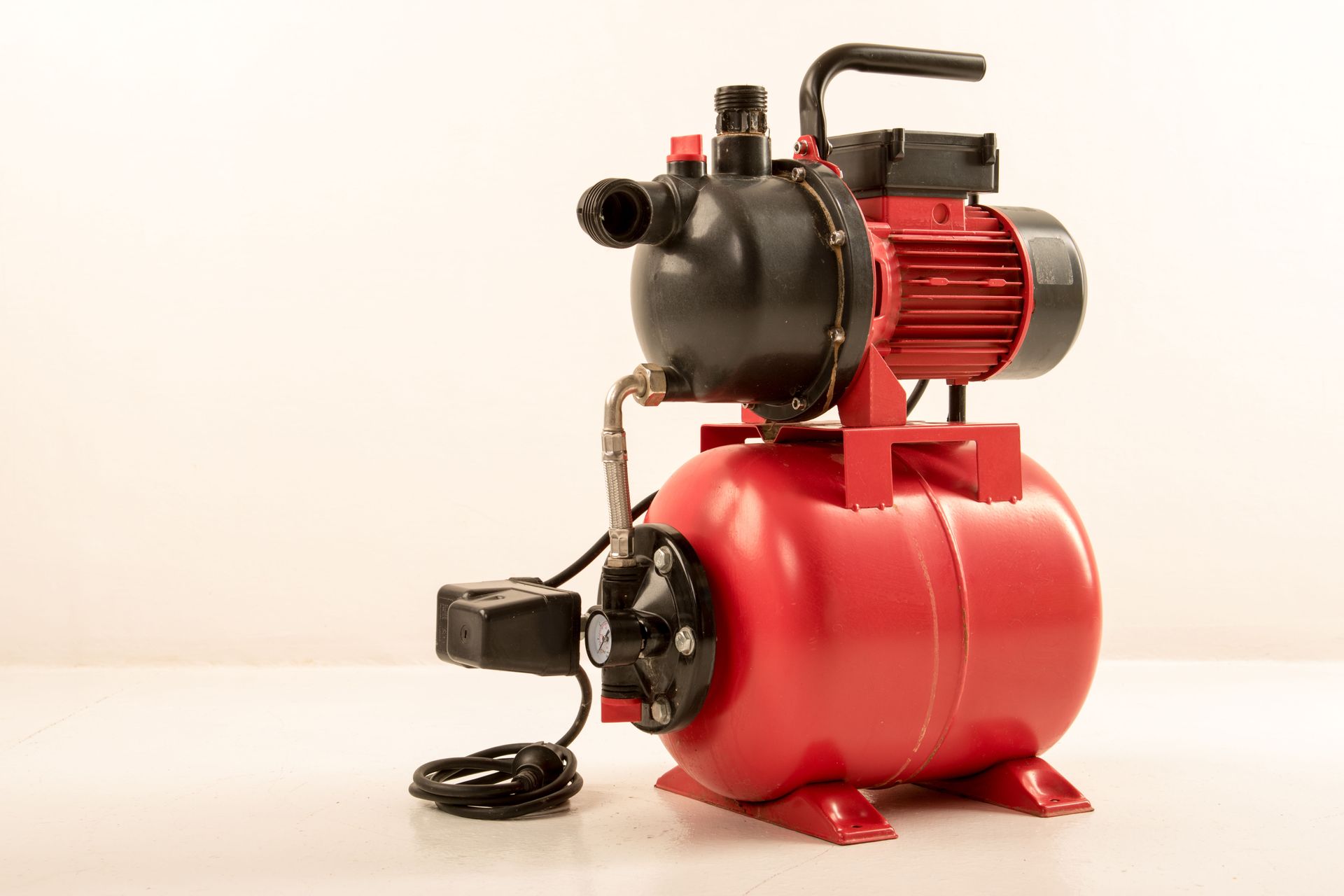
A water well system is made up of multiple components that must work together seamlessly. Beyond the drilling itself, the system includes pumps, pressure tanks, piping, and electrical connections. Each part plays a role in delivering water efficiently and consistently.
Selecting the right equipment depends on factors such as depth, water demand, and property layout. Professionals design systems that align with your specific needs, ensuring that every component functions properly within the overall setup.
Quality materials and expert installation are essential for long-term performance. Poorly chosen equipment or improper installation can lead to inefficiencies, breakdowns, and increased maintenance costs. Investing in the right system from the beginning helps avoid these issues.
Understanding how these components interact provides a clearer picture of the complexity involved in well installation and reinforces the importance of professional expertise.
5. Planning for Long-Term Maintenance
A well is not a one-time project—it is an ongoing responsibility. Regular maintenance is necessary to ensure that your system continues to operate safely and efficiently over time. Without proper care, issues such as contamination, reduced water flow, or equipment failure can arise.
Routine inspections help identify potential problems early. Water testing ensures that your supply remains safe for use, while system checks keep all components functioning as intended. Addressing small concerns before they become major issues can save both time and money.
According to Family Handyman, a water well typically lasts between 20 and 50 years, which highlights the importance of consistent maintenance in preserving its longevity and performance.
Planning for maintenance from the start allows you to protect your investment and maintain a dependable water source. A proactive approach ensures that your well installation continues to deliver value over the long term.
6. Recognizing the Value of Professional Expertise
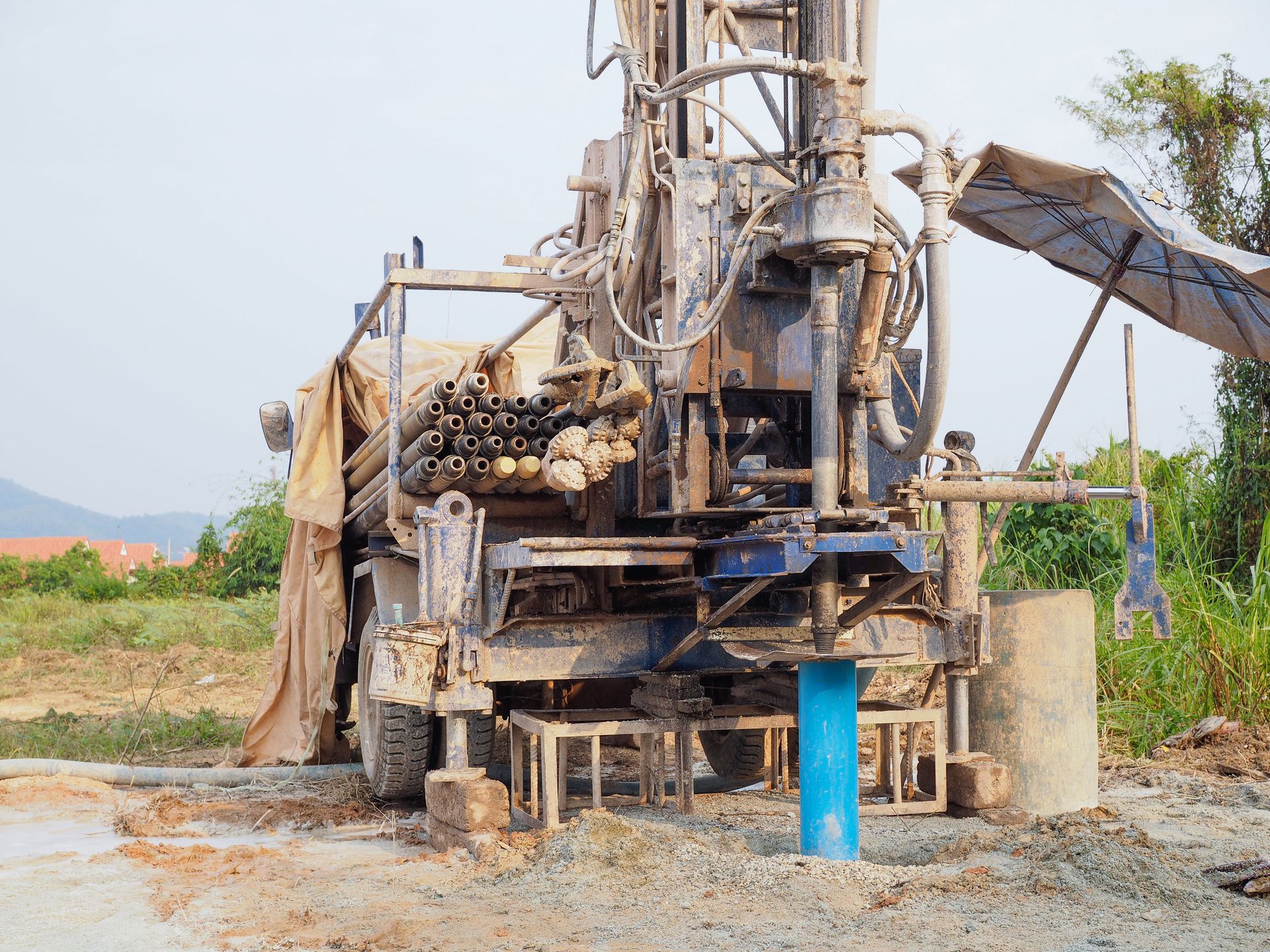
Drilling a water well requires specialized knowledge, advanced equipment, and a deep understanding of environmental factors. It is not a process that can be approached without proper training and experience. Attempting to handle any aspect without professional support can lead to serious complications.
Experienced contractors bring expertise in geology, system design, and regulatory compliance. They use precise techniques to ensure accurate drilling and proper installation, reducing the risk of errors that could compromise your system.
Beyond technical skills, professionals provide guidance throughout the entire process. From initial planning to final testing, they help you make informed decisions and ensure that every step is completed correctly.
Choosing professional services for your well installation ensures that your system is built to last. It provides confidence that your water source will be safe, reliable, and efficient for years to come.
Drilling a water well is a significant investment that requires thoughtful planning and expert execution. From selecting the right location to maintaining the system over time, every step plays a role in ensuring success. By understanding these essential considerations, you can approach your project with clarity and confidence.
A well-designed system offers more than just access to water—it provides independence, reliability, and long-term value for your property. When each phase of the process is handled with care, the result is a dependable resource that supports your daily needs.
Taking the time to prepare and work with experienced professionals allows you to avoid unnecessary challenges and enjoy the full benefits of your well installation.
If you’re planning a well installation and want guidance you can trust, we’re here to help. At Dana’s Wells, we bring experience, precision, and care to every project we take on. Let us help you create a reliable water solution tailored to your property—reach out to us today to get started.