July 22, 2026
If your home relies on a private well for water, one of the most important decisions you'll make is selecting the right pump to keep water flowing reliably. A pump that's too small will leave you with weak pressure and frustrated family members, while one that's too large wastes energy and money. Whether you're building a new home or replacing an aging system, understanding the basics of well pump installation will save you time, money, and headaches down the road. Getting the sizing right from the start is the foundation of a dependable water supply.
Understanding the Types of Well Pumps
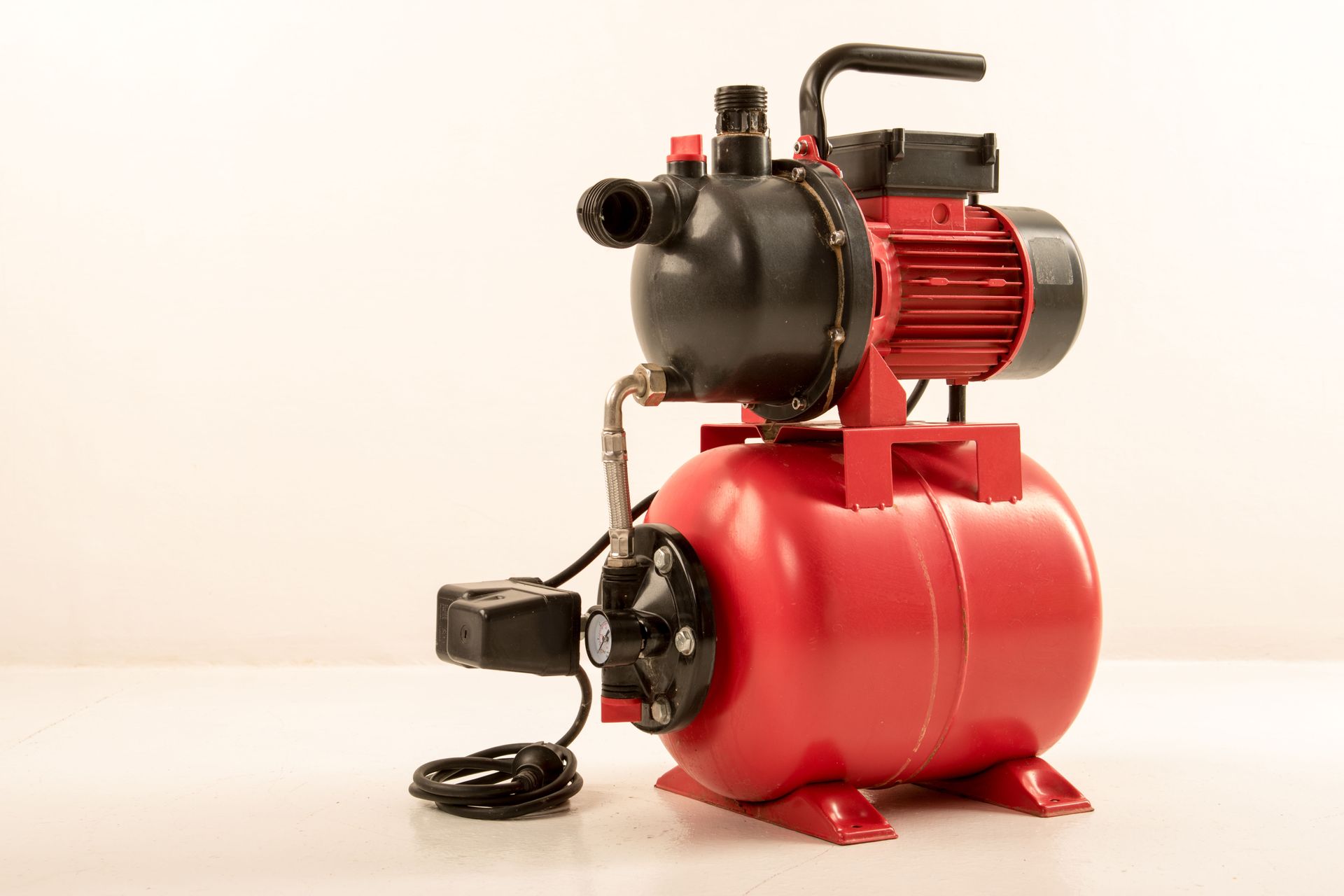
Before you can choose the right size, you need to understand what types of pumps are available and how they work. The two most common options for residential wells are jet pumps and submersible pumps, and each is suited to different well depths and household demands. Jet pumps are installed above ground and work best for shallow wells. Submersible pumps, on the other hand, are installed deep inside the well casing and are far more powerful. According to This Old House, submersible pumps can be used in wells reaching depths of up to 300 feet. Knowing your well's depth is therefore the essential first step before you even begin thinking about pump size.
Calculating Your Household's Water Demand
Once you know your well type, the next step is figuring out how much water your household actually uses daily. Plumbing professionals measure this in gallons per minute, or GPM, which reflects the peak flow rate your pump needs to deliver at any given time. In our experience, a general rule of thumb is to count the number of fixtures in your home — showers, toilets, faucets, dishwashers, washing machines — and multiply by approximately one GPM each. A family of four in a three-bedroom home will typically need a pump rated for at least eight to twelve GPM to avoid pressure drops during simultaneous water use. Properly calculating this demand is a critical part of any successful well pump installation and ensures your system can handle real-world usage without strain.
Factoring in Well Yield and Static Water Level
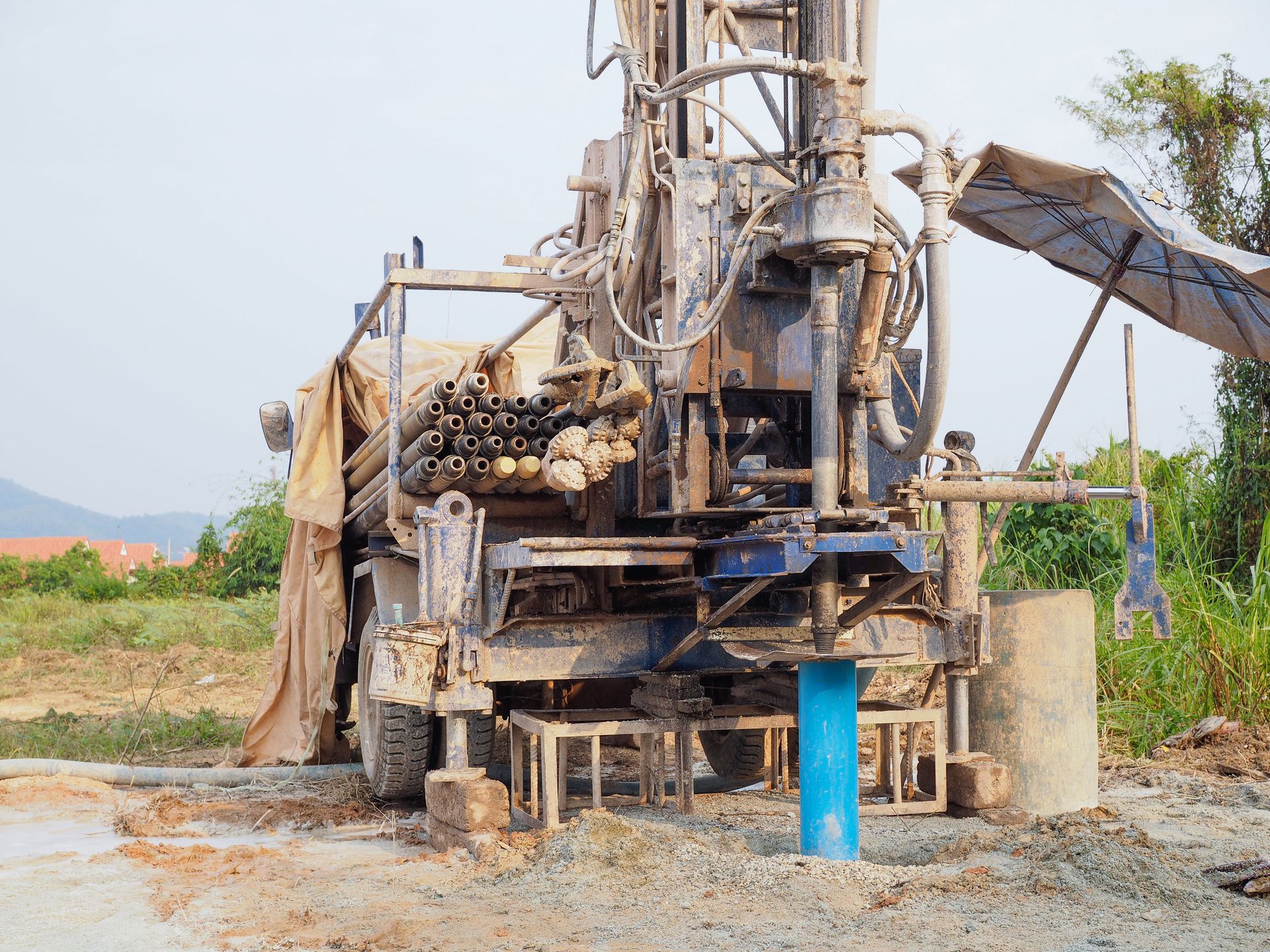
Your pump can only move water as fast as your well naturally replenishes it, which is why well yield is such an important sizing factor. Well yield refers to how many gallons per minute your aquifer can sustainably supply, and this number must meet or exceed your household's peak demand. If you install a pump that draws water faster than the well can recover, you risk running the pump dry, which can cause serious mechanical damage and costly repairs. You'll also want to consider the static water level — the natural depth at which water sits when the pump isn't running — since this affects the total dynamic head, or the pressure your pump must overcome to push water to the surface. Consulting a licensed well driller or contractor during your well pump installation will give you accurate yield and static level measurements to work with.
Matching Pump Horsepower to Your System's Needs
With your GPM requirement and well depth in hand, you can now match those numbers to the appropriate pump horsepower. We've seen residential well pumps typically range from one-third horsepower to over two horsepower, with the right choice depending on both the volume of water needed and the vertical distance it must travel. For shallow wells with modest demand, a half-horsepower pump may be perfectly adequate, while deep wells serving large families will generally require a one- or two-horsepower model, based on our observations. It's tempting to buy a larger pump "just in case," but oversizing creates problems of its own, including short cycling — where the pump turns on and off too rapidly — which wears out the pressure tank and motor prematurely. Every well pump installation should be sized specifically for the actual conditions of that property rather than on guesswork or one-size-fits-all assumptions.
Evaluating Pressure Tank Sizing
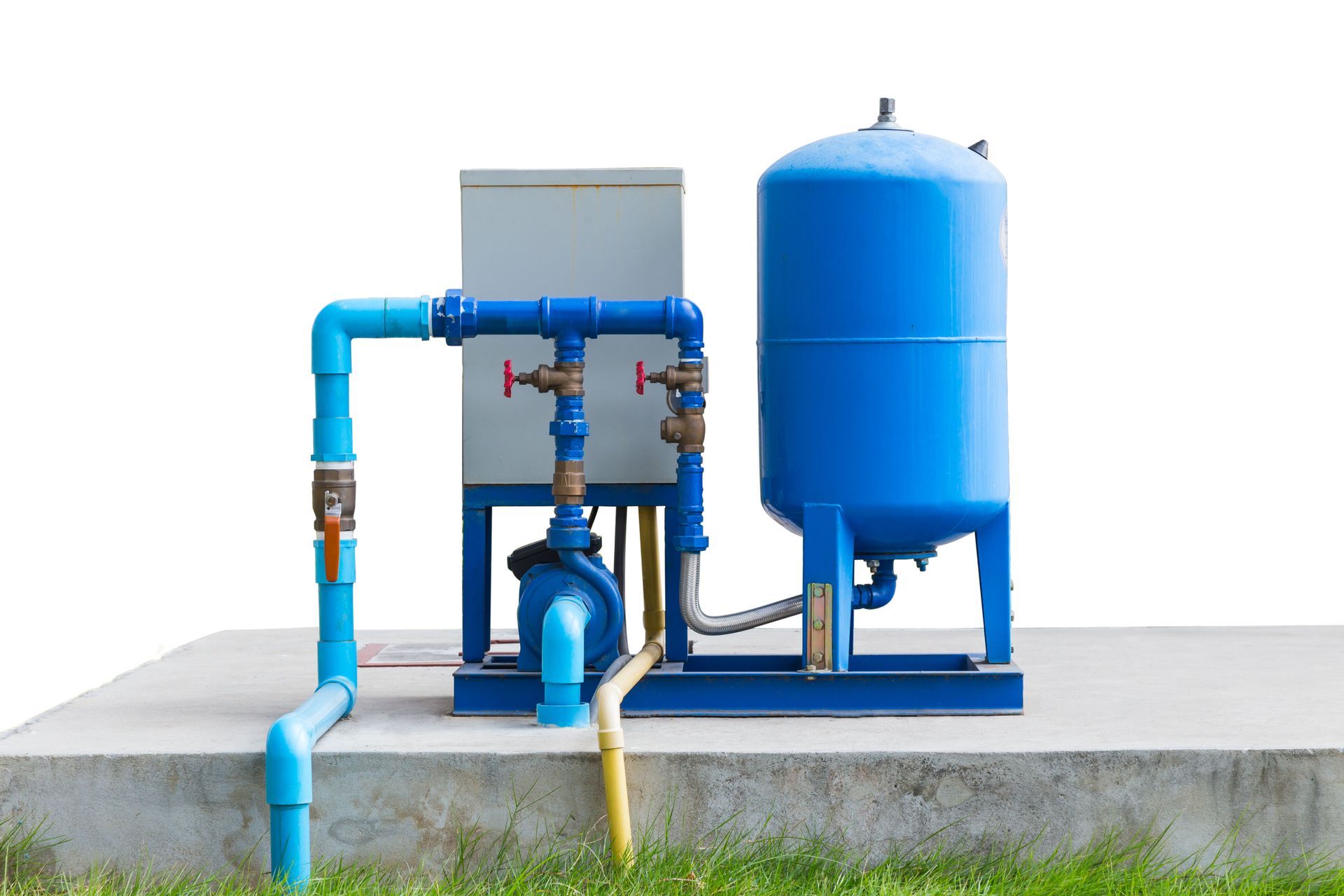
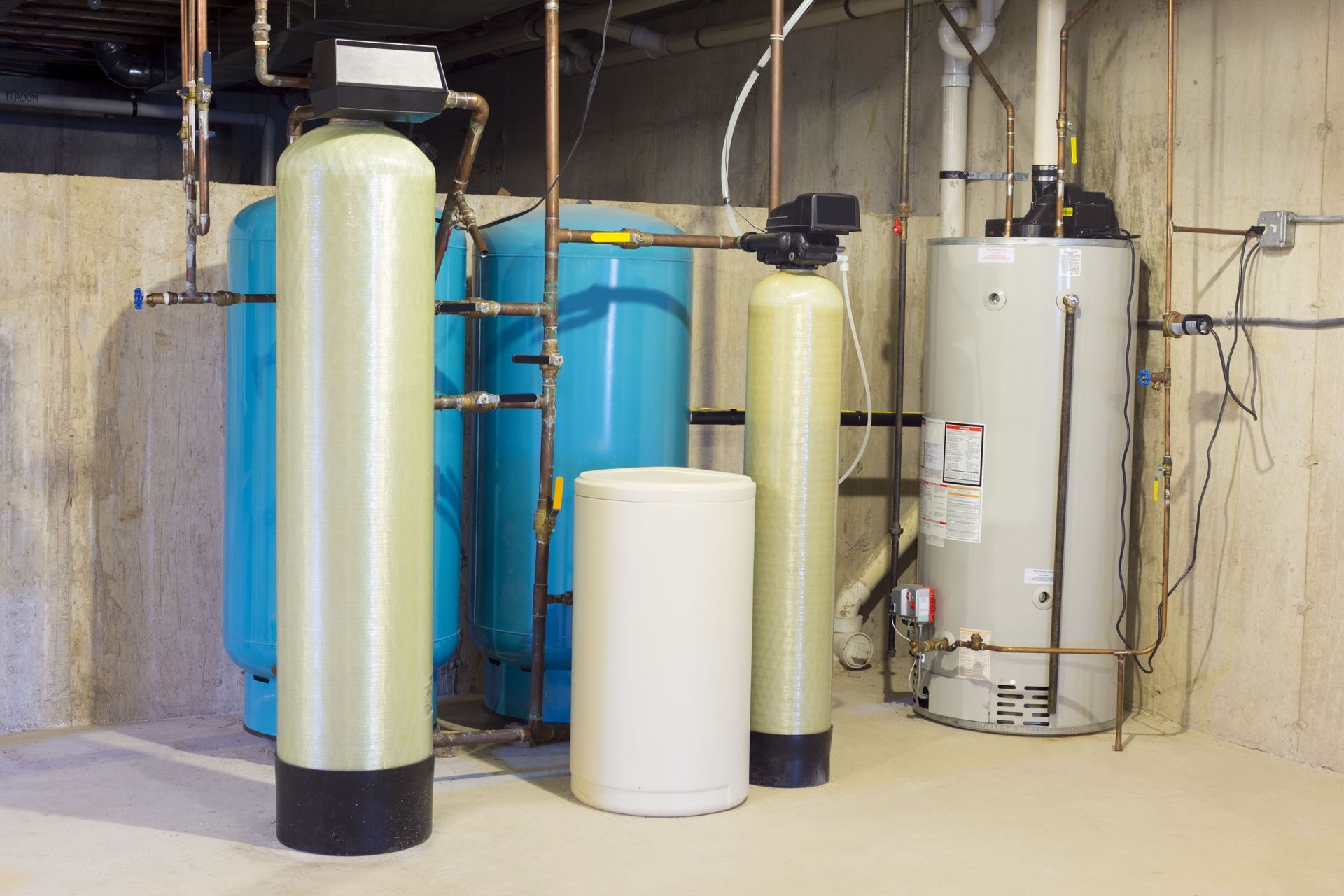
Many homeowners focus entirely on the pump itself and overlook the pressure tank, but the two components are deeply interconnected. The pressure tank stores water under pressure and acts as a buffer between pump cycles, preventing the motor from running constantly and wearing itself out. If your pressure tank is too small relative to your pump's output, you'll experience rapid cycling that dramatically shortens the life of both components. Tank sizing is typically expressed in gallons, and a good rule of thumb is to select a tank with a drawdown capacity — the usable water between pressure switch cut-on and cut-off — of at least one gallon per GPM of pump flow, from our expertise. Treating tank sizing as an afterthought during your well pump installation is one of the most common and costly mistakes homeowners make.
Identifying if Your Pump Is the Wrong Size
If you've recently moved into a home with a well or have been experiencing water issues for a while, it's worth evaluating whether the existing pump is properly sized for your needs. Low water pressure throughout the house, especially during peak usage times like morning showers, is one of the clearest signs that your pump is undersized or struggling. You might also notice the pump running almost continuously, which means it's working harder than it should and will fail sooner than expected. On the flip side, a pump that cycles on and off every few seconds is likely oversized relative to the pressure tank, creating wear that compounds over time. Scheduling a professional evaluation and, if necessary, a new well pump installation can resolve these issues and restore consistent, reliable water pressure to your home.
Considering Longevity and Energy Efficiency
Size isn't the only factor that matters when choosing a well pump — efficiency and durability play a major role in the long-term cost of ownership. Modern variable-speed pumps are significantly more energy-efficient than older single-speed models because they adjust their output based on real-time demand rather than running at full power constantly. While these pumps carry a higher upfront cost, many homeowners recoup that investment through lower electricity bills within just a few years. You should also consider the pump's materials and build quality, particularly if your water has high mineral content or acidity that can corrode components faster. Investing in a quality pump and a proper well pump installation from the start is far more economical than dealing with repeated repairs or early replacement.
Choosing the right size well pump for your home is not a decision to make casually or based solely on price. It requires a clear understanding of your well's depth and yield, your household's peak water demand, and how all of those factors interact with the pump's horsepower and your pressure tank. A properly sized system, paired with a professional
well pump installation, will deliver years of reliable performance and protect you from the frustration and expense of an undersized or oversized setup.
At Dana's Wells, we specialize in helping homeowners find exactly the right pump for their unique well conditions and household needs. We invite you to reach out to us for a free consultation, where our experienced team will assess your well, calculate your demand, and recommend the best solution for your home. Let us handle the details so you can enjoy dependable water pressure every single day. Contact us today and let's get started.