June 9, 2026
Homeowners relying on private groundwater systems face complex decisions regarding property maintenance. Accessing fresh water requires functioning mechanical components buried underground. Over time, these parts degrade due to exposure to moisture and earth. Recognizing the right moment to intervene prevents total system failure. Property owners must weigh various factors before making a significant investment in their infrastructure. Making a wise choice ensures uninterrupted access to essential resources.
Deciding between a minor fix and a complete overhaul involves evaluating performance metrics and financial implications. A malfunctioning unit causes immense disruption to household routines, from bathing to basic cleaning. Ignoring warning signs leads to catastrophic breakdowns and extensive property damage. Understanding the lifecycle of your well pump empowers you to make informed decisions. Proactive evaluation saves homeowners from unexpected expenses.
Evaluating the Signs of Mechanical Failure
An obvious indicator of mechanical trouble manifests through erratic water flow throughout the residence. Faucets sputtering air indicate an underlying issue demanding immediate attention. When air enters the plumbing lines, the system struggles to maintain consistent pressure. The motor strains to compensate for the lost vacuum seal. Such strain accelerates the deterioration of internal components, leading to inevitable breakdown.
Unusual noises originating from the pressure tank or switch point indicate severe mechanical distress. A healthy system operates with a subtle hum, imperceptible from the main living spaces. Grinding or clicking sounds suggest failing bearings or a malfunctioning relay switch. Ignoring these auditory clues guarantees a complete system collapse. Addressing noisy operation at the onset allows technicians to swap specific failing parts.
Sudden spikes in energy consumption highlight invisible inefficiencies within the subterranean machinery. When internal parts wear out, the motor draws excess electricity to deliver adequate water flow. Homeowners might notice escalating utility bills without changing their daily water usage habits. This electrical inefficiency signals a motor struggling against excessive friction or failing seals. Pinpointing the source of this power drain requires a thorough inspection.
Discolored or foul-tasting water indicates sediment intrusion or failing filtration mechanisms deep within the aquifer. Muddy water suggests the intake mechanism sits close to the bottom bedrock layer. A cracked casing allows surface contaminants to seep into the drinking supply. Contaminated water poses severe health risks and necessitates urgent intervention. Diagnosing water quality issues determines whether a patch suffices or if complete replacement proves necessary.
Assessing the Costs of Ongoing Maintenance
Frequent service calls deplete household budgets and cause mounting frustration. Paying for continuous minor fixes adds up, matching the price of a brand-new installation. Homeowners must track every repair invoice to understand the true financial cost of equipment ownership. Comparing historical repair costs against current replacement quotes provides a clear financial perspective. A constant stream of broken parts indicates an aging system.
Component availability plays a crucial role in deciding the appropriate course of action. Manufacturers discontinue older equipment models, making replacement parts scarce and expensive. Hunting obsolete components delays necessary fixes and prolongs uncomfortable water outages. If a required piece proves impossible to source, a full system upgrade becomes the viable option. Modernizing the equipment guarantees access to available parts for future service.
Labor expenses constitute a substantial portion of any subterranean plumbing project. Pulling a heavy well pump from deep underground requires specialized lifting equipment and considerable human effort. The time spent extracting, diagnosing, and reinstalling the unit costs money despite the outcome. Paying for extraction labor multiple times makes piecemeal repairs illogical. Investing in a durable new unit eliminates repetitive extraction.
Warranty coverage offers peace of mind and financial protection against premature equipment failures. New installations include comprehensive manufacturer warranties covering parts and labor. Patchwork fixes carry limited guarantees, leaving the homeowner vulnerable to subsequent mechanical breakdowns. Weighing the value of a comprehensive warranty against the risk of recurring problems simplifies the decision-making process. The security of guaranteed performance justifies the upfront investment.
Determining the Impact of System Age
Every mechanical device possesses a finite operational lifespan, despite meticulous upkeep and routine servicing. Groundwater extraction equipment endures harsh underground environments, battling mineral deposits and constant pressure. As years pass, robust materials succumb to corrosion and structural metal fatigue. Knowing the initial installation date provides a baseline for evaluating the remaining useful life. An older unit requires greater scrutiny when exhibiting declining performance.
Technological advancements render older equipment inefficient and obsolete compared to modern engineering standards. Contemporary models feature variable speed motors that optimize energy consumption and maintain steady pressure. Upgrading from an antiquated system introduces significant performance improvements and substantial power savings. Sticking with outdated technology means missing out on these substantial operational benefits. A modern installation enhances the overall efficiency of the distribution network.
Understanding the broader context of the entire groundwater infrastructure aids in making the right choice. The surrounding structural elements degrade alongside the core mechanical components. According to Family Handyman, a water well usually lasts between 20 and 50 years. Evaluating the casing, wiring, and pressure tank alongside the well pump ensures comprehensive system health. Replacing a minor part might not resolve complex structural issues.
Environmental shifts alter the underground water table, impacting the performance of aging extraction equipment. Prolonged droughts lower the static water level, forcing the machinery to work beyond its original design parameters. An older unit lacks the capacity to adapt to these changing subterranean conditions. Upgrading to a more powerful model compensates for a dropping water table and ensures consistent access. Adapting the equipment guarantees a stable source.
Understanding the Importance of Consistent Water Pressure
Adequate water pressure constitutes a fundamental requirement for comfortable modern living. Showers, dishwashers, and washing machines depend on a steady flow to function without issue. Fluctuating pressure ruins the bathing experience and leaves dishes dirty after a cleaning cycle. Weak flow indicates the subterranean machinery lacks the strength to push water against gravity into the home. Restoring optimal pressure transforms daily household activities and improves functionality.
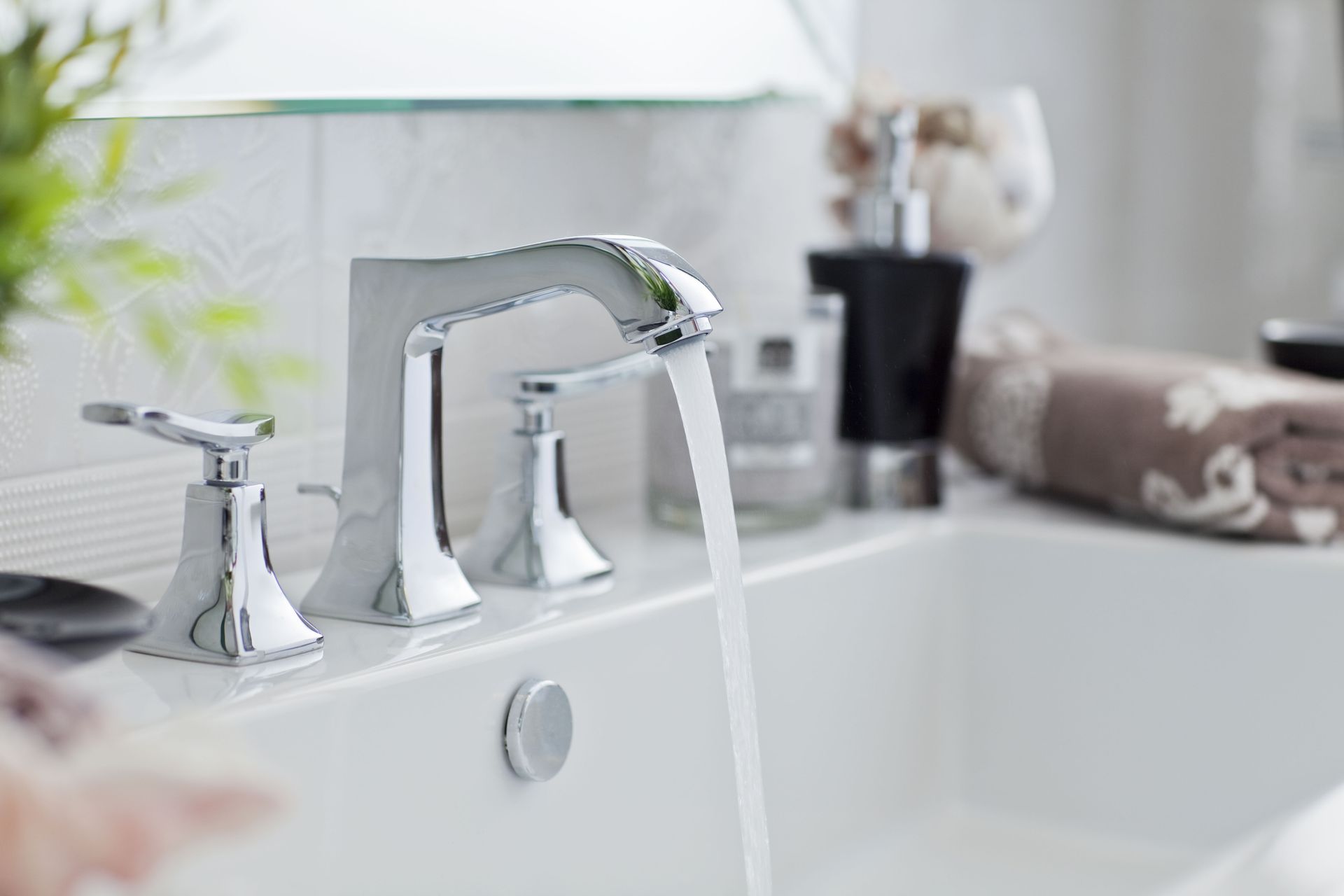
A sputtering faucet serves as a primary warning of diminished pumping capacity. The system struggles to maintain the pressure tank reserves, leading to noticeable drops in flow at the tap. This intermittent delivery strains the plumbing fixtures and frustrates inhabitants trying to complete basic chores. A failing well pump cannot keep up with peak demand. Addressing pressure drops restores harmony to the household network.
Consistent pressure prevents localized damage to internal plumbing networks. Drastic pressure surges stress pipe joints and valve seals, increasing the risk of indoor leaks and flooding. A malfunctioning switch or failing motor creates these dangerous fluctuations within the enclosed pipe system. A balanced and steady system protects the home interior from catastrophic water damage. Maintaining equilibrium safeguards the significant investment made in the infrastructure.
Property value correlates with the reliability of essential home utilities like the private water system. Prospective buyers scrutinize the water delivery infrastructure during real estate transactions. A documented history of constant repairs deters potential purchasers and lowers the final property sale price. A brand-new, high-performing unit serves as a strong selling point. Investing in durable water infrastructure yields dividends during property appraisals and ownership transfers.
Maintaining a private water source requires vigilance and a willingness to make critical infrastructure choices. Recognizing the line between a sensible fix and throwing money at a doomed machine is crucial for budget management. Homeowners must analyze flow rates, auditory signals, and financial outlays to determine the best path. Keeping a close eye on the performance metrics of your well pump prevents sudden disasters. A strategic approach to maintenance guarantees stability and residential comfort.
Securing a dependable water supply remains the primary objective for rural or semi-rural properties. Balancing the immediate costs of replacement against the prolonged agony of constant breakdowns requires careful thought and planning. Expert assessments offer valuable insight into the subterranean realities of the individual property. Taking decisive action when the machinery shows signs of terminal decline ensures a steady flow. Diligent oversight transforms a potential crisis into a manageable home improvement project. If you are experiencing water pressure issues or unusual system noises, reach out to Dana's Wells for a professional evaluation. Our experienced technicians will inspect your well pump to determine the most effective solution for your property.