April 3, 2026
In rural and suburban communities, water wells serve as a primary source of water supply, making their quality and sustainability a priority. Understanding the interplay between water well drillers and water quality testing involves delving into technological advancements and regulatory compliance. A reliable water well requires a strategic approach that balances technical skill with rigorous safety standards. Beyond the initial construction, ongoing monitoring plays a vital role in protecting the health of those who depend on these underground resources. Establishing a routine for both maintenance and evaluation helps homeowners identify potential risks before they impact the purity of the supply.
Analyzing Water Well Drilling
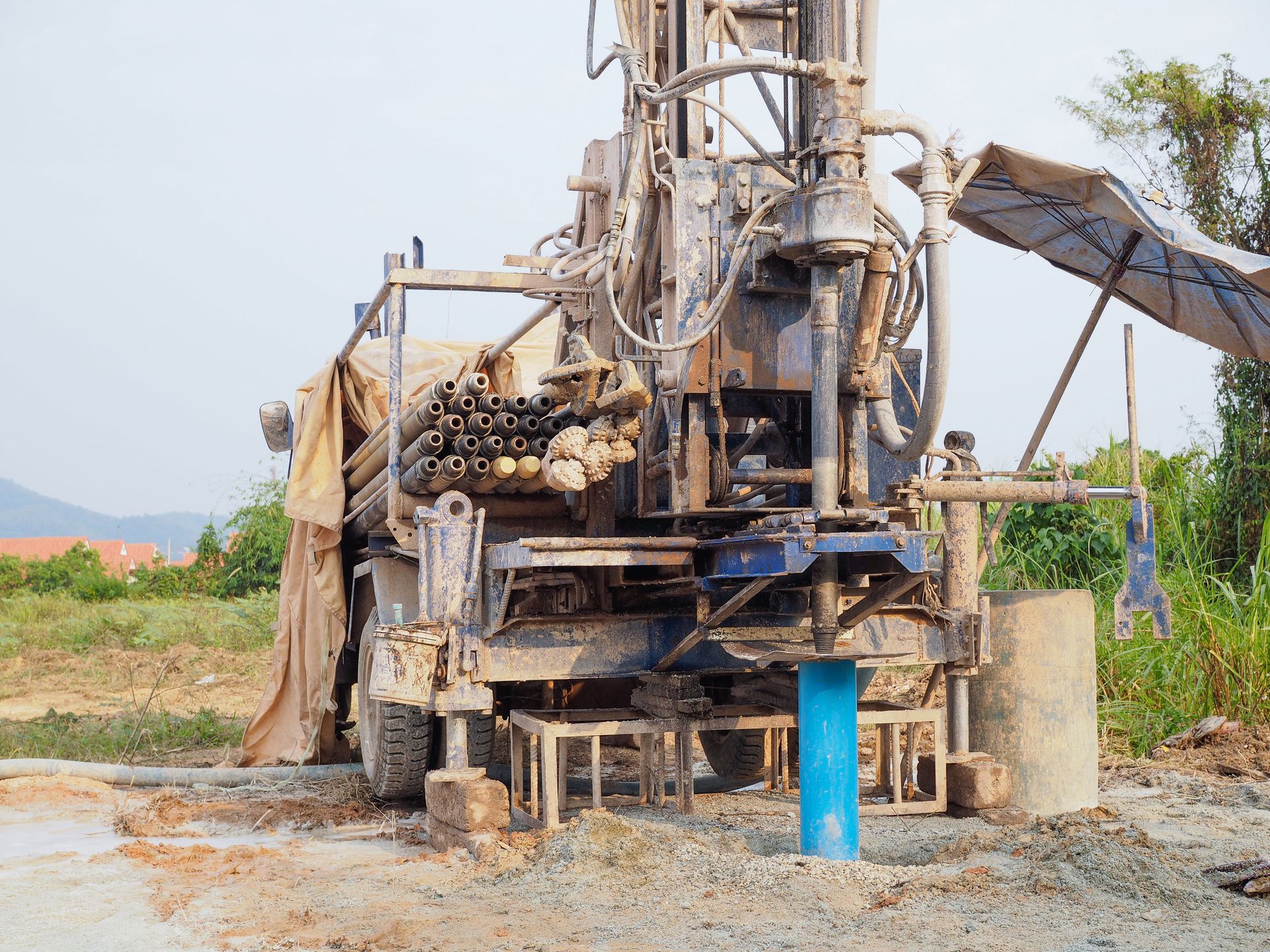
Water well drilling is the process of boring into the ground to access water in underground aquifers. This involves utilizing machinery and techniques that have evolved significantly over the years, allowing for more efficient and cost-effective drilling operations. Drilling requires precise planning and execution to maintain the well’s productivity and longevity. Moreover, the basic concept of tapping into aquifers remains unchanged, but the methods have become more sophisticated. According to Family Handyman, a water well tends to last anywhere between 20 and 50 years, which means careful drilling is imperative to prolonging the well's lifespan.
Water wells are classified into several types based on their construction and purpose, including dug, driven, and drilled wells. While dug wells created with simple tools are the most traditional, modern alternatives are increasingly replacing them because they are less susceptible to contamination. Driven wells and drilled wells have gained popularity due to their durability and superior water quality. Understanding these distinctions is crucial for selecting the right well type based on geologic conditions and water demand. Each type has its own set of advantages and considerations, catering to different needs and circumstances.
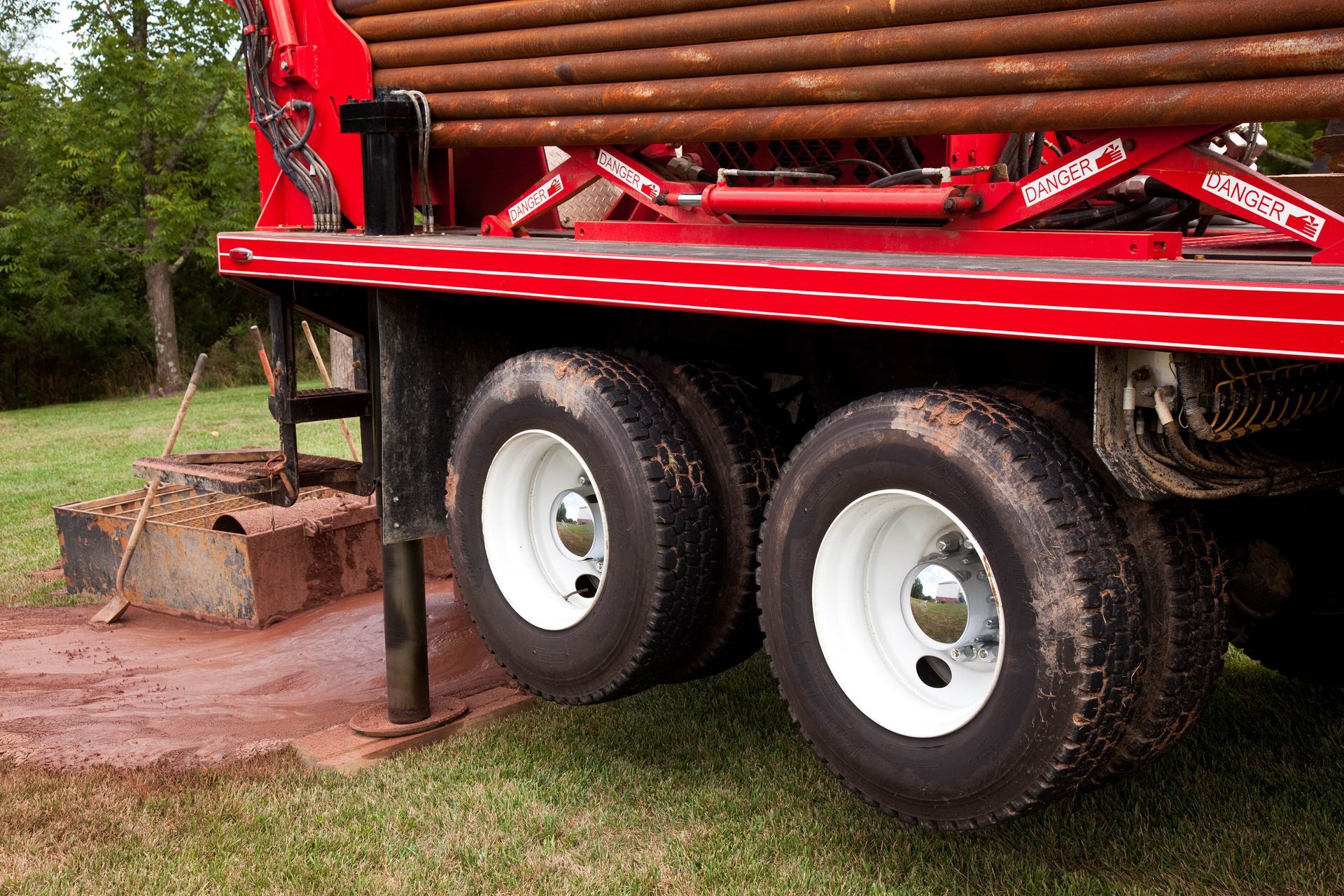
The field for water well drillers has seen remarkable technological advances over the years, significantly improving efficiency and safety. Modern drilling rigs are equipped with state-of-the-art technology that allows for precise positioning and control during drilling operations. Innovations such as rotary drilling methods and hydraulic fracturing enhance the rate of success in accessing water sources. Moreover, advanced materials and techniques contribute to longer lifespans of the well and less maintenance requirements. As a result, well drilling has become more accessible and practical for a wider range of applications.
Prioritizing Water Quality Testing
Water quality testing is an essential process that involves analyzing specific biological and chemical parameters to determine if water is safe for human consumption. Common indicators include pH levels, the presence of harmful bacteria like E. coli, concentrations of heavy metals such as lead or arsenic, and turbidity levels. Testing these various elements helps identify specific contamination sources and assess the overall safety of the water supply. Accurate and consistent testing procedures are crucial for maintaining public health and avoiding potential outbreaks of waterborne illnesses. By examining these parameters regularly, water quality can be monitored and managed effectively to maintain long-term safety for the community.
Contaminated water poses significant health risks, including the spread of waterborne diseases such as cholera, dysentery, and giardiasis. Long-term exposure to contaminated water can result in chronic health conditions, including neurological disorders and developmental issues in children. Addressing these risks involves not only preventive measures through quality testing but also responsive actions to mitigate contamination when it occurs. Maintaining safe standards in water quality is imperative for the health and well-being of communities relying on well water. Vigilant observation and corrective measures must be sustained to promote ongoing water safety.
Water quality testing employs a variety of procedures and methodologies to comprehensively evaluate water safety. Surface water and groundwater samples are collected, preserved, and analyzed using advanced laboratory equipment and accurate chemical reagents. The methods used must comply with established environmental guidelines and standards to obtain reliable and valid results. Technological advancements have streamlined these testing processes, allowing for quicker and more precise analyses. Regardless of the specific methodologies employed, consistent and regular testing is vital to detecting and addressing potential issues early on.
Uniting Drilling and Testing Teams
Effective collaboration between water well drillers and water quality testing teams is essential for both before and after well installation. During the initial stages, both teams work together to plan the well placement, accounting for geological surveys and the surrounding environment. After installation, regular communication enables prompt water quality testing, addressing potential risks or concerns. This coordination improves the success rate of well installations by preventing contamination and meeting health standards. By collaborating effectively during both phases, the quality and sustainability of water wells are significantly enhanced.
Combining the expertise of drillers and testers quickly addresses potential issues and streamlines the problem-solving process. An integrated approach allows for the swift identification of problems related to well construction or water contamination, facilitating timely interventions. Collaborative efforts benefit from the comprehensive understanding brought by both teams, leading to more effective solutions. These approaches also foster innovative strategies and improved methodologies to overcome challenges in well construction and maintenance. By leveraging each other’s strengths, teams can develop and implement more robust solutions for water well management.
Open and effective communication is pivotal in reaching quality outcomes between water well drillers and testing teams. Regular information exchange keeps all parties updated on progress, procedures, and results, fostering a proactive approach to quality assurance. Good communication practices help in early identification of potential issues, allowing for prompt and appropriate actions to avoid further complications. Establishing clear lines of communication also strengthens trust, collaboration, and effectiveness in achieving shared goals. Facilitating comprehensive communication from project inception through to completion is essential to the success of water well endeavors.
Balancing Economic and Environmental Factors
Conducting a thorough cost analysis is critical in evaluating the feasibility of water well systems, influencing decisions on installation and maintenance investments. Several factors influence water well costs, including site preparation, drilling depth, casing materials, and logistics. Additionally, ongoing operational costs and potential repair needs further contribute to the overall financial outlay. Balancing these costs with expected benefits, such as water availability and quality, is important to determine the optimal strategy for well development. Effective budget management enables the financial viability of water well projects throughout their lifespan.
Although water well systems provide valuable resources, they can also pose environmental challenges that necessitate careful mitigation strategies. Water well drillers may alter land use and disrupt ecosystems, requiring thoughtful planning to minimize ecological disturbances. Properly constructed wells reduce contamination risks to both the water supply and the surrounding environment, protecting natural resources. Implementation of sustainable practices, such as minimizing chemical use and recycling materials, further aids in reducing environmental footprints. These proactive efforts together ensure that water well systems can be both environmentally responsible and beneficial for human use.
Striking a balance between economic constraints and health standards is a key consideration when managing water well systems. While seeking to reduce costs is important, bringing about compliance with water safety regulations remains a priority for public health. Cost-effective solutions such as innovative technologies and best-practice methodologies can enhance well efficiency without compromising on health standards. Collaborating with experts in the field helps in finding practical strategies that balance these factors. Maintaining stringent water quality practices prevents cost savings from arriving at the expense of community well-being and safety.
Prioritizing both professional drilling techniques and consistent water quality testing creates a foundation for a dependable and safe water supply. This integrated approach allows homeowners to address potential contaminants early while maximizing the functional lifespan of their equipment. By investing in these essential services from water well drillers, you protect the health of your family and the long-term value of your property. Contact Dana's Wells for expert well installation, repair, and maintenance services that keep your water flowing safely and reliably.