May 20, 2026
The decision to secure an independent source of hydration for a residential or commercial property is a significant milestone. Many property owners weigh the benefits of municipal systems against the autonomy of a private system. While the initial process may seem complex, the long-term advantages of having a dedicated source are undeniable. This journey begins with the selection of a qualified professional who understands the geological and hydrological nuances of the local landscape. Engaging a seasoned water well driller ensures that the project moves from a conceptual plan to a functional reality with precision and safety.
Beyond the immediate convenience of on-site liquid resources, the move toward self-sufficiency offers a layer of security that public utilities cannot always guarantee. During times of infrastructure failure or supply contamination, a private system provides a reliable backup. The expertise required to tap into underground aquifers is extensive, involving sophisticated machinery and deep environmental knowledge. When a water well driller arrives on a property, they bring more than just equipment; they bring a specialized skillset designed to navigate the hidden complexities beneath the earth's surface.
Assessing Geological Site Conditions
The first phase of any successful extraction project involves a deep dive into the local terrain. A professional must determine the exact location of water-bearing rock or soil layers known as aquifers. This is not a matter of guesswork but a calculated scientific endeavor. Experts analyze soil samples and historical data to predict where the highest quality and quantity of liquid can be found. Without this initial assessment, the risk of a dry hole increases significantly, which can lead to wasted resources.
A skilled water well driller uses this data to decide on the best method for penetration. Whether the ground is composed of soft sand or dense granite, the approach must be tailored to ensure the integrity of the borehole. This phase also includes checking for potential sources of surface pollution that could leach into the supply. By identifying these variables early, the technician can design a system that bypasses shallow contaminants to reach the pristine layers below.
Utilizing Advanced Drilling Machinery
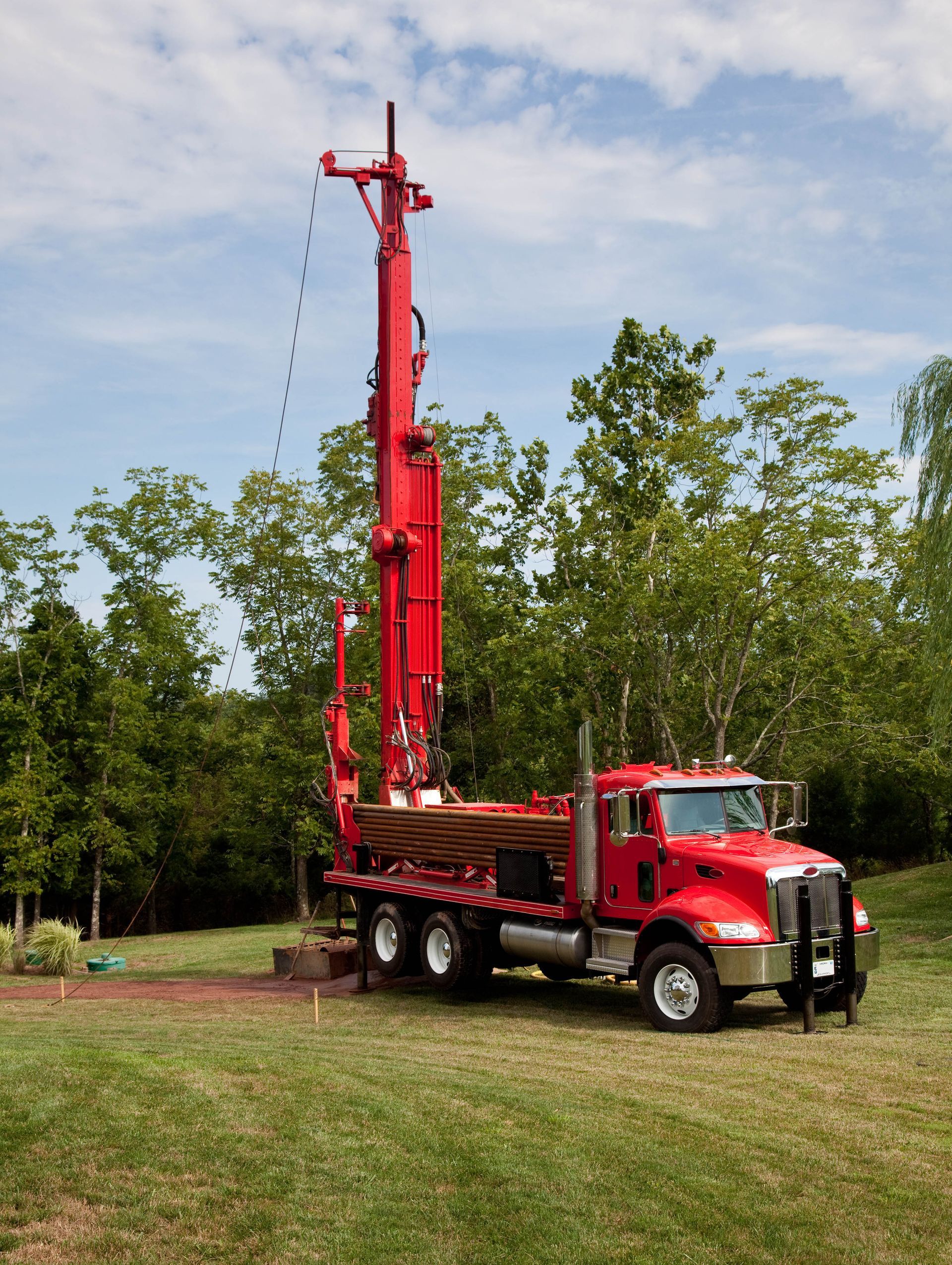
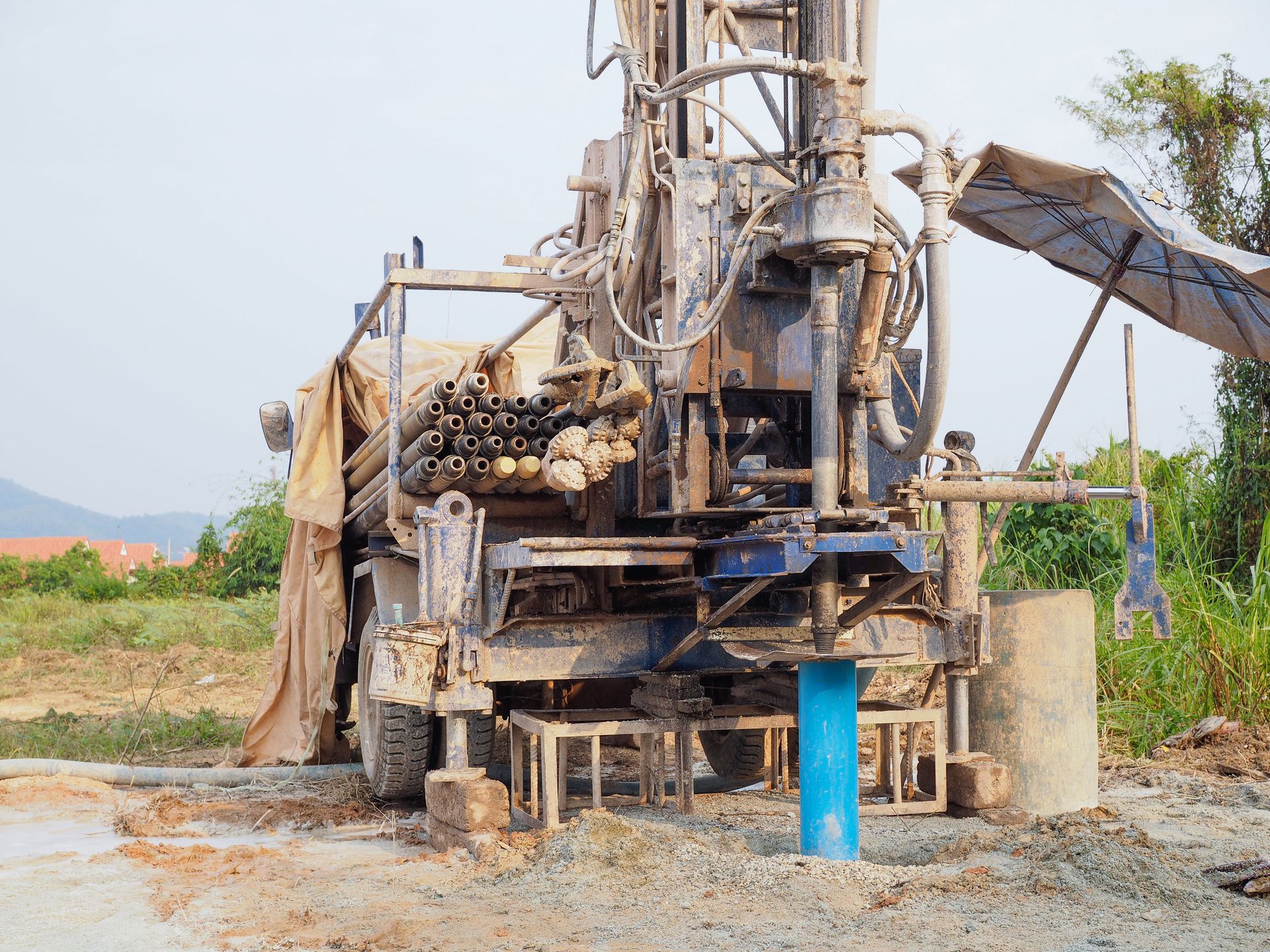
Modern extraction requires more than just manual labor; it necessitates the use of heavy-duty, specialized rigs capable of reaching significant depths. These machines are designed to exert immense pressure while maintaining a straight path through the subterranean layers. The choice of machinery often depends on the hardness of the rock and the expected depth of the finished shaft. Professionals are trained to operate these rigs safely, minimizing the impact on the surrounding landscape while maximizing efficiency.
The role of the water well driller during this stage is to monitor the progress of the bit and adjust the speed or pressure as needed. This constant oversight prevents mechanical failure and ensures that the walls of the shaft remain stable until the casing can be installed. This level of technical operation is far beyond the scope of a standard contractor, making the specialized professional an essential component of the investment.
- Rotary rigs for deep rock penetration.
- Auger systems for shallower, softer soils.
- Cable tool rigs for specific geological formations.
- High-pressure air systems to clear debris from the borehole.
Installing Durable Casing Systems
Once the desired depth is reached, the focus shifts to structural integrity. A borehole is essentially a vertical tunnel that would naturally collapse without reinforcement. The installation of a casing — typically made of high-strength plastic or steel — is what keeps the walls from caving in and prevents surface water from entering the supply. This barrier acts as the backbone of the entire system, ensuring that the liquid remains clean and the structure remains permanent.
The water well driller must precisely seal the space between the casing and the surrounding earth with a special grout. This process, known as decommissioning the annular space, is vital for protecting the aquifer from surface-level bacteria or chemicals. This step is a hallmark of professional work, as an improper seal is one of the leading causes of contamination in private systems. Proper installation at this stage guarantees the longevity of the source for decades.
Maximizing Long-Term Financial Value
Many people view the creation of a private source as a purely functional upgrade, but it is also a powerful financial move. Having an independent supply significantly increases the resale value of a property, particularly in rural or agricultural areas. Buyers often look for properties that are not tethered to rising municipal rates or seasonal usage restrictions. By investing in a professional installation, the owner is essentially pre-paying for their future liquid needs at a fixed cost.
The economic impact of this industry is substantial and continues to grow as more people seek independence. According to IBISWorld, in 2025, the U.S. water well drilling services market was valued at approximately $9.6 billion. This valuation reflects the widespread recognition that private systems are a cornerstone of modern property management. A water well driller helps the owner capitalize on this value by creating a system that is efficient, low-maintenance, and built to last through various economic cycles.
Ensuring Water Quality Standards
Health and safety are the most critical aspects of any liquid supply system. While municipal water is treated at a central plant, private systems require on-site filtration and monitoring. A professional does not simply leave once the hole is dug; they ensure that the liquid flowing from the tap is safe for consumption. This involves testing for minerals, bacteria, and other particulates that might be present in the deep earth.
- Testing for iron and manganese levels.
- Checking for the presence of coliform bacteria.
- Assessing the pH balance of the supply.
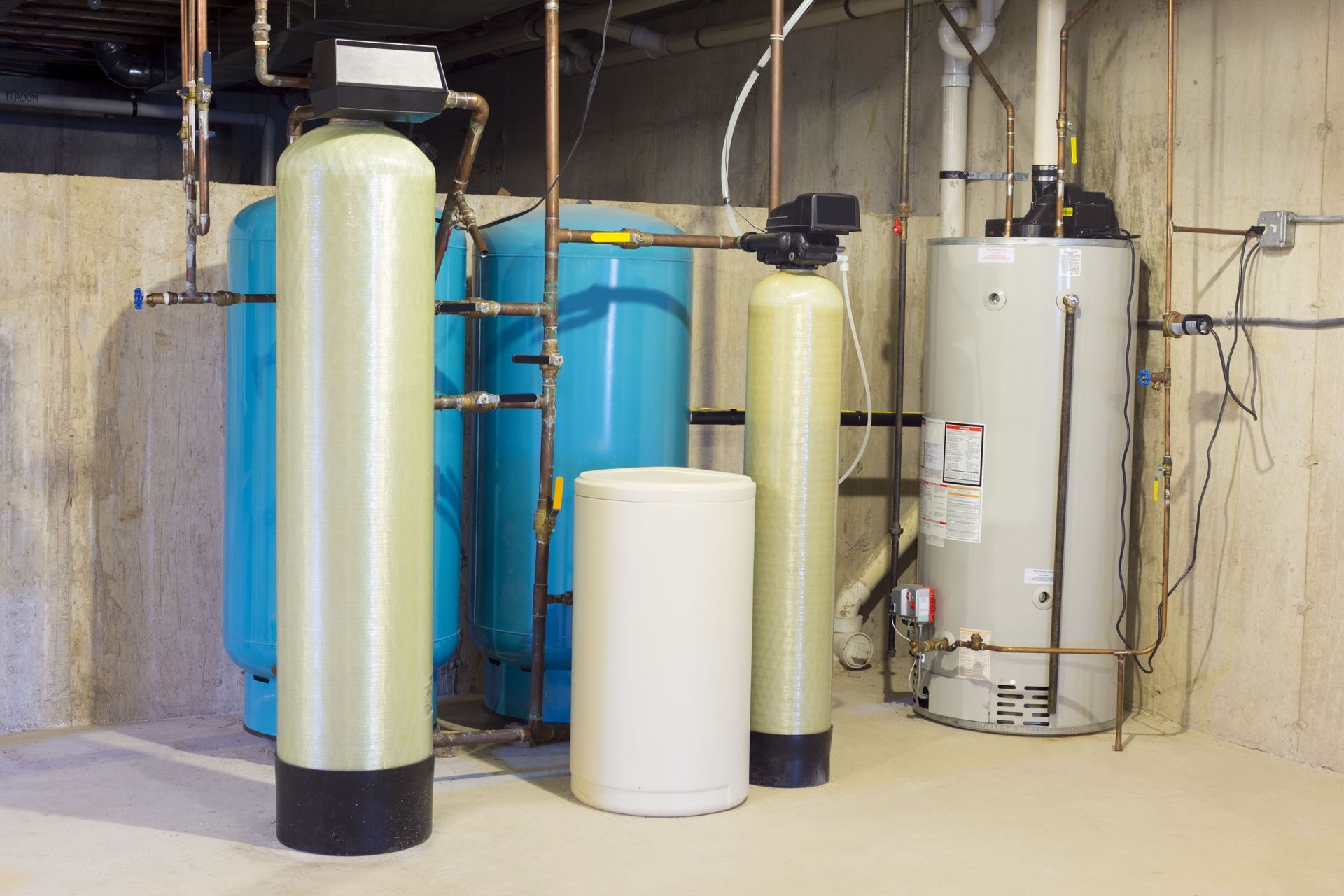
- Installing customized filtration or softening units.
By working with a certified water well driller, a property owner gains access to expert testing protocols. These professionals can recommend the exact treatment systems needed based on the specific chemistry of the local aquifer.
Maintaining System Efficiency Over Time
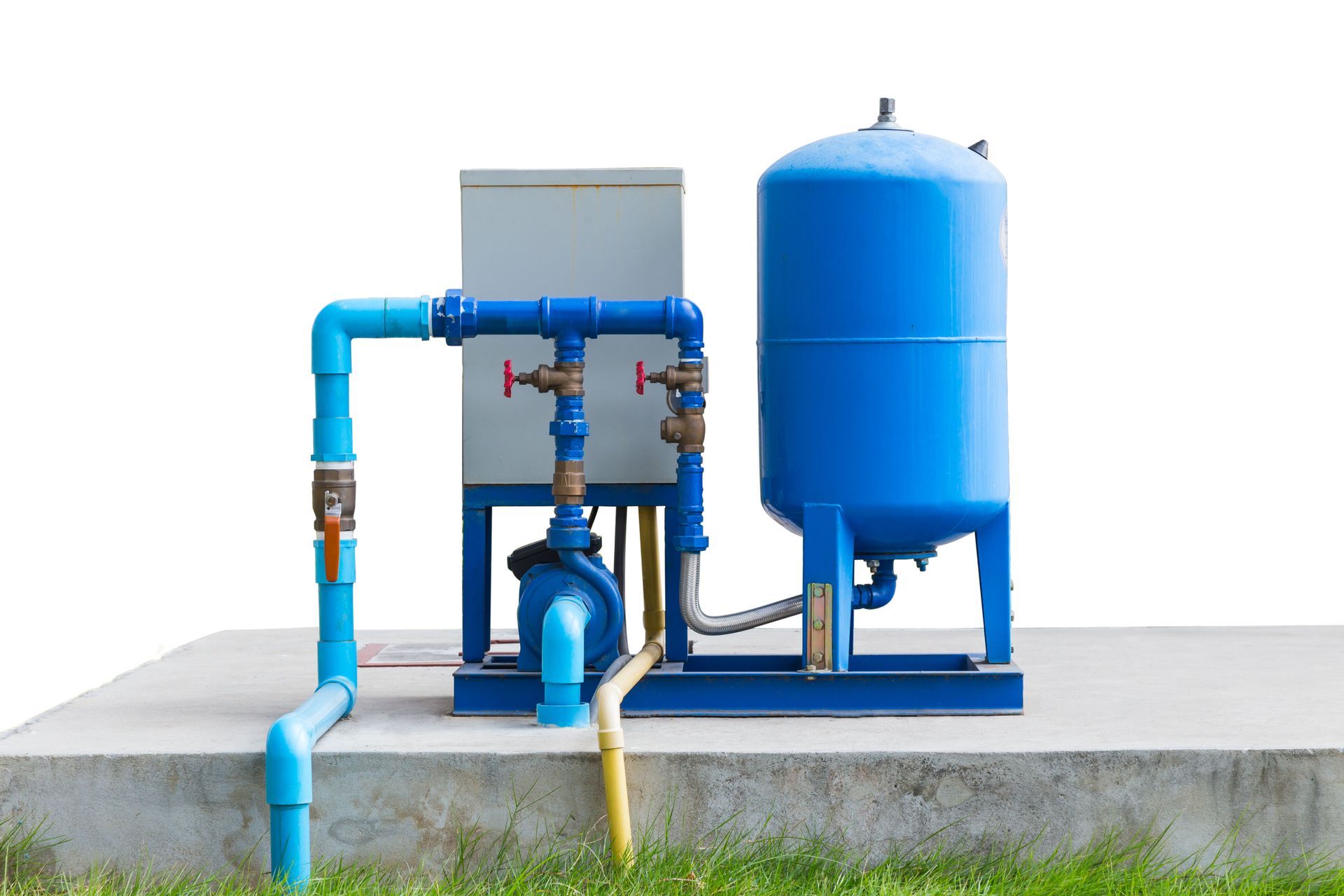
A well is a mechanical system that requires periodic attention to remain in peak condition. Over the years, pumps may need calibration, and screens may require cleaning to prevent the buildup of sediment. Professionals offer maintenance packages that take the guesswork out of system care. Regular inspections can identify small issues, such as a failing pressure tank or a worn seal, before they lead to a total loss of flow.
The relationship with a water well driller often extends long after the initial installation. They become the primary resource for emergency repairs and system upgrades. Because they have the original logs of the depth and geological layers of the site, they are uniquely qualified to troubleshoot any issues that arise. This ongoing partnership ensures that the investment remains functional and continues to provide a high return on the initial capital spent.
The journey to liquid independence is a transformative process for any property owner. It requires a blend of ancient geological knowledge and modern mechanical engineering. By choosing to work with experts, you are not just digging a hole; you are building a legacy of self-reliance and property value. The peace of mind that comes from knowing your supply is secure, clean, and entirely under your control is the ultimate reward for this smart investment.
If you're ready to take the next step toward a more sustainable and independent future, our team at Dana's Wells is here to guide you through every phase of the project with professionalism and care. Contact us today!