May 30, 2026
Securing a reliable, clean water supply for your property requires making informed engineering decisions before drilling ever begins. A residential water system is a complex network of pressure balances, mechanical lifts, and filtration loops that must work harmoniously to deliver consistent utility performance. When planning a new construction project or updating an old water source, selecting the correct mechanical lift mechanism is the most critical factor in guaranteeing long-term water pressure and system resilience. This comprehensive guide outlines the vital structural factors, depth calculations, and professional mechanics you must evaluate when coordinating your property's utility infrastructure.
The operational parameters of your water system are strictly dictated by the depth of your local water table and the geological layout of your land. Matching the mechanical design of your equipment to your specific subterranean environment ensures your system operates at peak efficiency without burning out components prematurely. According to the EPA, jet pumps are frequently used for shallow wells with a depth of 25 feet or less. This targeted technical standard emphasizes that well infrastructure cannot be approached with a one-size-fits-all mentality. Investing in a professional well pump installation means analyzing these exact parameters to ensure your property maintains consistent water pressure throughout the shifting seasons.
By understanding the clear operational differences between varying mechanical systems, you can avoid the high costs of premature equipment failure and frequent system maintenance. Professional water system specialists look past initial product pricing to evaluate the exact recovery rates of your water source, peak household demand, and total vertical lift requirements. Let's look closer at how strategic equipment matching optimizes daily utility performance, slashes monthly energy usage, and safeguards your household's primary water asset.
Furthermore, a deliberate and calculated system strategy forces property owners to evaluate their water needs through the objective lens of an environmental engineer. It encourages a shift from generic retail hardware options toward heavy-duty, professionally calibrated setups built for your specific geographic location. When a water system correctly balances internal motor horsepower with actual water table depths, the entire network runs under significantly less mechanical strain, dramatically extending the operational lifespan of your pressure tanks, check valves, and plumbing lines.
Ultimately, a premium installation project is an investment in resource management that guarantees your family's daily health and sanitation. Rather than leaving your water security to chance or relying on a subpar lift mechanism, professional engineering secures a continuous stream of water for your bathrooms, kitchens, and agricultural systems. This disciplined loop ensures your infrastructure actively satisfies your family's changing utility demands while serving as a durable, value-adding asset for your property's long-term market value.
Evaluating Subterranean Depths and Lift Configurations
The primary step in designing an efficient water delivery system involves mapping the precise vertical distance between the surface ground level and the dynamic water level inside your well. For shallow water tables, a surface-mounted jet pump works by using a venturi tube to create a vacuum, pulling water upward through suction. While these systems are highly accessible for routine inspections and basic maintenance, they are strictly limited by physical laws and cannot reliably lift water from depths greater than the standard atmospheric limit, making them ideal only for shallow applications.
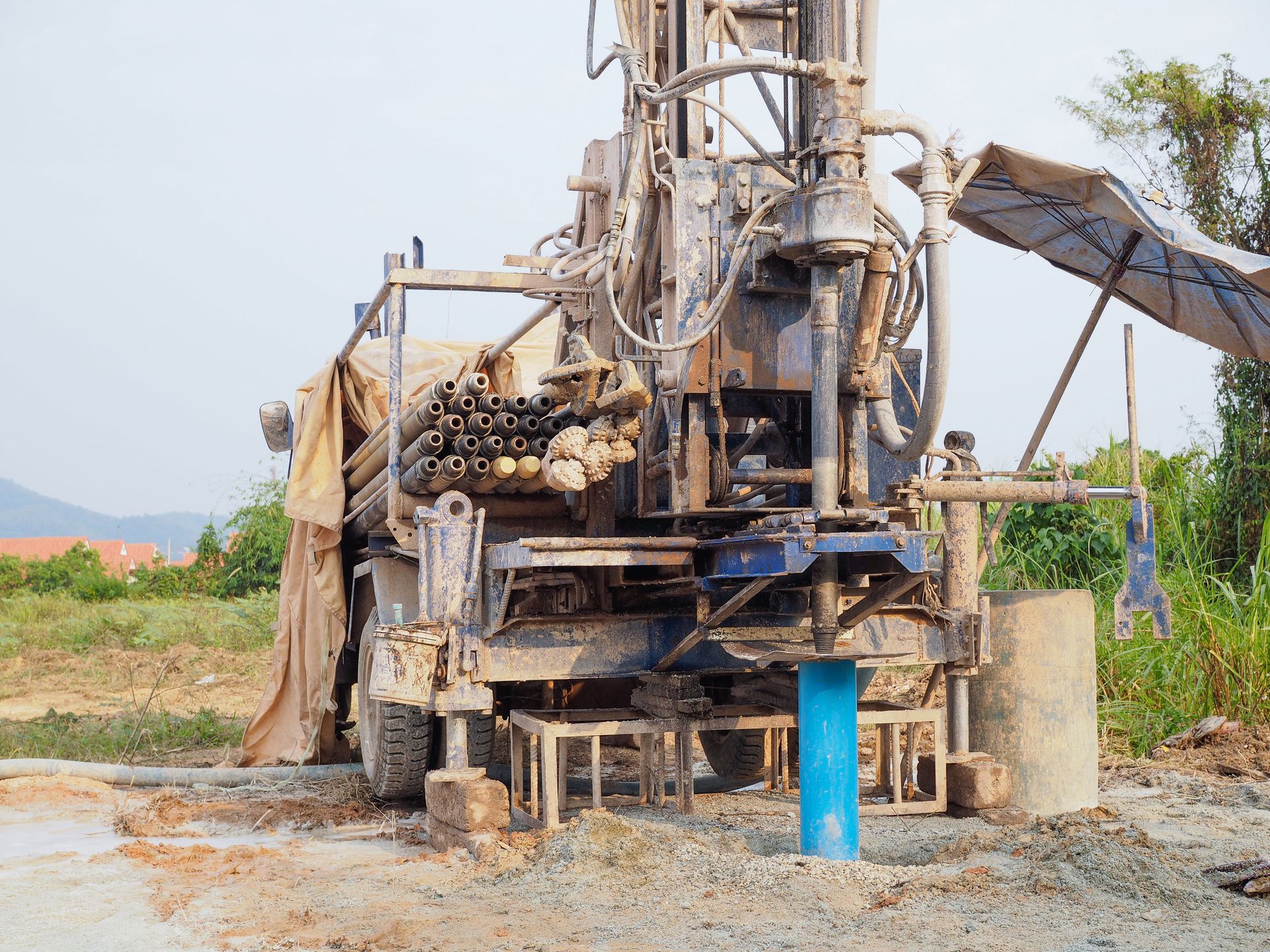
When your water table sits deep beneath layers of bedrock, the structural design must shift toward a heavy-duty submersible system. Submersible units feature a hermetically sealed motor and a multi-stage impeller assembly that is lowered directly into the water column, pushing the liquid upward rather than pulling it from above. Because pushing water requires significantly less energy over long distances than suction-based lifting, these sub-surface units provide incredible energy efficiency for deep applications, maintaining robust residential water pressure regardless of how far down the water table drops during dry spells.
Calibrating Flow Rates and Peak Household Demands
Optimizing your plumbing network requires a precise calculation of both the well's continuous yield and your family's maximum water usage during peak hours. A professional installer measures your source's recovery rate—the gallons per minute it can consistently supply—to ensure your mechanical hardware does not draw water faster than the subterranean aquifer can replenish itself. Running a pump dry causes immediate motor overheating, internal seal destruction, and total mechanical failure, leading to expensive emergency replacements.
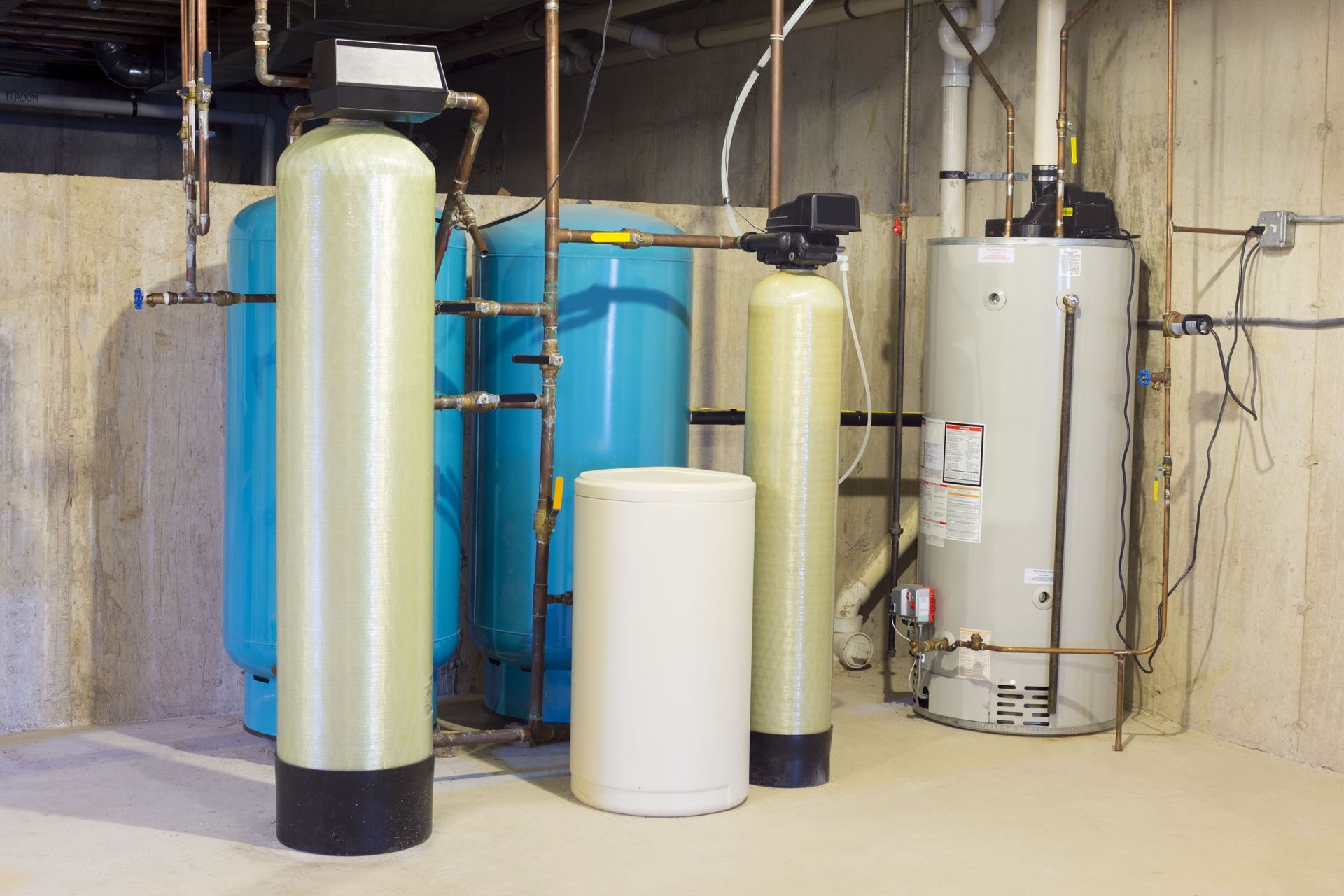
To balance this supply with daily usage, specialists evaluate your home's fixture count, calculating the total gallons required when multiple showers, washing machines, and outdoor irrigation zones run simultaneously. If your well's natural yield falls below your family's peak usage, professionals integrate heavy-duty storage tanks or variable frequency drive systems into the line. These advanced controllers adjust motor speeds in real time to match actual household water demands, maintaining perfectly uniform water pressure across every faucet while slashing your monthly electrical consumption.
Securing Electrical Grids and Eliminating Contamination Risks
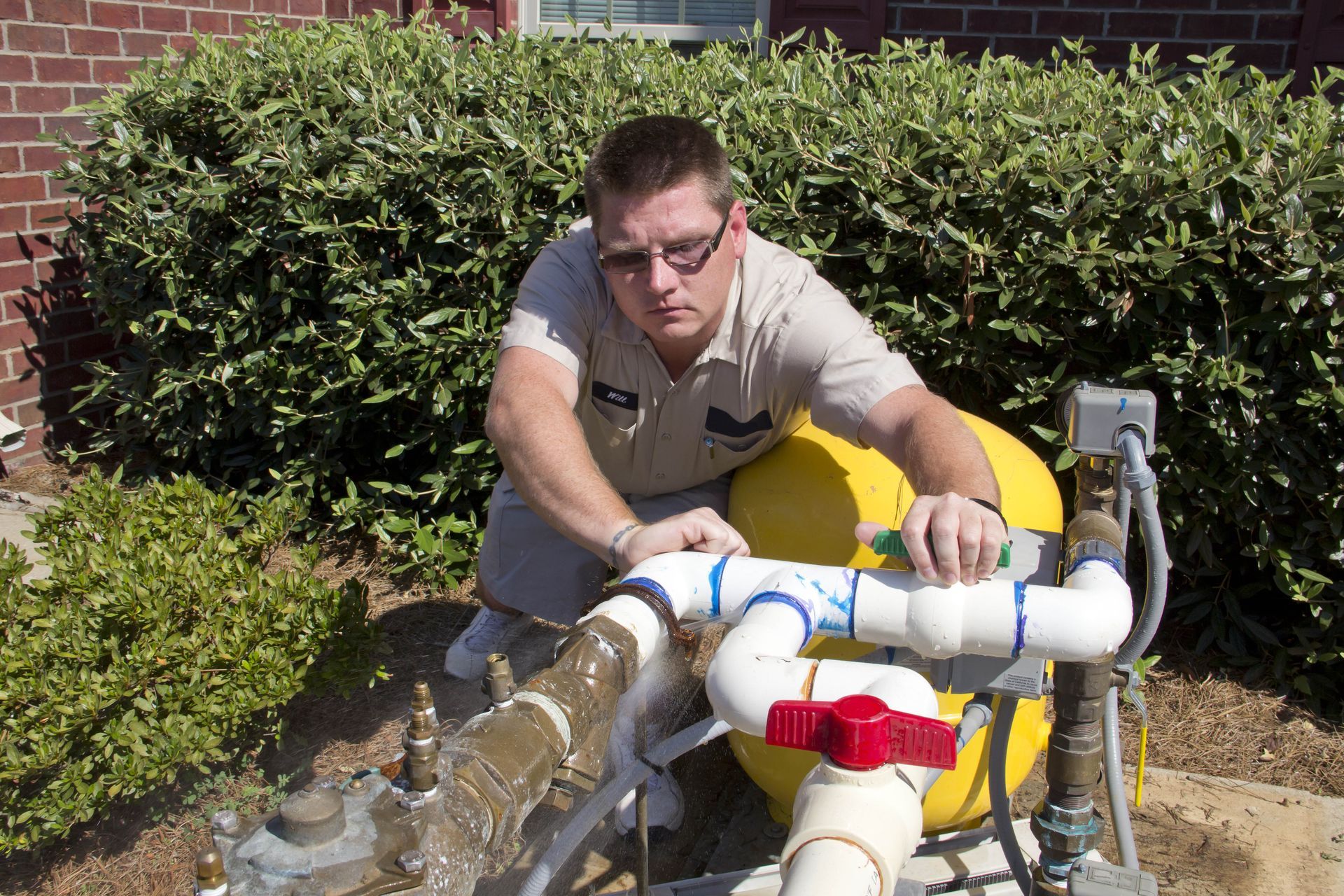
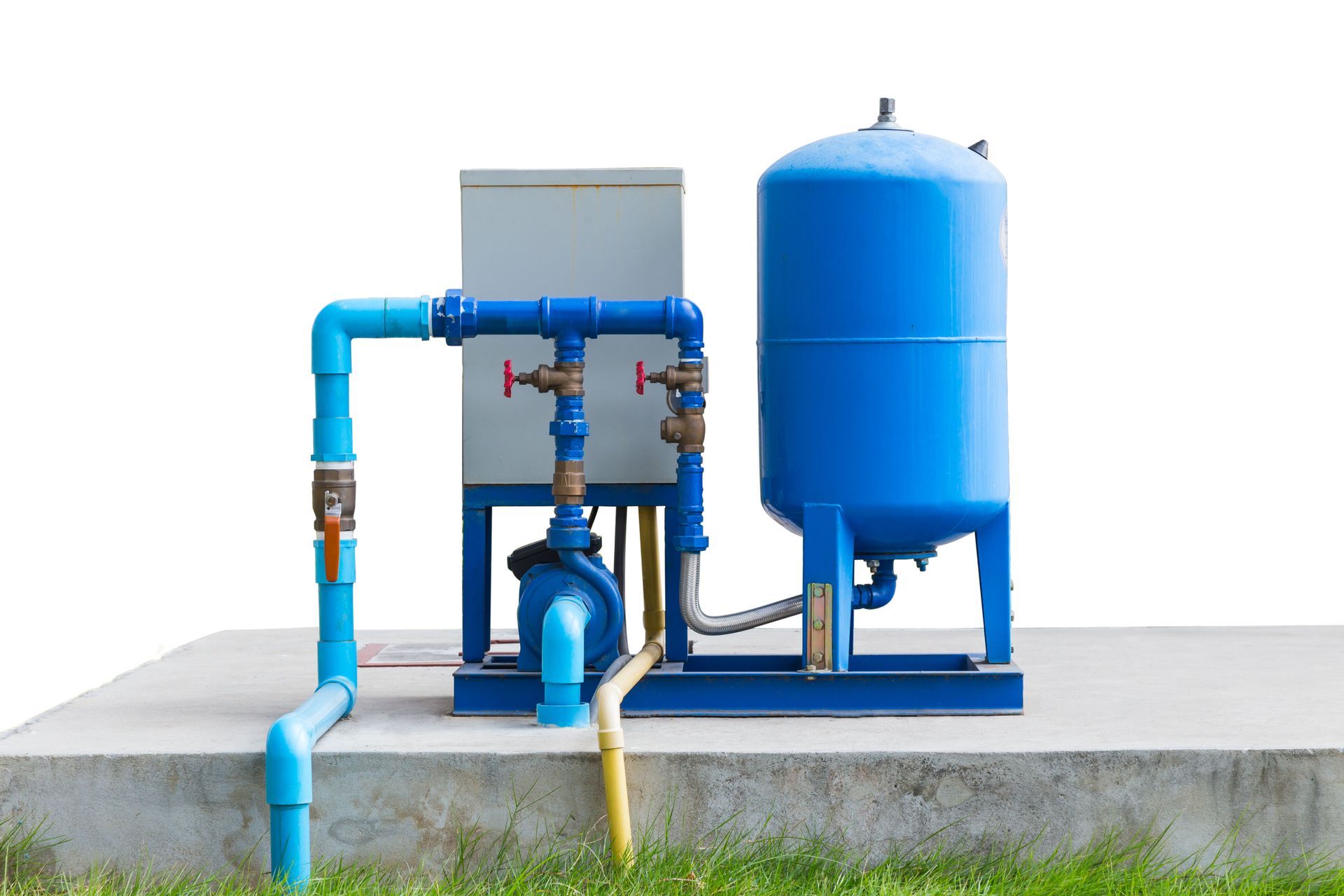
The mechanical success of a water utility setup relies entirely on code-compliant electrical wiring, heavy-duty pressure switches, and proper lightning protection. Because these systems handle high-voltage electricity in direct contact with water, the layout must be executed by licensed experts who integrate proper grounding lines and surge protectors into the control box. A certified technician ensures that your pressure switch is calibrated perfectly to your storage tank's bladder, preventing the motor from rapid-cycling, which is the leading cause of electrical burnout in residential systems.
Furthermore, protecting your drinking supply from environmental runoff and bacterial contamination requires strict adherence to local environmental health regulations. Professional well pump installation crews utilize heavy-duty sanitary well caps, vermin-proof conduits, and specialized pitless adapters to seal the top of your well casing against insects, surface water, and agricultural chemicals. Securing official municipal permits and passing local health inspections guarantees that your water line is completely safe, structurally sound, and compliant with residential safety standards, protecting your family's physical health and your property's legal status.
Maximizing your property's water security through a professional installation requires a careful balance of environmental testing and proven engineering strategies. By focusing your budget on the correct mechanical lift style for your specific depth, calibrating your motor capacity to match your well's natural recovery rate, and utilizing durable, code-compliant sealing materials, you turn a raw water source into a highly reliable asset. The strategic choices you make regarding horsepower ratings, plumbing layouts, and professional calibration will dictate how well your utility network performs under daily usage, making long-term durability just as important as initial setup costs.
Securing your home's water supply is a proactive process that relies heavily on accurate geological data, meticulous pressure planning, and transparent contractor relationships. Attempting to manage complex subterranean piping change outs without an experienced team can lead to project delays, ruined motors, and contaminated lines that diminish your property's foundational worth. Partnering with a trusted, certified service provider gives you total confidence that every phase of your water system project is executed with precision, safety, and full legal compliance.
Ultimately, a beautifully executed utility setup serves as a permanent enhancement to your daily lifestyle while anchoring your family's structural stability. By utilizing structured design consultations and collaborative construction management, you can easily avoid the stress and unpredictability of a disorganized utility build. Take the time to audit your property's environmental needs, establish a clear investment plan, and partner with a professional team that brings elite craftsmanship to every valve, pipe, and motor in your home. Visit Dana's Wells online today and discover how expert
well pump installation services can bring your outdoor vision to life.