June 9, 2026
Both individual homeowners and entire communities depend heavily on the safety and reliability of their water supply, making regular maintenance and testing an essential aspect of public health. With growing concerns over environmental pollutants and emerging contaminants, the need for rigorous water testing has become more critical than ever. By examining the importance of water well service and testing, we aim to provide comprehensive insights into preserving water quality.
Maintaining Regular Water Well Systems for Longevity
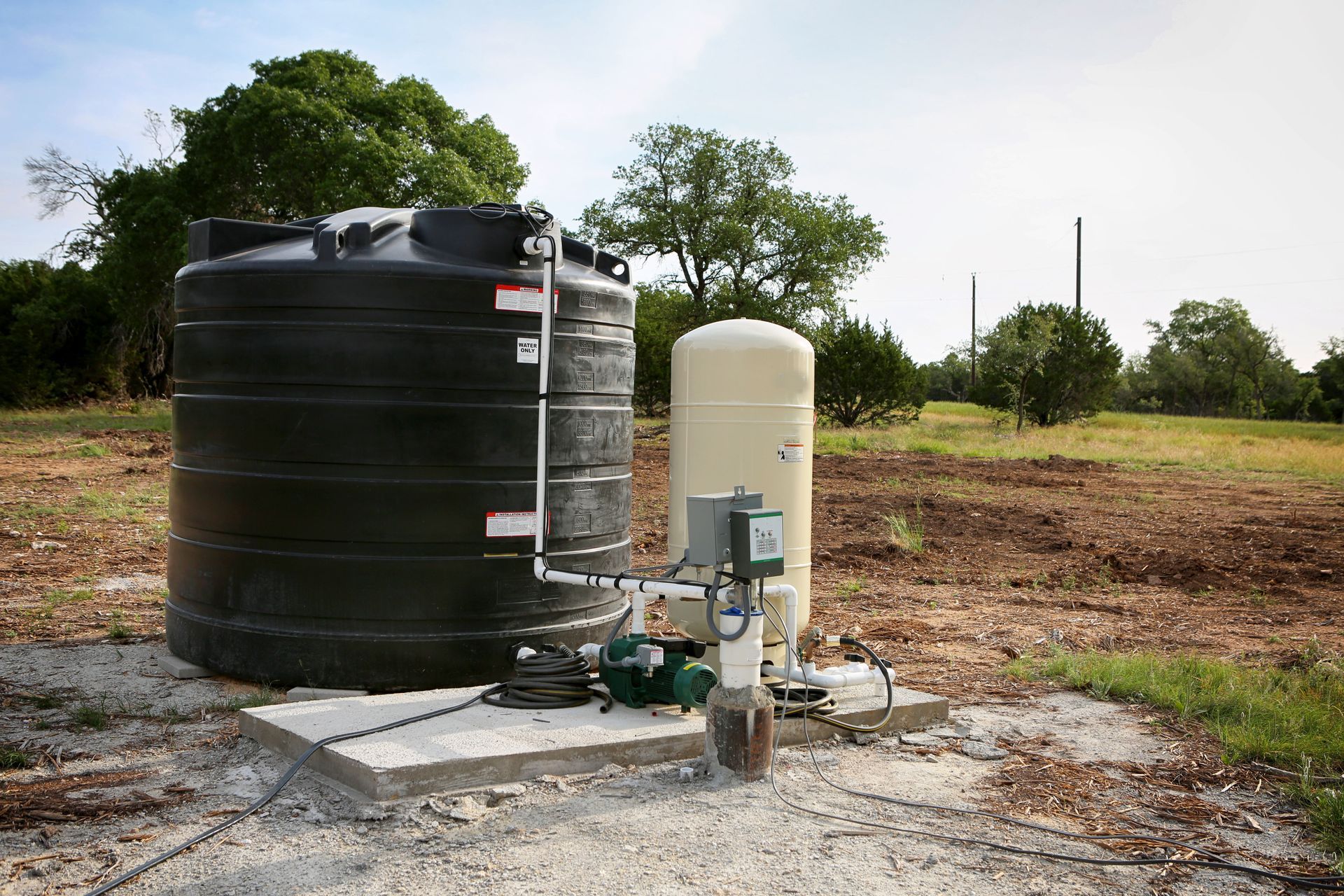
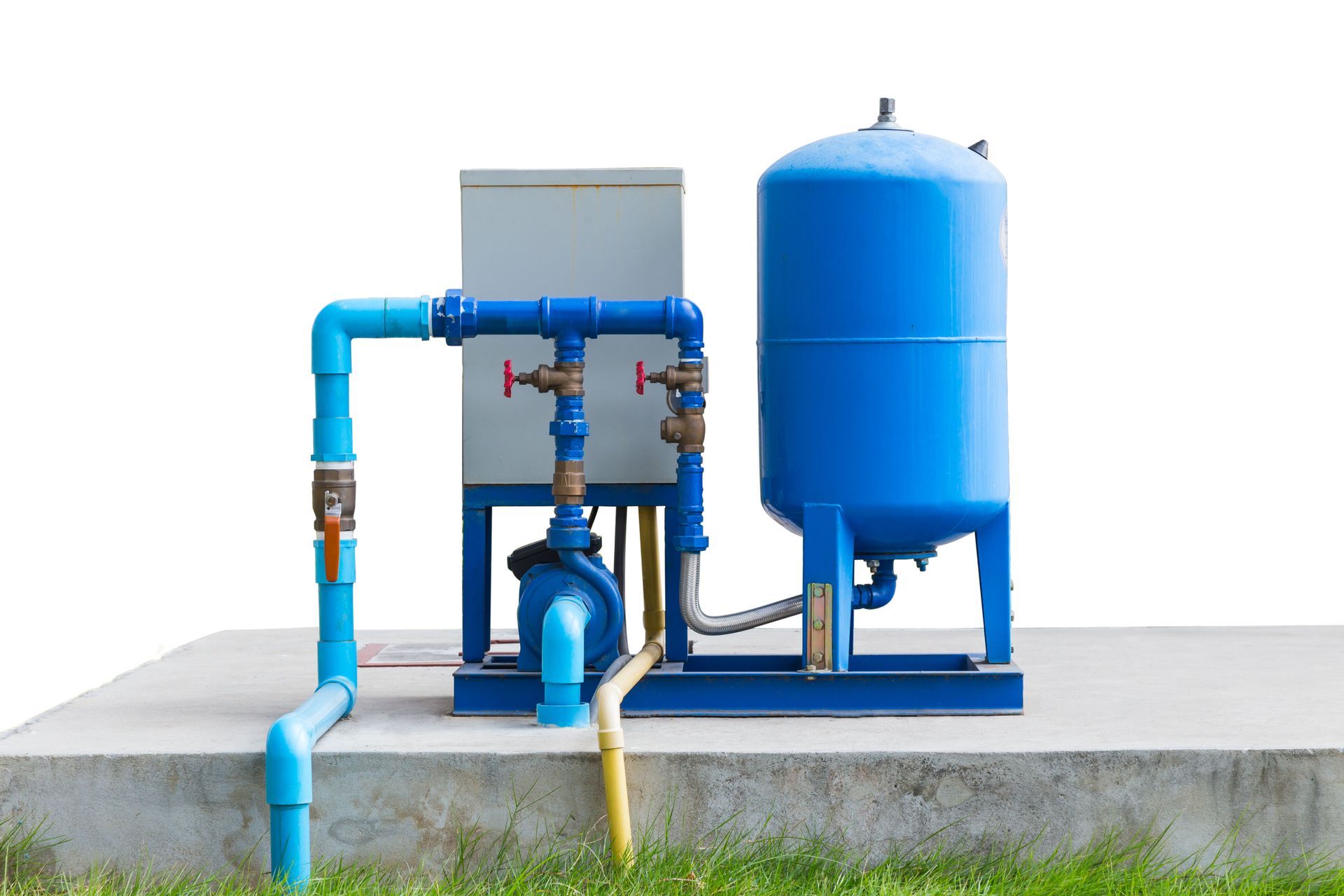
Regular water well maintenance is vital to ensure the longevity and efficiency of the well system. Preventative measures, when consistently adhered to, can prolong the lifespan of the well, keeping repair costs at bay. This involves routine inspections to identify minor issues before they escalate into significant problems. Ensuring that the components of the water well are functioning optimally can prevent long-term damage. By investing in regular maintenance, homeowners can save substantial sums on otherwise avoidable repairs while securing their water supply.
Identifying early warning signs of potential well issues is a key advantage of regular maintenance. Trained professionals can spot problems that might not be evident to the untrained eye, such as drops in water pressure or shifts in water clarity. Early detection of these signs allows for timely interventions that can prevent serious damage and contamination. Recognizing issues at an early stage not only saves money but also protects the household from consuming unsafe water. Regular check-ups serve as an essential health check for the well system, ensuring it operates smoothly.
Engaging in regular water well service offers several cost-effective solutions over the lifetime of the well. By preventing major breakdowns, the need for costly emergency interventions is minimized. Scheduled inspections and maintenance can be planned and budgeted, providing financial predictability. Furthermore, maintained wells often deliver better performance, ensuring that the entire water system runs efficiently, reducing energy costs.
Testing Water Quality To Identify Contaminants
Water quality testing is an essential process that helps determine the presence of harmful contaminants in a water supply. Key contaminants include bacteria, nitrates, heavy metals, and other toxins, each posing significant health risks. Testing for these substances ensures water is safe for consumption and everyday use. With the growing issue of groundwater contamination due to industrial activities, comprehensive testing for such contaminants has become more critical. According to Well Owner, pure water should have a pH of seven, which is neither acidic nor basic, but neutral, serving as an indicator of its quality.
The frequency of water quality testing can depend on several factors, such as local contamination risks and changes in the environment. It is generally recommended that water wells be tested at least once a year, but more frequent tests may be necessary following circumstances like flooding or land disturbances. Periodic testing ensures that the water quality indicators remain within acceptable standards. Regular monitoring helps spot trends and sudden changes in water quality, enabling timely interventions. Professionals can offer more specific guidance on testing frequency based on regional and well-specific conditions.
Avoiding Serious Health and Economic Risks
Neglecting regular water well service can lead to severe health hazards. Without maintenance and testing, contaminants can enter the water supply, posing risks such as gastrointestinal illness, neurological disorders, and reproductive health issues. Well water users must remain vigilant, as contamination often occurs without any noticeable changes in taste, smell, or appearance. Ignoring the need for well service can lead to cumulative exposure to harmful substances over time. Proactively maintaining water wells is necessary to mitigate the health impacts of consuming contaminated water.
Economic repercussions arise when water wells are not regularly maintained, leading to expensive repairs or replacements. When issues are ignored or unidentified, the cost to restore a well to good working order can escalate significantly. Emergency fixes or the installation of costly filtration systems may become necessary. Additionally, contamination can render water unusable, forcing users to rely on more expensive, often less convenient water sources. Investing in routine well services can prevent these unforeseen financial burdens, translating to long-term savings for well owners.
Environmental impacts are another risk of neglecting water well service, as poorly maintained wells can become conduits for contamination of local ecosystems. Groundwater pollution does not just affect the immediate user but can spread to nearby water bodies, impacting wildlife and plants. Over time, this can contribute to the degradation of entire aquatic ecosystems and affect the balance of biodiversity. It highlights the interconnectedness of water systems and why regular water well maintenance is crucial. Proactively managing wells helps protect the environment from the detrimental effects of contamination.
Implementing Technological Advances in Testing
The field of water testing has seen significant advancements in technology, enhancing the accuracy and reliability of results. New testing equipment allows for the detection of a broader range of contaminants at lower concentrations. Innovations such as portable testing kits and digital sensors make it easier for both professionals and laypersons to assess water quality promptly. Enhanced equipment often provides faster results, facilitating quicker response times to any issues identified. Embracing these technological advancements is essential for maintaining updated practices in water quality assessment.
Automation and remote monitoring have revolutionized how water testing is conducted. Utilizing IoT devices, sensors can now collect real-time data on water quality, transmitting results to centralized systems for analysis. This technology eliminates the need for constant manual testing and allows for continuous monitoring without significant resource expenditure. Remote systems can flag irregularities immediately, ensuring rapid response to potential contamination. Such technological integration promises greater efficiency and precision in maintaining water safety standards.
Improvements in testing methodologies and data analytics have significantly enhanced the accuracy of water quality reporting. Advanced software algorithms allow for precise interpretation of complex data sets, reducing human error in analysis. These improvements provide clearer, more detailed insights into water conditions, aiding both service providers and users in decision-making. Accurate reporting is imperative for convincing stakeholders about the necessary interventions to maintain water quality. Continued innovation in this area underscores the importance of integrating cutting-edge technology in environmental health initiatives.
Creating Routine Schedules for Homeowner Protection
For homeowners and communities, creating a comprehensive maintenance schedule is a crucial step towards ensuring water well longevity and safety. This involves setting regular intervals for inspections, cleanings, and repairs led by certified professionals. Establishing a routine provides predictability, preventing emergencies and promoting budget-friendly solutions. A well-documented schedule serves as a guide for all stakeholders, increasing accountability and facilitating continuity in water quality initiatives. Tailoring the schedule to specific needs and environmental factors ensures comprehensive and effective management.
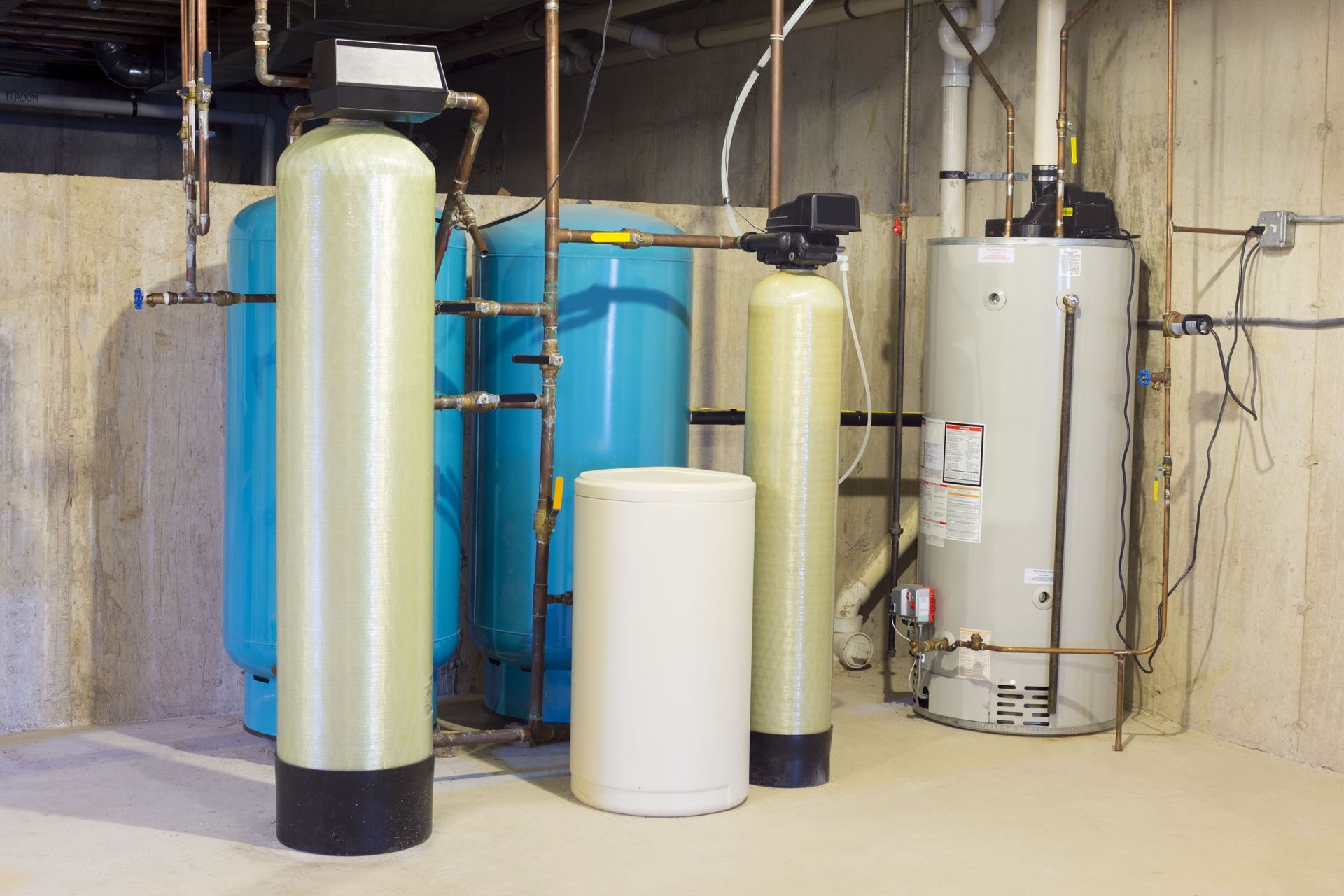
Choosing the right water testing kit is essential for accurate and meaningful results. Factors such as the type of potential contaminants, ease of use, and accuracy should guide the selection process. Homeowners must opt for kits that cover a broad range of tests, offering comprehensive insights into water quality. Selecting certified and recognized kits guarantees the reliability and trustworthiness of results. Professional guidance can further ensure that selected kits align with specific circumstances and environmental requirements.
Performing regular water well service and water testing is not just important but necessary to ensure the safety, reliability, and quality of water. An informed approach can prevent problems that might arise from neglect and ultimately safeguard public health and the environment. Homeowners and communities must acknowledge the interconnectedness of water systems and the implications of contamination. Adopting a proactive stance on water well maintenance is essential in mitigating risks and promoting sustainable practices. By integrating knowledge, technology, and skilled expertise, the goal of safe, reliable access to clean water becomes attainable for all. For more information about the services that we offer, reach out to our incredible team at Dana's Wells today!